Close Menu
  • Home
  • UNSUBSCRIBE
  • News
  • Lifestyle
  • Tech
  • Entertainment
  • Sports
  • Travel
Facebook X (Twitter) WhatsApp
Trending
  • What’s next for airlines and flight schedules now that the government is reopened
  • 2 million black ‘streaks’ on Mars finally have an explanation, solving 50-year mystery
  • Emily Damari describes children in cages during 471-day Hamas captivity
  • Best fitness tracker deal: Get the Garmin Fenix 8 for its lowest price yet
  • Premier League free transfers: Marc Guehi, Bernardo Silva and Ibrahima Konate could leave for free next summer | Football News
  • Bachelor Couples Update After Mel Owens, Peg Munson Finale
  • Colombia’s president lashes out at ‘barbarian’ Trump
  • New ‘Dragon Hatchling’ AI architecture modeled after the human brain could be a key step toward AGI, researchers claim
Facebook X (Twitter) WhatsApp
Baynard Media
  • Home
  • UNSUBSCRIBE
  • News
  • Lifestyle
  • Tech
  • Entertainment
  • Sports
  • Travel
Baynard Media
Home»Lifestyle»Thule snow goggles: 1,000-year-old Arctic eyewear carved from walrus tusks
Lifestyle

Thule snow goggles: 1,000-year-old Arctic eyewear carved from walrus tusks

EditorBy EditorFebruary 10, 2025No Comments2 Mins Read
Share Facebook Twitter Pinterest LinkedIn Tumblr Reddit Telegram Email
Share
Facebook Twitter LinkedIn Pinterest Email

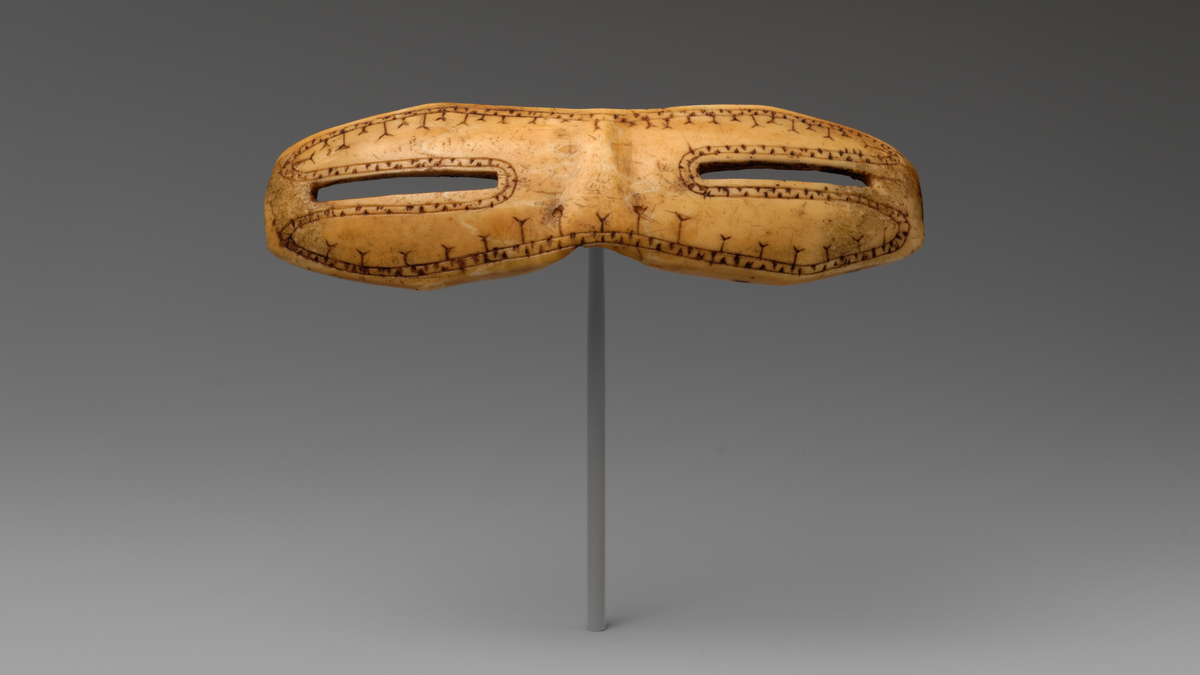
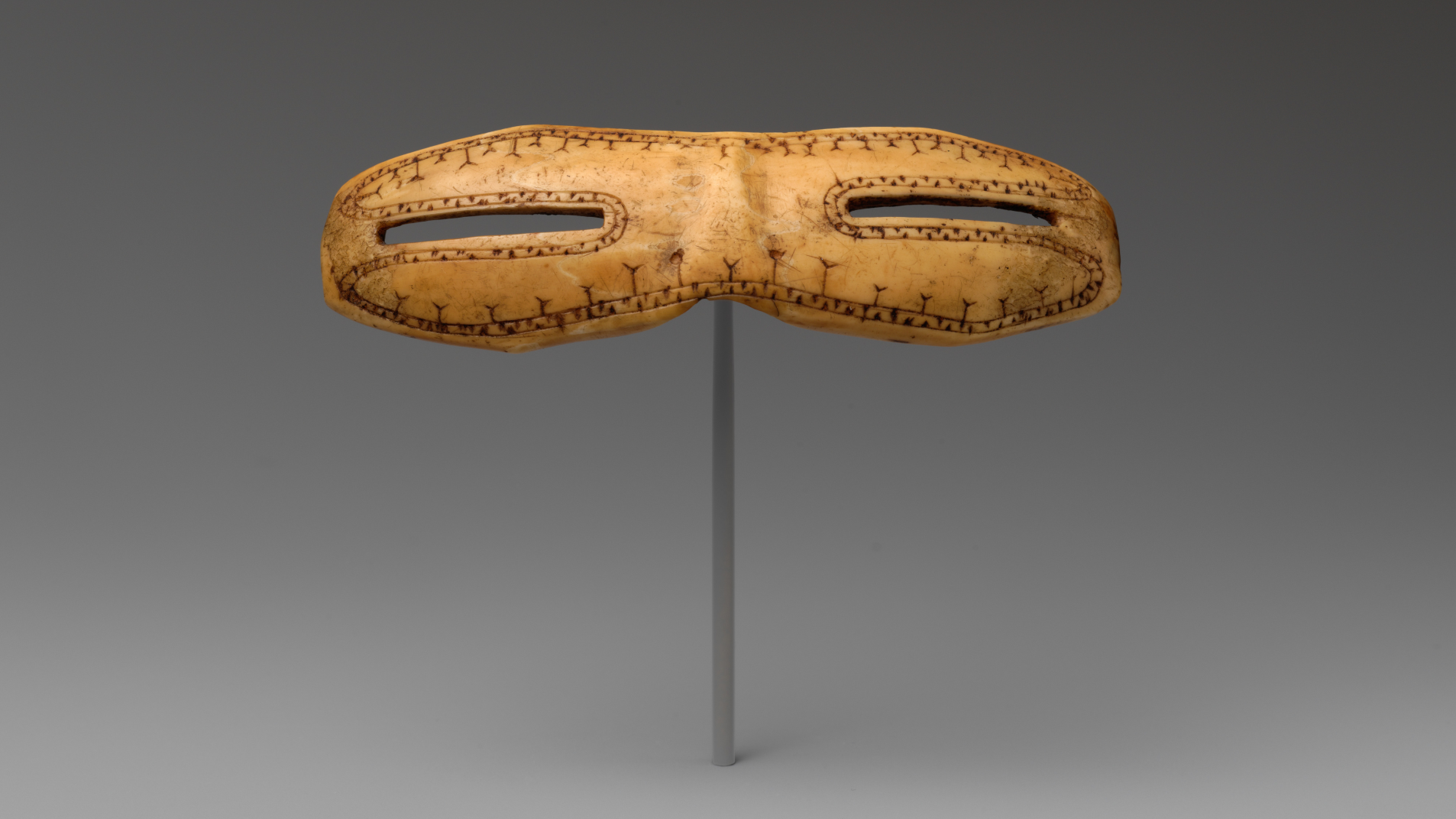
Name: Thule snow goggles

What it is: Eye protection carved from walrus ivory

Where it is from: Nunavut, Canada

When it was made: Circa 800 to 1200

Related: Dolní Věstonice Portrait Head: The oldest known human portrait in the world

What it tells us about the past:

These goggles, crafted by the Thule people who lived in Alaska and northern Canada around 800 to 1600, are a very early example of an accessory used to protect the eyes from Arctic snow and ice. In the Inuktitut language, the goggles are known as iggaak.

Get the world’s most fascinating discoveries delivered straight to your inbox.

Carved from walrus ivory, the goggles were made sometime between 800 and 1200. The eyewear measures 5 inches (12.7 centimeters) across and 1.1 inches (2.9 cm) tall, and it may have once had leather or sinew straps to affix it to someone’s face. This particular example was collected around 1930 by a Royal Canadian Mounted Police officer on north Baffin Island in the Nunavut territory, according to the Metropolitan Museum of Art in New York City, where the object is on display.

These snow goggles are easily identifiable by the wide and narrow eye slits, which functioned to shield the wearer from eyeball sunburns, as well as from the blowing ice and snow, while allowing a wide field of vision. They have been found throughout the Arctic, suggesting they are highly effective eye protection. This example is decorated with engravings of double lines, spikes and Y shapes, which were likely significant to the wearer.

MORE ASTONISHING ARTIFACTS

According to the University of Alaska Museum of the North, the Thule people are considered the ancestors of modern Inuit, and they perfected various Arctic adaptations, including hunting sea mammals, using dogs to pull sleds, and creating snowhouses or igloos. The Thule were proficient at sewing; they used animal skins to make tents and clothing. There is also evidence that the Thule traded with the Norse when they met around Baffin Bay, located between Baffin Island and Greenland.

Iggaak are often considered one of the earliest forms of protective eyewear in the world, dating back at least 1,200 years. Today, however, most Inuit wear contemporary sunglasses with polarized lenses instead of traditional snow goggles.

Source link

Share. Facebook Twitter Pinterest LinkedIn Tumblr Email
Previous ArticleNew Zealand concerns rise as Cook Islands plans to sign agreement with China
Next Article Best Apple iPad Mini deal: Save $100 at Best Buy
Editor
  • Website

Related Posts

Lifestyle

2 million black ‘streaks’ on Mars finally have an explanation, solving 50-year mystery

November 13, 2025
Lifestyle

New ‘Dragon Hatchling’ AI architecture modeled after the human brain could be a key step toward AGI, researchers claim

November 13, 2025
Lifestyle

Earth’s magnetic field has a weak spot — and it’s getting bigger, putting astronauts and satellites at risk

November 13, 2025
Add A Comment

Comments are closed.

Categories
  • Entertainment
  • Lifestyle
  • News
  • Sports
  • Tech
  • Travel
Recent Posts
  • What’s next for airlines and flight schedules now that the government is reopened
  • 2 million black ‘streaks’ on Mars finally have an explanation, solving 50-year mystery
  • Emily Damari describes children in cages during 471-day Hamas captivity
  • Best fitness tracker deal: Get the Garmin Fenix 8 for its lowest price yet
  • Premier League free transfers: Marc Guehi, Bernardo Silva and Ibrahima Konate could leave for free next summer | Football News
calendar
November 2025
M T W T F S S
 12
3456789
10111213141516
17181920212223
24252627282930
« Oct    
Recent Posts
  • What’s next for airlines and flight schedules now that the government is reopened
  • 2 million black ‘streaks’ on Mars finally have an explanation, solving 50-year mystery
  • Emily Damari describes children in cages during 471-day Hamas captivity
About

Welcome to Baynard Media, your trusted source for a diverse range of news and insights. We are committed to delivering timely, reliable, and thought-provoking content that keeps you informed
and inspired

Categories
  • Entertainment
  • Lifestyle
  • News
  • Sports
  • Tech
  • Travel
Facebook X (Twitter) Pinterest WhatsApp
  • Contact Us
  • About Us
  • Privacy Policy
  • Disclaimer
  • UNSUBSCRIBE
© 2025 copyrights reserved

Type above and press Enter to search. Press Esc to cancel.