Close Menu
  • Home
  • UNSUBSCRIBE
  • News
  • Lifestyle
  • Tech
  • Entertainment
  • Sports
  • Travel
Facebook X (Twitter) WhatsApp
Trending
  • Ancient process that created rare earth elements discovered — and it could help us locate desperately needed deposits
  • This humanoid robot does all your housework for you ‪—‬ and its makers say it’s ready for your home
  • ‘Nations need to prepare now’: Key Atlantic ocean current is much closer to collapse than scientists thought
  • Neanderthal toddlers grew faster than modern humans, probably because of the harsh environment they evolved in
  • NASA shuts off another Voyager 1 instrument as humanity’s most distant spacecraft prepares for risky ‘Big Bang’ maneuver to save power
  • Florida is facing its most intense drought in 15 years. Here’s how it got so bad and how long it will last.
  • New blood test aims to spot liver scarring when it’s still reversible and before it paves the way to cancer
  • ‘We’re the best servants anyone could dream of!’: AI superintelligence has no need to enslave humans because we’re already bowing to it
Facebook X (Twitter) WhatsApp
Baynard Media
  • Home
  • UNSUBSCRIBE
  • News
  • Lifestyle
  • Tech
  • Entertainment
  • Sports
  • Travel
Baynard Media
Home»Lifestyle»Giant phantom jelly: The 33-foot-long ocean giant that has babies out of its mouth
Lifestyle

Giant phantom jelly: The 33-foot-long ocean giant that has babies out of its mouth

EditorBy EditorJanuary 25, 2025No Comments3 Mins Read
Share Facebook Twitter Pinterest LinkedIn Tumblr Reddit Telegram Email
Share
Facebook Twitter LinkedIn Pinterest Email

Name: Giant phantom jelly (Stygiomedusa gigantea)

Where it lives: Every ocean except the Arctic Ocean

What it eats: Plankton and small fish

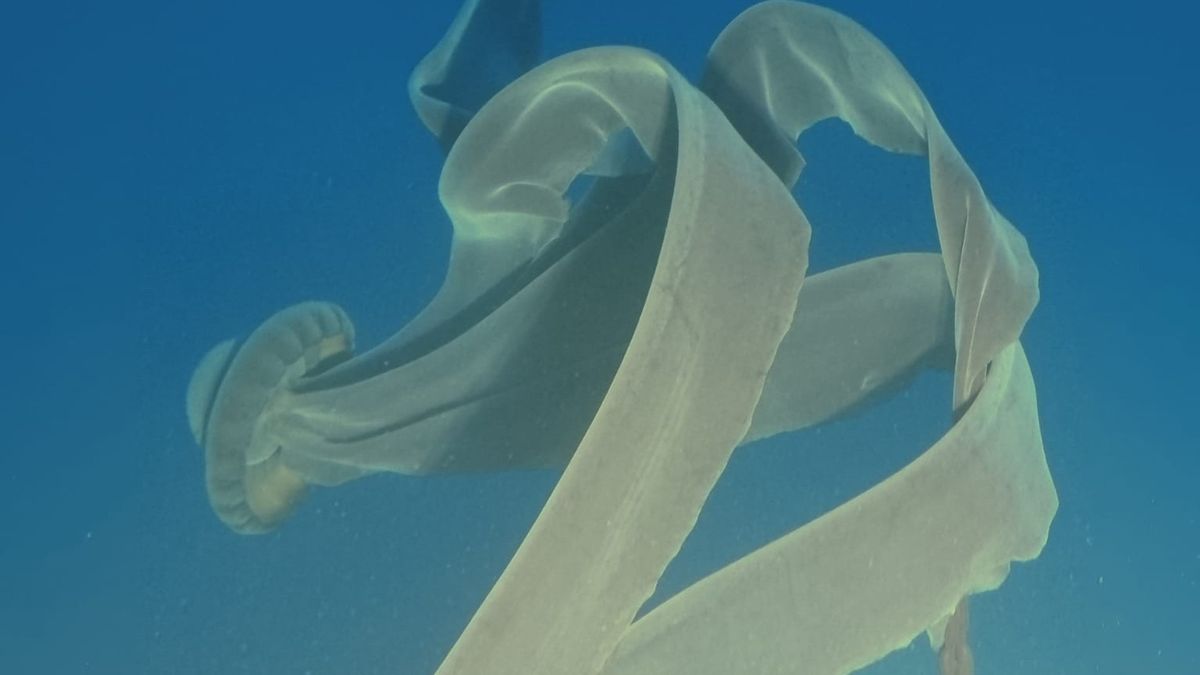
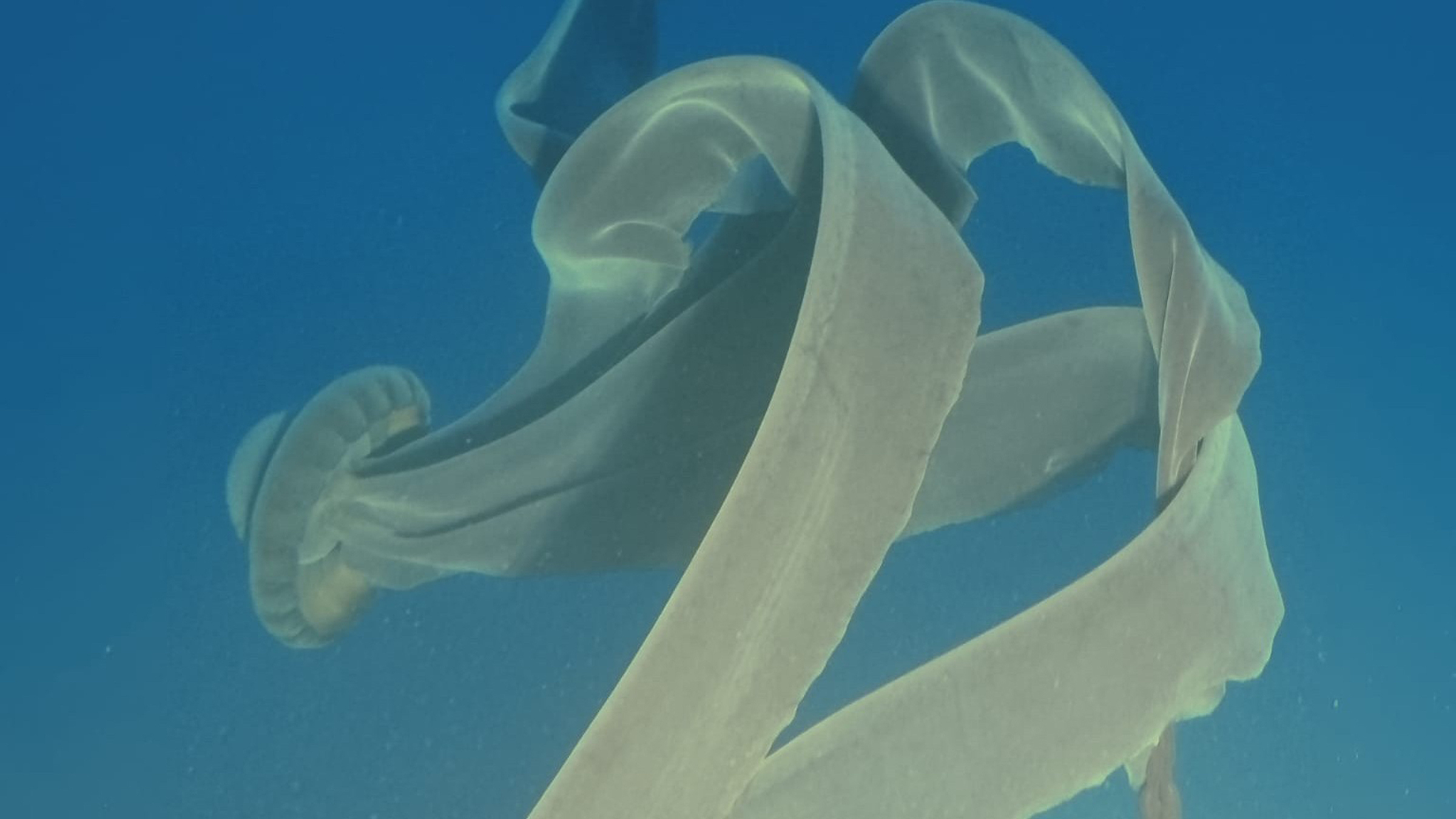
Why it’s awesome: Earth’s oceans are home to many secretive and unusual creatures that humans rarely see — including giant phantom jellies. These elusive deep-sea creatures have a 3.3-foot-wide (1 meter) bell and four ribbon-like arms that grow up to 33 feet (10 m) long, making them among the largest invertebrate predators in the ocean.

The first giant phantom jelly specimen was collected in 1899 and described in 1910. The species has only been spotted around 120 times since. This is because these jellies generally live in deep waters, down as far as 22,000 feet (6,700 m) below the surface.

They have compressible, squashable bodies, which help them to survive the incredibly high pressures they experience at these depths.

In 2022, researchers observed giant phantom jellies on three separate occasions during submersible expeditions in Antarctica, with videos and images showing the creatures swimming at relatively shallow depths of between 260 and 920 feet (80 to 280 m). In a study reporting the sightings, researchers said it’s likely the jellies live closer to the surface in high southern latitudes because seasonal variations in sunlight may drive prey closer to the surface.

Get the world’s most fascinating discoveries delivered straight to your inbox.

Unlike other jellyfish, giant phantom jellies don’t have stinging tentacles to catch prey. Instead, they wrap their arms around their food — usually plankton or small fish — and hoist them into their mouths.

Related: Newly discovered jellyfish is a 24-eyed weirdo related to the world’s most venomous marine creature

Giant phantom jellies also differ from other jellyfish by being viviparous, meaning they give birth to live young. The young develop inside the mother before detaching from inside the hood and swimming out of their mother’s mouth.

When there is visible light, giant phantom jellies emit a slight orange-red light via bioluminescence — meaning they produce light through natural chemical reactions. It’s not known exactly why they glow, but researchers believe it could be to communicate, confuse predators, lure prey or attract potential mates. However, because these jellies live in the deep ocean — where red light cannot penetrate very far — their glow is very faint, which likely helps to keep them hidden.

These jellyfish are solo explorers, but they also appear to help to protect smaller sea creatures. During an expedition in the Gulf of California, researchers from the Monterey Bay Aquarium Research Institute spotted small fish, pelagic brotula (Thalassobathia pelagica) sheltering underneath a giant phantom jelly. In return, the fish aided the jelly by removing parasites.

Source link

Share. Facebook Twitter Pinterest LinkedIn Tumblr Email
Previous ArticleThese Cupid-Approved V-Day Fits From J.Crew’s Sale Are All Under $100
Next Article Office 2019 for life | Mashable
Editor
  • Website

Related Posts

Lifestyle

Ancient process that created rare earth elements discovered — and it could help us locate desperately needed deposits

April 22, 2026
Lifestyle

This humanoid robot does all your housework for you ‪—‬ and its makers say it’s ready for your home

April 22, 2026
Lifestyle

‘Nations need to prepare now’: Key Atlantic ocean current is much closer to collapse than scientists thought

April 22, 2026
Add A Comment

Comments are closed.

Categories
  • Entertainment
  • Lifestyle
  • News
  • Sports
  • Tech
  • Travel
Recent Posts
  • Ancient process that created rare earth elements discovered — and it could help us locate desperately needed deposits
  • This humanoid robot does all your housework for you ‪—‬ and its makers say it’s ready for your home
  • ‘Nations need to prepare now’: Key Atlantic ocean current is much closer to collapse than scientists thought
  • Neanderthal toddlers grew faster than modern humans, probably because of the harsh environment they evolved in
  • NASA shuts off another Voyager 1 instrument as humanity’s most distant spacecraft prepares for risky ‘Big Bang’ maneuver to save power
calendar
April 2026
M T W T F S S
 12345
6789101112
13141516171819
20212223242526
27282930  
« Mar    
Recent Posts
  • Ancient process that created rare earth elements discovered — and it could help us locate desperately needed deposits
  • This humanoid robot does all your housework for you ‪—‬ and its makers say it’s ready for your home
  • ‘Nations need to prepare now’: Key Atlantic ocean current is much closer to collapse than scientists thought
About

Welcome to Baynard Media, your trusted source for a diverse range of news and insights. We are committed to delivering timely, reliable, and thought-provoking content that keeps you informed
and inspired

Categories
  • Entertainment
  • Lifestyle
  • News
  • Sports
  • Tech
  • Travel
Facebook X (Twitter) Pinterest WhatsApp
  • Contact Us
  • About Us
  • Privacy Policy
  • Disclaimer
  • UNSUBSCRIBE
© 2026 copyrights reserved

Type above and press Enter to search. Press Esc to cancel.