Close Menu
  • Home
  • UNSUBSCRIBE
  • News
  • Lifestyle
  • Tech
  • Entertainment
  • Sports
  • Travel
Facebook X (Twitter) WhatsApp
Trending
  • ‘Strong, undeniable public examples of something positive’: Astronaut Chris Hadfield on why Artemis II hit him hard, the importance of spaceflight, and why we need to send a guitar to the moon
  • Artemis II heat shield aced its blistering reentry, ghostly underwater photo reveals
  • Scientists invent artificial neurons that ‘talk’ to real brain cells, paving way to better brain implants
  • Meet AGI CPU — a specialist processor that engineers believe will power the next wave of AI
  • Earth quiz: What do you know about our planet’s most amazing features?
  • Watch an AI-powered table tennis robot beat elite players
  • Oil spills from Iran war may contaminate water and food supply and threaten protected wildlife refuge
  • Egyptian mummy has part of the ‘Iliad’ in its abdomen, archaeologists discover
Facebook X (Twitter) WhatsApp
Baynard Media
  • Home
  • UNSUBSCRIBE
  • News
  • Lifestyle
  • Tech
  • Entertainment
  • Sports
  • Travel
Baynard Media
Home»Lifestyle»Geminid meteor shower 2024: How to see the year’s last big display of ‘shooting stars’ before it’s too late
Lifestyle

Geminid meteor shower 2024: How to see the year’s last big display of ‘shooting stars’ before it’s too late

EditorBy EditorDecember 4, 2024No Comments3 Mins Read
Share Facebook Twitter Pinterest LinkedIn Tumblr Reddit Telegram Email
Share
Facebook Twitter LinkedIn Pinterest Email

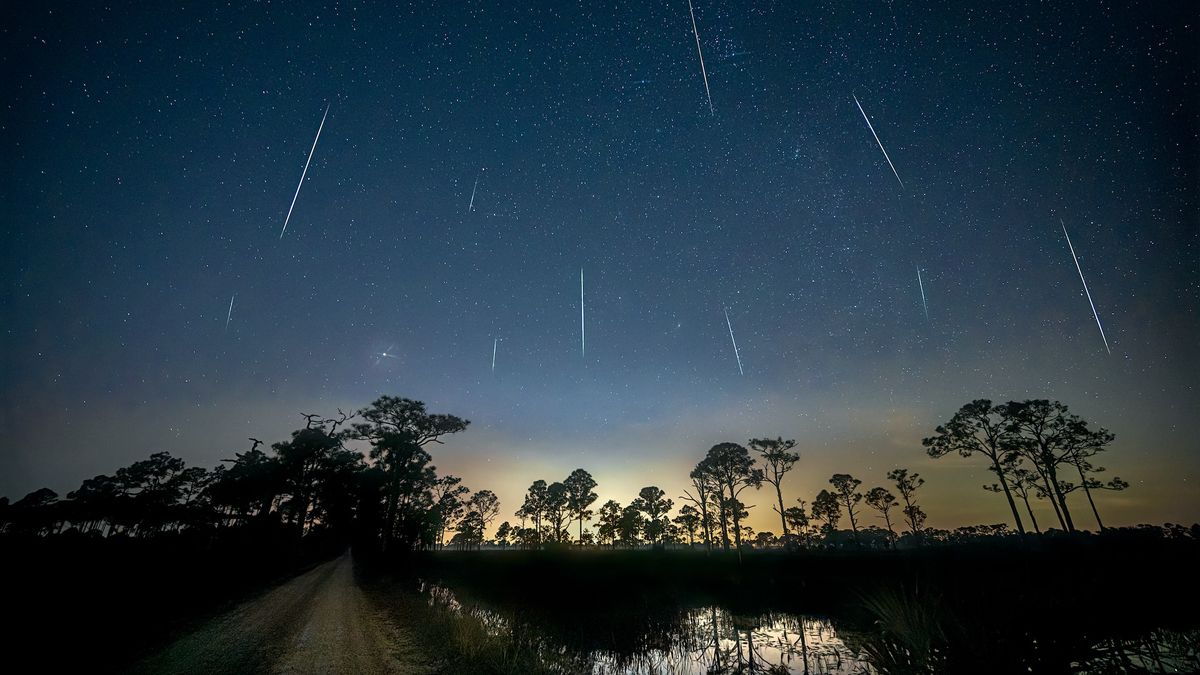
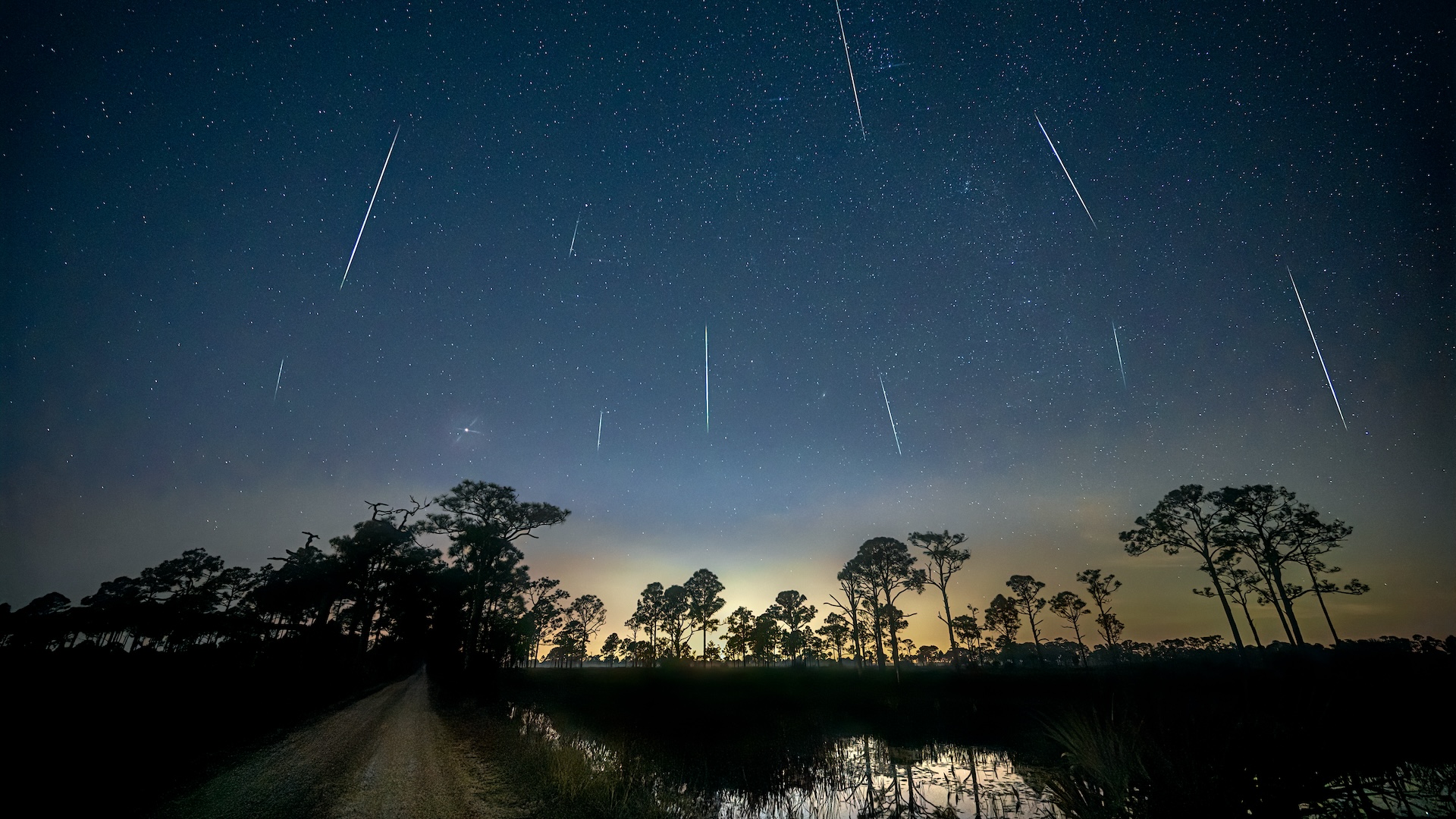
The most prolific meteor shower of the year, the Geminids, will peak overnight on Friday and Saturday (Dec. 13 and 14). The only annual meteor shower that scientists know for sure is caused by an asteroid rather than a comet, the Geminids meteor shower’s peak night will this year be somewhat dampened by the appearance of a near-full moon.

With December’s full moon, the “Cold Moon,” rising on Sunday, Dec. 15, it will already be above the horizon and shining brightly as the sun sets on Dec. 13. Skywatchers are unlikely to see as many of the (up to) 120 shooting stars per hour during the peak that many hope for — but this is still an event to be outside for around midnight.

For the best view, find a spot as far from artificial lights as possible, turn your back to the moon, and look up while allowing your eyes to adjust to the darkness. Meteor showers are best viewed with the naked eye; no skywatching binoculars or backyard telescopes necessary. (Due to the moon’s bright glow, extensive travel for this shower is not advised.)

The strongest meteor shower of the year in the Northern Hemisphere, the Geminids are often bright and intensely colored, according to the American Meteor Society. Active from Monday, Dec. 2 to Saturday, Dec. 21, the Geminids tend to be yellow, according to NASA, but may also be white and green.

Related: The Geminid meteors may be 10 times older than we thought, simulations of oddball asteroid Phaethon suggest

The Geminids are caused by 3200 Phaethon, which is thought to be an asteroid. Each December, Earth crosses the asteroid’s path; debris left in the wake of the asteroid tumbles through Earth’s atmosphere, heating up and producing “shooting stars,” or meteors. Discovered in 1982, asteroid Phaethon orbits the sun every 1.4 Earth years and displays a comet-like tail for a few days when the asteroid passes closest to the sun. That’s unusual; asteroids, which are mostly rocky, do not typically form tails when they get close to the sun.

Research published in 2023 revealed that sodium gas is released from the minerals in 3200 Phaethon while carbon dioxide and water vapor cause enough pressure to lift small dust particles from its surface. Together, these two processes form its tail.

Get the world’s most fascinating discoveries delivered straight to your inbox.

As the Geminids peak this year, 2024’s final meteor shower will also be getting underway. The Ursids, which appear to come from Ursa Major — most famous for its shape of stars called the Big Dipper — runs from Friday, Dec. 13 through Tuesday, Dec. 24, peaking overnight on Saturday, Dec. 21 and Sunday, Dec. 22, when 5-10 shooting stars may be seen in darker night skies. On that peak night, the year’s last quarter moon will rise after midnight.

Source link

Share. Facebook Twitter Pinterest LinkedIn Tumblr Email
Previous ArticleSmiling Hunter Biden seen in first photos since receiving presidential pardon
Next Article Evangelos Marinakis exclusive: Nottingham Forest owner talks VAR, ambition, multi-club structure and more | Football News
Editor
  • Website

Related Posts

Lifestyle

‘Strong, undeniable public examples of something positive’: Astronaut Chris Hadfield on why Artemis II hit him hard, the importance of spaceflight, and why we need to send a guitar to the moon

April 23, 2026
Lifestyle

Artemis II heat shield aced its blistering reentry, ghostly underwater photo reveals

April 23, 2026
Lifestyle

Scientists invent artificial neurons that ‘talk’ to real brain cells, paving way to better brain implants

April 23, 2026
Add A Comment

Comments are closed.

Categories
  • Entertainment
  • Lifestyle
  • News
  • Sports
  • Tech
  • Travel
Recent Posts
  • ‘Strong, undeniable public examples of something positive’: Astronaut Chris Hadfield on why Artemis II hit him hard, the importance of spaceflight, and why we need to send a guitar to the moon
  • Artemis II heat shield aced its blistering reentry, ghostly underwater photo reveals
  • Scientists invent artificial neurons that ‘talk’ to real brain cells, paving way to better brain implants
  • Meet AGI CPU — a specialist processor that engineers believe will power the next wave of AI
  • Earth quiz: What do you know about our planet’s most amazing features?
calendar
April 2026
M T W T F S S
 12345
6789101112
13141516171819
20212223242526
27282930  
« Mar    
Recent Posts
  • ‘Strong, undeniable public examples of something positive’: Astronaut Chris Hadfield on why Artemis II hit him hard, the importance of spaceflight, and why we need to send a guitar to the moon
  • Artemis II heat shield aced its blistering reentry, ghostly underwater photo reveals
  • Scientists invent artificial neurons that ‘talk’ to real brain cells, paving way to better brain implants
About

Welcome to Baynard Media, your trusted source for a diverse range of news and insights. We are committed to delivering timely, reliable, and thought-provoking content that keeps you informed
and inspired

Categories
  • Entertainment
  • Lifestyle
  • News
  • Sports
  • Tech
  • Travel
Facebook X (Twitter) Pinterest WhatsApp
  • Contact Us
  • About Us
  • Privacy Policy
  • Disclaimer
  • UNSUBSCRIBE
© 2026 copyrights reserved

Type above and press Enter to search. Press Esc to cancel.