Close Menu
  • Home
  • UNSUBSCRIBE
  • News
  • Lifestyle
  • Tech
  • Entertainment
  • Sports
  • Travel
Facebook X (Twitter) WhatsApp
Trending
  • Memory may not work how we thought, study of mice in artificial hibernation finds
  • Romans unceremoniously dumped plague victims down a well, mysterious mass grave in Croatia suggest
  • New AI lets robots complete tasks twice as fast
  • Mammal ancestors may have given live birth 90 million years earlier than we thought, rewriting evolutionary timelines
  • How to see and photograph the partial lunar eclipse on August 27-28
  • Watch now! The Aug. 12 total solar eclipse has begun (live stream)
  • ‘No longer will anything seem impossible or marvellous’: How an ‘immoral, foul-mouthed and violent man’ wrote the first eyewitness account of a total solar eclipse​​
  • ‘They’ll surf into the eclipse’: Readers share their plans for today’s epic solar eclipse and meteor shower mash-up
Facebook X (Twitter) WhatsApp
Baynard Media
  • Home
  • UNSUBSCRIBE
  • News
  • Lifestyle
  • Tech
  • Entertainment
  • Sports
  • Travel
Baynard Media
Home»Lifestyle»Frosted branch angiitis: A rare eye condition that makes the retina look like a frosted tree
Lifestyle

Frosted branch angiitis: A rare eye condition that makes the retina look like a frosted tree

EditorBy EditorDecember 26, 2024No Comments2 Mins Read
Share Facebook Twitter Pinterest LinkedIn Tumblr Reddit Telegram Email
Share
Facebook Twitter LinkedIn Pinterest Email

Disease name: Frosted branch angiitis (FBA)

Affected populations: FBA is a rare disease that most often affects young and healthy people without other notable conditions, with most cases occurring in people ages 2 to 42. Around 61% of patients with FBA are male. The disease has been reported worldwide, including in the United States, Europe and Asia.

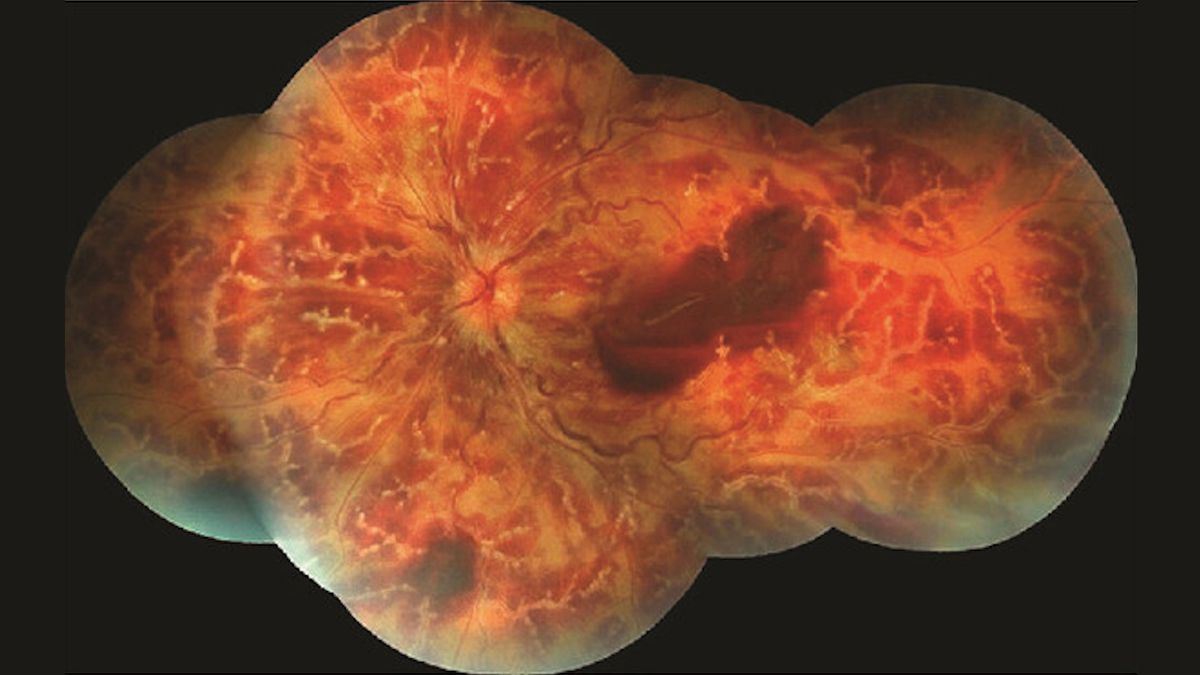
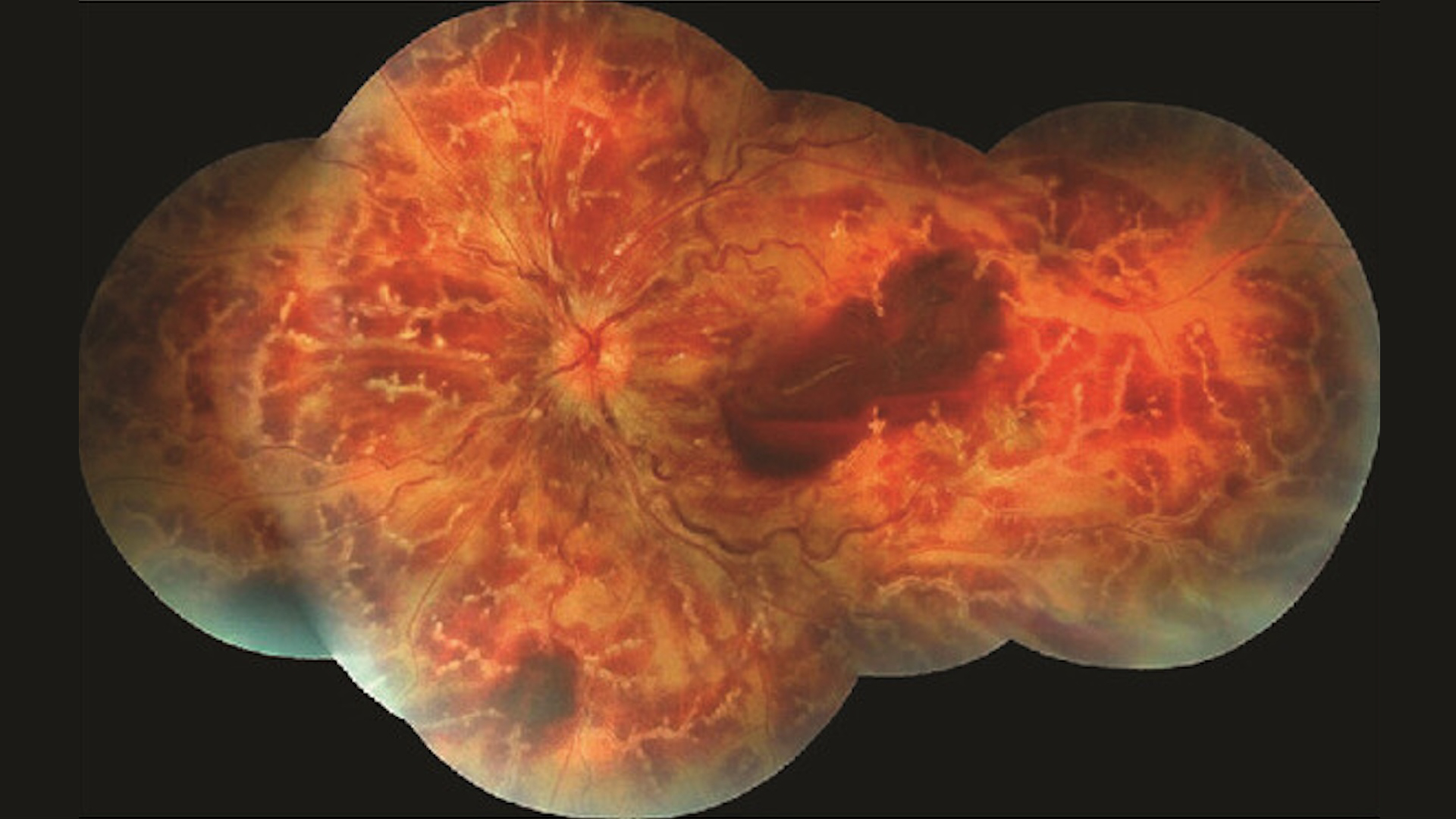
Causes: FBA was first described in 1976 in a 6-year-old Japanese boy who had inflammation in the inner structures of his eye, as well as in the blood vessels that supply the retina, the light-sensitive tissue at the back of the eye. When doctors examined the retina, the affected blood vessels looked a bit like the frosted branches of a tree, hence the name of the disease.

FBA can arise in several ways. For instance, it can occur spontaneously in otherwise healthy individuals following a viral illness, or it can emerge in patients who have a chronic infection, including with cytomegalovirus or tuberculosis, or an inflammatory disease such as Crohn’s disease or lupus. FBA is thought to be caused by the immune system going into overdrive, which triggers excessive inflammation that damages eye tissue.

Related: Weird ‘gut-eye axis’ links the retina and intestines, and may help explain glaucoma

Symptoms: Patients with FBA usually have severe levels of inflammation that causes a white “sheath” to form around the blood vessels that supply the retina, which then swells and causes patients to lose their sight. Around 55% of patients with FBA develop the condition in both eyes.

Treatments: According to case records, doctors have historically treated FBA using anti-inflammatory drugs, such as steroids, as well as by directly targeting the potential cause of the inflammation. For instance, they may use antivirals or antibiotics to treat an underlying infection. Patients with FBA tend to recover well and rarely experience the condition more than once in their lives. Complications that require surgery are not very common.

Get the world’s most fascinating discoveries delivered straight to your inbox.

This article is for informational purposes only and is not meant to offer medical advice.

Ever wonder why some people build muscle more easily than others or why freckles come out in the sun? Send us your questions about how the human body works to community@livescience.com with the subject line “Health Desk Q,” and you may see your question answered on the website!

Source link

Share. Facebook Twitter Pinterest LinkedIn Tumblr Email
Previous Article36% of Americans took on holiday debt this year — averaging $1,181 — survey finds. These tips can help
Next Article Today’s Vicky Nguyen Has “Mom Brain” Wardrobe Malfunction While On Air
Editor
  • Website

Related Posts

Lifestyle

Memory may not work how we thought, study of mice in artificial hibernation finds

August 13, 2026
Lifestyle

Romans unceremoniously dumped plague victims down a well, mysterious mass grave in Croatia suggest

August 13, 2026
Lifestyle

New AI lets robots complete tasks twice as fast

August 13, 2026
Add A Comment

Comments are closed.

Categories
  • Entertainment
  • Lifestyle
  • News
  • Sports
  • Tech
  • Travel
Recent Posts
  • Memory may not work how we thought, study of mice in artificial hibernation finds
  • Romans unceremoniously dumped plague victims down a well, mysterious mass grave in Croatia suggest
  • New AI lets robots complete tasks twice as fast
  • Mammal ancestors may have given live birth 90 million years earlier than we thought, rewriting evolutionary timelines
  • How to see and photograph the partial lunar eclipse on August 27-28
calendar
August 2026
M T W T F S S
 12
3456789
10111213141516
17181920212223
24252627282930
31  
« Jul    
Recent Posts
  • Memory may not work how we thought, study of mice in artificial hibernation finds
  • Romans unceremoniously dumped plague victims down a well, mysterious mass grave in Croatia suggest
  • New AI lets robots complete tasks twice as fast
About

Welcome to Baynard Media, your trusted source for a diverse range of news and insights. We are committed to delivering timely, reliable, and thought-provoking content that keeps you informed
and inspired

Categories
  • Entertainment
  • Lifestyle
  • News
  • Sports
  • Tech
  • Travel
Facebook X (Twitter) Pinterest WhatsApp
  • Contact Us
  • About Us
  • Privacy Policy
  • Disclaimer
  • UNSUBSCRIBE
© 2026 copyrights reserved

Type above and press Enter to search. Press Esc to cancel.