Close Menu
  • Home
  • UNSUBSCRIBE
  • News
  • Lifestyle
  • Tech
  • Entertainment
  • Sports
  • Travel
Facebook X (Twitter) WhatsApp
Trending
  • Science news this week: PCOS has a new name, Neanderthals were the world’s oldest dentists, and the first nuclear bomb explosion spawned an ‘alien’ crystal
  • Newly discovered, blue-whale-size asteroid will fly super close to Earth Monday — and you can watch it live
  • Don Juan Pond: Antarctica’s salty, syrupy lake that never freezes, even when it’s minus 58 F
  • Withings ScanWatch 2 review: Style meets next-level health monitoring
  • AI Chatbots are turbo-charging violence against women and girls: We urgently need to regulate them | Yvonne McDermott Rees
  • ‘The biggest El Niño event since the 1870s’: ‘Super’ El Niño is now the most likely scenario by the end of this year ‪—‬ and the humanitarian cost could be huge
  • Antarctica’s sudden sea ice loss is one of the most extreme and confusing events in the modern climate record. Scientists now know why it’s happening.
  • ‘I heard gasps’: Artemis II astronauts reveal inside story of their mind-bending solar eclipse
Facebook X (Twitter) WhatsApp
Baynard Media
  • Home
  • UNSUBSCRIBE
  • News
  • Lifestyle
  • Tech
  • Entertainment
  • Sports
  • Travel
Baynard Media
Home»Lifestyle»Diagnostic dilemma: A man had hiccups for 5 days — and a virus may have been to blame
Lifestyle

Diagnostic dilemma: A man had hiccups for 5 days — and a virus may have been to blame

EditorBy EditorApril 24, 2025No Comments4 Mins Read
Share Facebook Twitter Pinterest LinkedIn Tumblr Reddit Telegram Email
Share
Facebook Twitter LinkedIn Pinterest Email

The patient: A 60-year-old man in Istanbul

The symptoms: The patient went to a hospital after having hiccups for three days.

What happened next: Doctors in the hospital’s neurology department examined the patient and performed an MRI of his head. They found no abnormalities in his brain, and they didn’t note any symptoms other than his hiccups, which continued during the MRI exam. He was then moved to the internal medicine department, where specialists conducted further tests and found the man’s temperature, oxygen levels, and heart and breathing rates were normal. Blood work showed no signs of influenza or respiratory syncytial virus (RSV) infection.

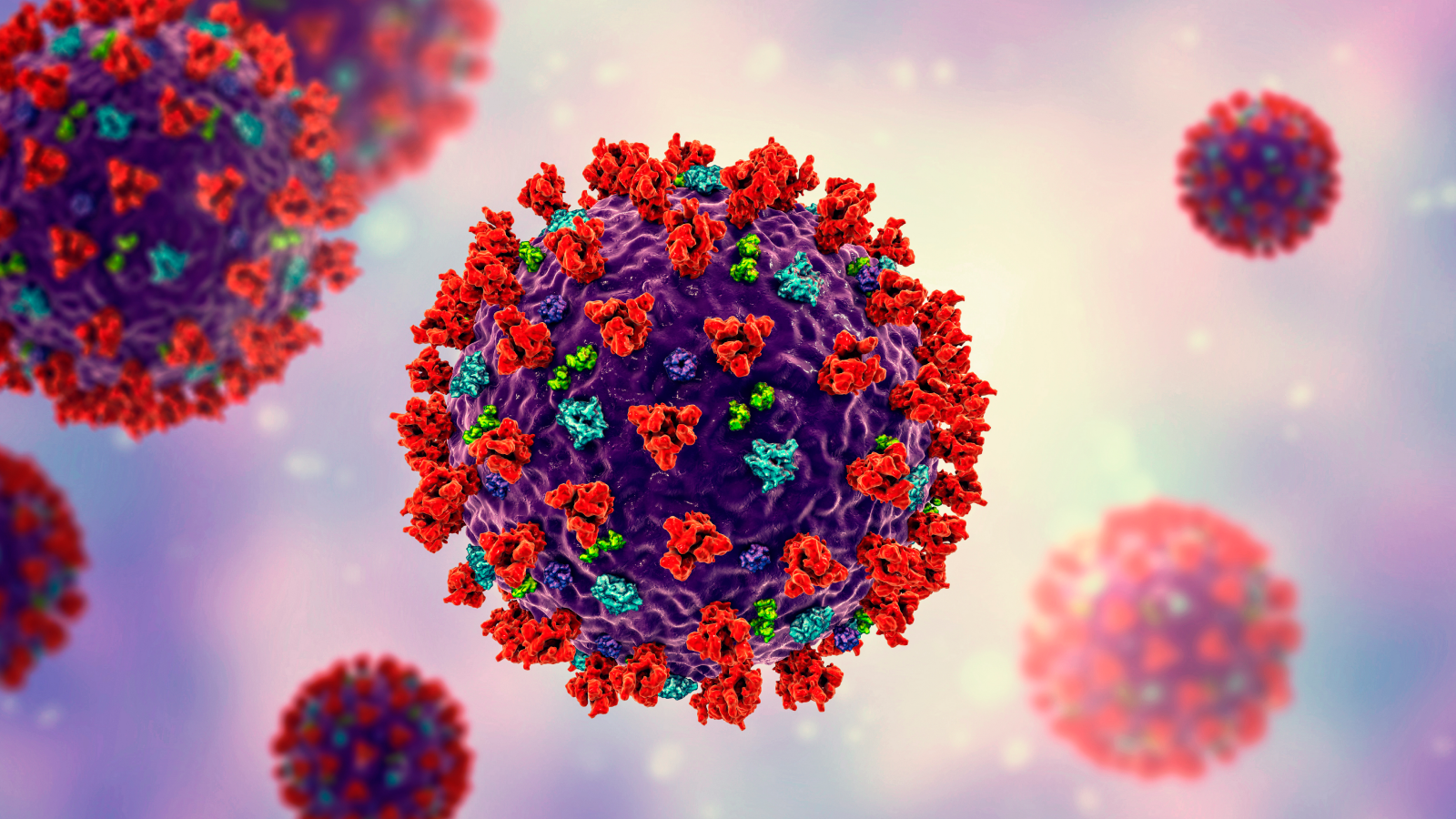
But when doctors listened to the patient’s lungs, they heard “obvious moist crackles,” they wrote in a report of the case. A CT scan of the man’s chest revealed nodules in both lungs — typically a sign of viral pneumonia. The next day, analysis of a throat-swab sample showed that the patient was infected with SARS-CoV-2, the coronavirus that causes COVID-19.

Related: Weird gadget may cure hiccups, early study suggests

The diagnosis: The patient was admitted to the hospital and diagnosed with moderate pneumonia and COVID-19, and the doctors suspected the infection was behind his hiccups, as well.

Several case studies published in the early 2000s linked persistent hiccups — meaning hiccups lasting two days or longer — to pneumonia. Medical research published in 2020 and 2021 suggested that COVID-19 also could cause persistent hiccups and could make hiccup attacks longer and more severe than usual, doctors wrote in the report.

Get the world’s most fascinating discoveries delivered straight to your inbox.

Hiccups are repeated, involuntary spasms of the diaphragm, the curved muscle between the chest and abdomen that moves during breathing. Many factors can trigger short bouts of hiccups, such as overeating or drinking carbonated beverages. In persistent hiccups or intractable hiccups, which last at least one month, diseases affecting the central nervous system, the gastrointestinal system or the respiratory system can play a part in driving the underlying diaphragm spasms.

The treatment: Doctors gave the man favipiravir, an antiviral medication for flu that was at one point tested as a COVID-19 treatment. He was also given medicines to reduce inflammation and treat bacterial infections. He was not given any antivirals used currently to treat COVID-19, such as Paxlovid.

After two days of treatment, the patient still had hiccups. The doctors then gave him chlorpromazine, an antipsychotic medication known to relax the muscle spasms that cause hiccups. It is the only medical treatment for hiccups approved by the U.S. Food and Drug Administration.

After 12 hours, the man’s hiccups finally stopped, and chlorpromazine was administered for two more days after that. The patient tested negative for COVID-19 after 10 days of treatment, and at a follow-up visit two months later, the man reported that his hiccups had not returned.

What makes the case unique: Most cases of hiccups have gastrointestinal origins, in which the stomach, located directly below the diaphragm, becomes distended and irritates the muscle, causing it to contract. Hiccups caused by respiratory ailments, however, are rare.

COVID-19 and pneumonia, whether caused by SARS-CoV-2 or another germ, may cause persistent hiccups by triggering inflammation that irritates the phrenic nerve, which sends motor signals to the diaphragm. Such cases could be more widespread than the literature suggests, the doctors suggested, as many clinicians may not realize that persistent hiccups can result from pneumonia or a COVID-19 infection.

In fact, in the same case report, the man’s doctors described a second case of hiccups associated with COVID-19 pneumonia — this time, in a 68-year-old man.

This article is for informational purposes only and is not meant to offer medical advice.

Source link

Share. Facebook Twitter Pinterest LinkedIn Tumblr Email
Previous ArticleExtreme ‘zombie star’ capable of ripping human atoms apart is shooting through the Milky Way — and nobody knows where it came from
Next Article La Crosse virus disease: The rare mosquito-borne illness that causes deadly brain inflammation
Editor
  • Website

Related Posts

Lifestyle

Science news this week: PCOS has a new name, Neanderthals were the world’s oldest dentists, and the first nuclear bomb explosion spawned an ‘alien’ crystal

May 16, 2026
Lifestyle

Newly discovered, blue-whale-size asteroid will fly super close to Earth Monday — and you can watch it live

May 16, 2026
Lifestyle

Don Juan Pond: Antarctica’s salty, syrupy lake that never freezes, even when it’s minus 58 F

May 16, 2026
Add A Comment

Comments are closed.

Categories
  • Entertainment
  • Lifestyle
  • News
  • Sports
  • Tech
  • Travel
Recent Posts
  • Science news this week: PCOS has a new name, Neanderthals were the world’s oldest dentists, and the first nuclear bomb explosion spawned an ‘alien’ crystal
  • Newly discovered, blue-whale-size asteroid will fly super close to Earth Monday — and you can watch it live
  • Don Juan Pond: Antarctica’s salty, syrupy lake that never freezes, even when it’s minus 58 F
  • Withings ScanWatch 2 review: Style meets next-level health monitoring
  • AI Chatbots are turbo-charging violence against women and girls: We urgently need to regulate them | Yvonne McDermott Rees
calendar
May 2026
M T W T F S S
 123
45678910
11121314151617
18192021222324
25262728293031
« Apr    
Recent Posts
  • Science news this week: PCOS has a new name, Neanderthals were the world’s oldest dentists, and the first nuclear bomb explosion spawned an ‘alien’ crystal
  • Newly discovered, blue-whale-size asteroid will fly super close to Earth Monday — and you can watch it live
  • Don Juan Pond: Antarctica’s salty, syrupy lake that never freezes, even when it’s minus 58 F
About

Welcome to Baynard Media, your trusted source for a diverse range of news and insights. We are committed to delivering timely, reliable, and thought-provoking content that keeps you informed
and inspired

Categories
  • Entertainment
  • Lifestyle
  • News
  • Sports
  • Tech
  • Travel
Facebook X (Twitter) Pinterest WhatsApp
  • Contact Us
  • About Us
  • Privacy Policy
  • Disclaimer
  • UNSUBSCRIBE
© 2026 copyrights reserved

Type above and press Enter to search. Press Esc to cancel.