Close Menu
  • Home
  • UNSUBSCRIBE
  • News
  • Lifestyle
  • Tech
  • Entertainment
  • Sports
  • Travel
Facebook X (Twitter) WhatsApp
Trending
  • Newly discovered, blue-whale-size asteroid will fly super close to Earth Monday — and you can watch it live
  • Don Juan Pond: Antarctica’s salty, syrupy lake that never freezes, even when it’s minus 58 F
  • Withings ScanWatch 2 review: Style meets next-level health monitoring
  • AI Chatbots are turbo-charging violence against women and girls: We urgently need to regulate them | Yvonne McDermott Rees
  • ‘The biggest El Niño event since the 1870s’: ‘Super’ El Niño is now the most likely scenario by the end of this year ‪—‬ and the humanitarian cost could be huge
  • Antarctica’s sudden sea ice loss is one of the most extreme and confusing events in the modern climate record. Scientists now know why it’s happening.
  • ‘I heard gasps’: Artemis II astronauts reveal inside story of their mind-bending solar eclipse
  • A pill can stop people from developing COVID after being exposed to the virus, trial finds
Facebook X (Twitter) WhatsApp
Baynard Media
  • Home
  • UNSUBSCRIBE
  • News
  • Lifestyle
  • Tech
  • Entertainment
  • Sports
  • Travel
Baynard Media
Home»Lifestyle»The Pacific Northwest has been immune to sea-level rise so far. A mega-quake could change its fortune in an instant.
Lifestyle

The Pacific Northwest has been immune to sea-level rise so far. A mega-quake could change its fortune in an instant.

EditorBy EditorApril 30, 2025No Comments4 Mins Read
Share Facebook Twitter Pinterest LinkedIn Tumblr Reddit Telegram Email
Share
Facebook Twitter LinkedIn Pinterest Email

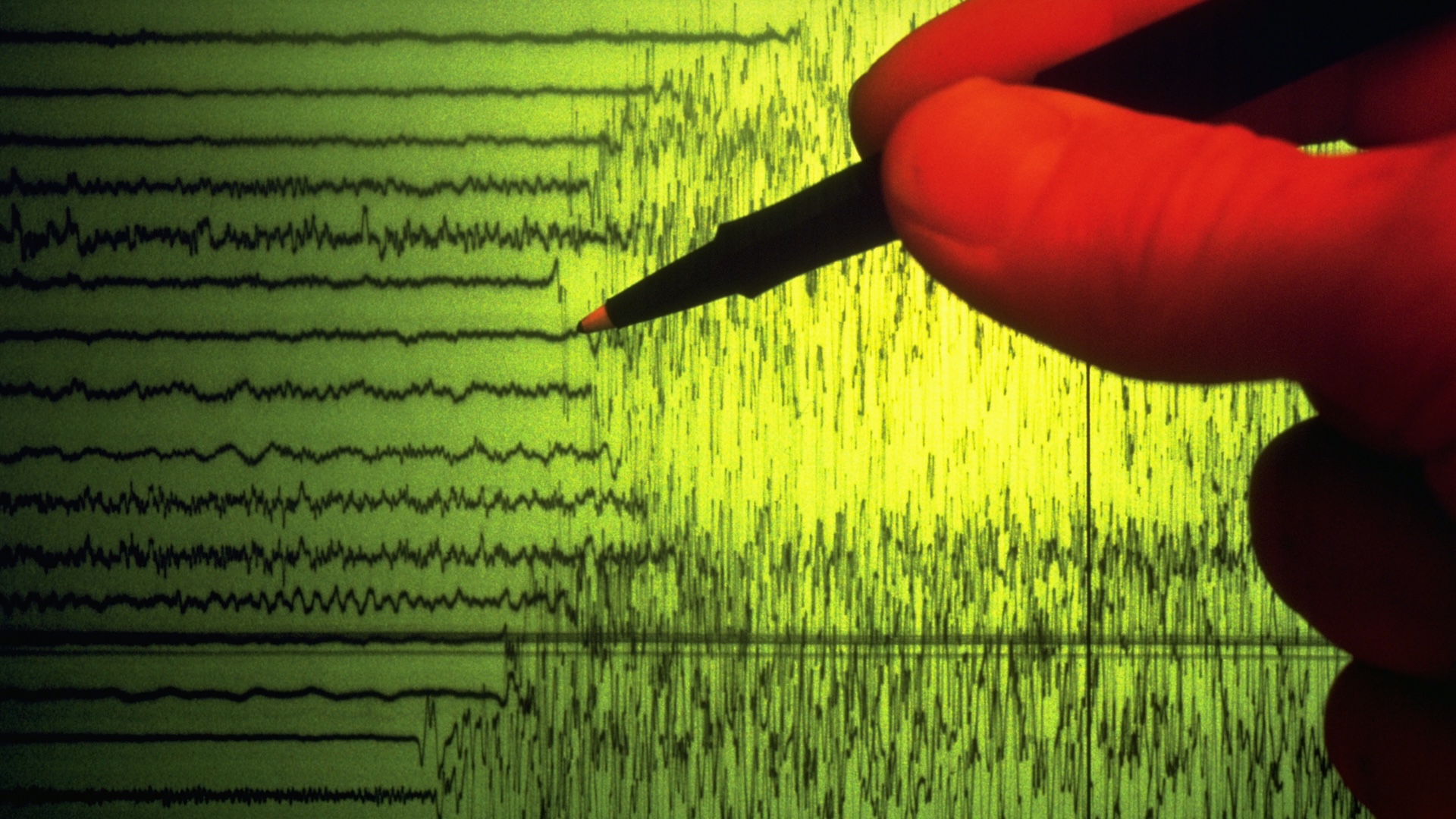
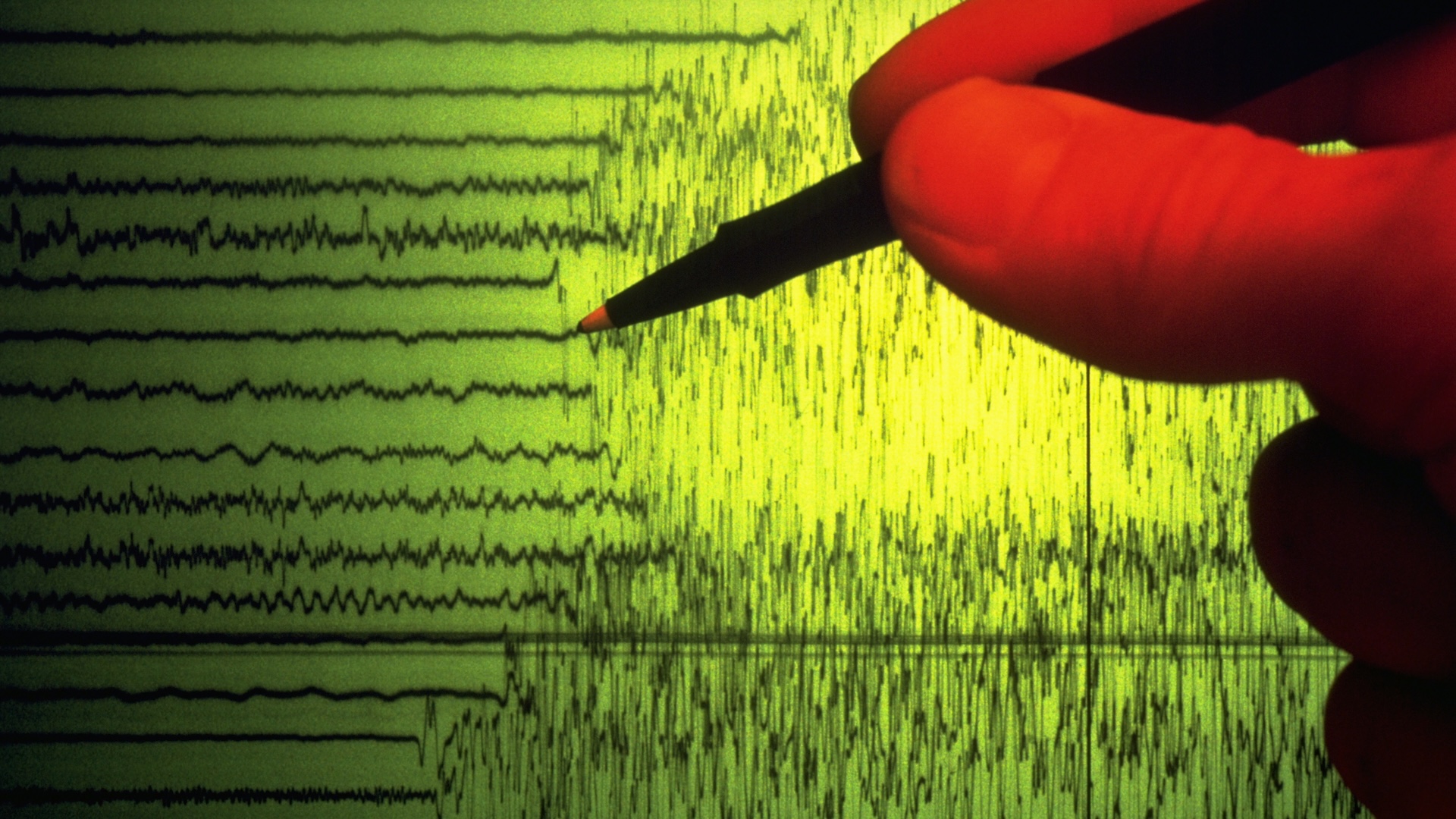
A catastrophic earthquake in the Cascadia region of the Pacific Northwest could lower the ground near the coast by up to 6.6 feet (2 meters). Combined with rising seas caused by climate change, that could create long-term flooding problems for coastal areas in northern California, Washington and Oregon, a new study finds.

Such a quake would triple the amount of land in the 100-year floodplain in the Pacific Northwest by 2100, according to the study.

“We talk a lot about the tsunami and about the shaking, but this subsidence could persist for decades to centuries,” Tina Dura, a coastal geologist at Virginia Tech who led the research, told Live Science. “And that’s going to be something that’s going to totally change these coastal communities.”

Unlike other coastal areas, the Pacific Northwest has largely escaped the impacts of rising sea levels caused by climate change. That’s because of the area’s geology. The coastal Pacific Northwest is a subduction zone where oceanic tectonic plates (in this case, the Juan de Fuca and Gorda plates) sink under continental plates (in this case, the North American Plate).

The last time this Cascadia subduction zone shook off a major earthquake was in 1700. Since then, the coastline has been rising by 0.04 to 0.12 inch (1 to 3 millimeters) a year, slightly outpacing climate-driven sea-level rise in many areas. Climate change is set to have its day, however, Dura said: By 2030, the sea level will be rising faster than Cascadia’s uplift.

Geologists have long known that a major Cascadia earthquake could cause the coastline to drop. It’s happened in many major subduction-zone earthquakes before, including the 1960 magnitude 9.5 Great Chilean Earthquake, the most powerful earthquake ever recorded. The 2004 Indian Ocean earthquake and tsunami that killed more than 227,000 people also caused the land to slump by as much as 6 feet (1.8 m) in Sumatra, Indonesia. Geological evidence from the 1700 quake in the Pacific Northwest shows forests becoming mudflats after slumping below sea level.

Related: A long-lost ice sheet could predict the future of New York City — one in which Lower Manhattan and Coney Island are ‘perpetually submerged’

Get the world’s most fascinating discoveries delivered straight to your inbox.

But no one had quantified how this slumping, known as subsidence, would interact with rising sea levels driven by climate change. Dura and her team compared the amount of land that would end up in the Federal Emergency Management Agency (FEMA) 100-year floodplain if a magnitude 8 Cascadia earthquake were to happen today versus in 2100, when climate-driven sea-level rise is expected to reach between 1.3 and 2.9 feet (0.4 to 0.9 m) in Cascadia’s estuaries.

They found that in the worst-case scenarios of up to 6.6 feet of subsidence, the area in the 100-year floodplain would increase by 145 square miles (370 square kilometers), compared with 115 square miles (300 square km) if the quake were to strike today. The designation of a 100-year floodplain means that an area has a 1% chance of flooding in a given year.

The expansion of the floodplain would put an additional 17,710 residents in the path of flooding. Right now, 8,120 people call these floodplains home. The expanded floodplain also holds crucial infrastructure, such as wastewater treatment plants, electrical substations, and municipal airports. Many of these areas would be immediately impacted by a tsunami from a major Cascadia quake, Dura said, but continued flooding in the aftermath could affect evacuation, rescue and rebuilding.

“Could something like air response be interrupted?” she said. These expanded floodplain maps could help emergency managers and city planners prepare for the worst, she added.

The results were published April 28 in the journal PNAS.

Source link

Share. Facebook Twitter Pinterest LinkedIn Tumblr Email
Previous ArticleHumans may have evolved to heal 3 times slower than other mammals
Next Article ‘It’s huge, and it’s been hidden for this whole time’: Gigantic glowing cloud ‘Eos’ is one of the largest structures in the sky — and we’ve never seen it until now
Editor
  • Website

Related Posts

Lifestyle

Newly discovered, blue-whale-size asteroid will fly super close to Earth Monday — and you can watch it live

May 16, 2026
Lifestyle

Don Juan Pond: Antarctica’s salty, syrupy lake that never freezes, even when it’s minus 58 F

May 16, 2026
Lifestyle

Withings ScanWatch 2 review: Style meets next-level health monitoring

May 15, 2026
Add A Comment

Comments are closed.

Categories
  • Entertainment
  • Lifestyle
  • News
  • Sports
  • Tech
  • Travel
Recent Posts
  • Newly discovered, blue-whale-size asteroid will fly super close to Earth Monday — and you can watch it live
  • Don Juan Pond: Antarctica’s salty, syrupy lake that never freezes, even when it’s minus 58 F
  • Withings ScanWatch 2 review: Style meets next-level health monitoring
  • AI Chatbots are turbo-charging violence against women and girls: We urgently need to regulate them | Yvonne McDermott Rees
  • ‘The biggest El Niño event since the 1870s’: ‘Super’ El Niño is now the most likely scenario by the end of this year ‪—‬ and the humanitarian cost could be huge
calendar
May 2026
M T W T F S S
 123
45678910
11121314151617
18192021222324
25262728293031
« Apr    
Recent Posts
  • Newly discovered, blue-whale-size asteroid will fly super close to Earth Monday — and you can watch it live
  • Don Juan Pond: Antarctica’s salty, syrupy lake that never freezes, even when it’s minus 58 F
  • Withings ScanWatch 2 review: Style meets next-level health monitoring
About

Welcome to Baynard Media, your trusted source for a diverse range of news and insights. We are committed to delivering timely, reliable, and thought-provoking content that keeps you informed
and inspired

Categories
  • Entertainment
  • Lifestyle
  • News
  • Sports
  • Tech
  • Travel
Facebook X (Twitter) Pinterest WhatsApp
  • Contact Us
  • About Us
  • Privacy Policy
  • Disclaimer
  • UNSUBSCRIBE
© 2026 copyrights reserved

Type above and press Enter to search. Press Esc to cancel.