Close Menu
  • Home
  • UNSUBSCRIBE
  • News
  • Lifestyle
  • Tech
  • Entertainment
  • Sports
  • Travel
Facebook X (Twitter) WhatsApp
Trending
  • ‘Kraken’ octopus that lived at the time of the dinosaurs was a 62-foot-long apex predator of the ocean
  • ‘A landmark moment for the field’: FDA approves first-ever gene therapy for inherited deafness
  • ‘Strong, undeniable public examples of something positive’: Astronaut Chris Hadfield on why Artemis II hit him hard, the importance of spaceflight, and why we need to send a guitar to the moon
  • Artemis II heat shield aced its blistering reentry, ghostly underwater photo reveals
  • Scientists invent artificial neurons that ‘talk’ to real brain cells, paving way to better brain implants
  • Meet AGI CPU — a specialist processor that engineers believe will power the next wave of AI
  • Earth quiz: What do you know about our planet’s most amazing features?
  • Watch an AI-powered table tennis robot beat elite players
Facebook X (Twitter) WhatsApp
Baynard Media
  • Home
  • UNSUBSCRIBE
  • News
  • Lifestyle
  • Tech
  • Entertainment
  • Sports
  • Travel
Baynard Media
Home»Lifestyle»‘Single crystal’ electrodes could power EVs for millions of miles
Lifestyle

‘Single crystal’ electrodes could power EVs for millions of miles

EditorBy EditorJanuary 3, 2025No Comments3 Mins Read
Share Facebook Twitter Pinterest LinkedIn Tumblr Reddit Telegram Email
Share
Facebook Twitter LinkedIn Pinterest Email

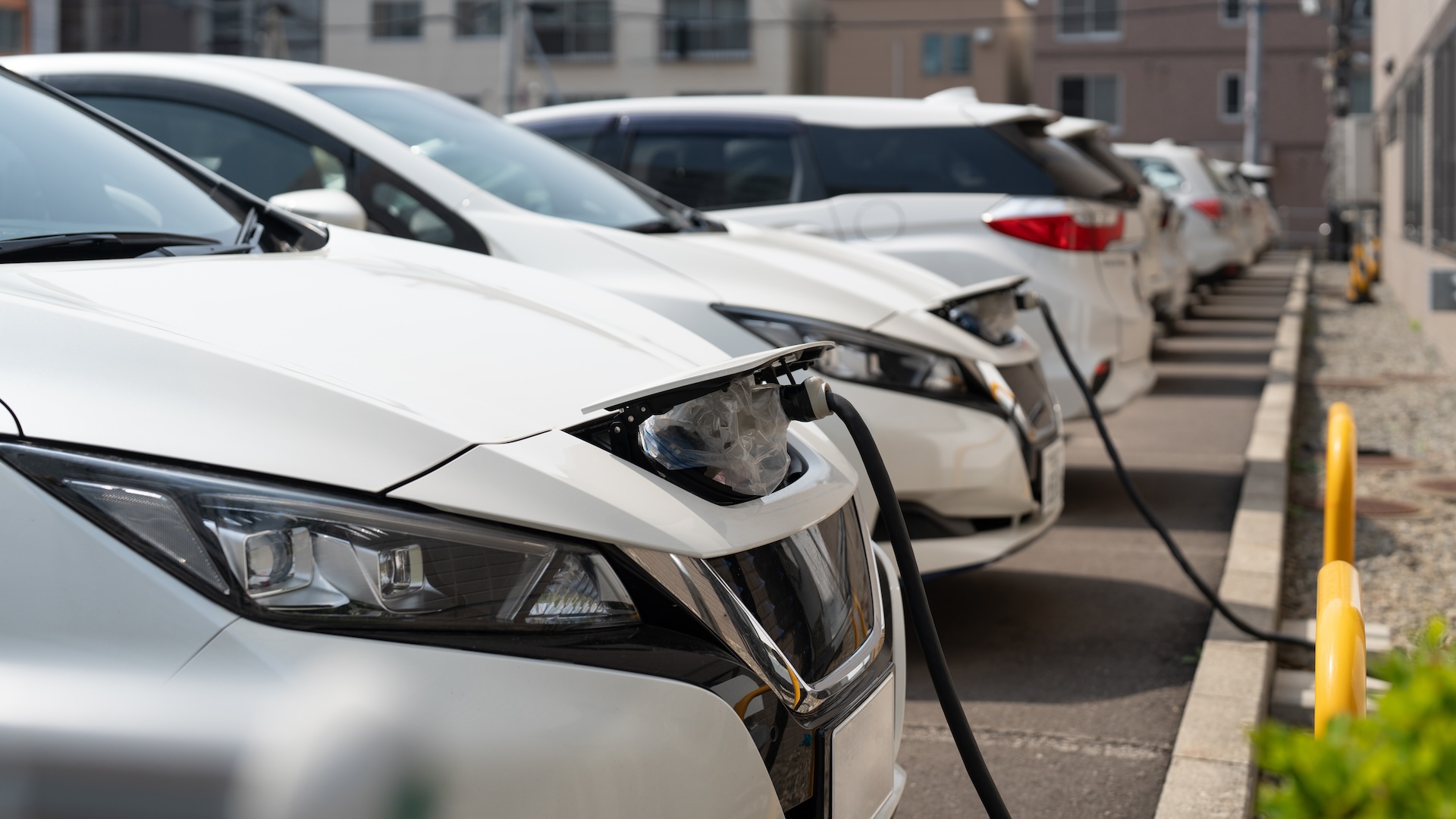
Batteries with “single-crystal electrodes” could power electric vehicles (EVs) for millions of miles — meaning their batteries would outlast other parts of the cars, new research shows.

A lithium-ion battery with this new type of electrode has been charging and discharging constantly for six years, retaining nearly 80% of its original capacity. That battery cycled eight times longer than a regular lithium-ion battery — equivalent to an electric car driving 5 million miles (8 million kilometers), researchers reported Nov. 15 in the Journal of The Electrochemical Society.

All batteries slowly wear out and lose some of their energy-storage capacity over time. For instance, your phone battery holds less of a charge after a few years than it did the day you bought it. The same is true of electric car batteries: When their storage capacity drops, so does the distance the car can travel on a single charge.

Related: How do electric car batteries work, and what affects their range?

“The main focus of our research was to understand how damage and fatigue inside a battery progresses over time, and how we can prevent it,” study co-author Toby Bond, a chemist at Canadian Light Source, said in a statement.

In the study, which was funded by the electric vehicle maker Tesla and included researchers from Dalhousie University in Nova Scotia, researchers compared the long-lasting single-crystal electrode with a more commonly used polycrystalline electrode. The two electrodes are made from similar materials, but in the polycrystalline electrode, those materials take the form of many tiny particles formed from even smaller crystals packed together. In the single-crystal electrode, as the name suggests, each particle is made from just one crystal, which makes them more resistant to mechanical strain.

Bond and his colleagues used high-energy X-rays to look inside the battery without taking it apart. The team found that after 2.5 years of constant cycling, the polycrystalline electrode was full of tiny cracks. Those cracks form when the lithium ions in the battery force the atoms in the electrodes apart and limit how much energy the battery can store.

Get the world’s most fascinating discoveries delivered straight to your inbox.

By contrast, the single-crystal electrode contained few cracks, even after charging and discharging continuously for six years.

Longer-lasting EV batteries

The battery with the single-crystal electrode had gone through more than 20,000 charging and discharging cycles and had retained about 80% of its original capacity in that time. A typical electric vehicle can travel about 250 miles (400 km) on a charge, so the battery with the single-crystal electrode has a lifespan equivalent to driving about 5 million miles. For comparison, typical EV batteries today need to be replaced after about 200,000 miles (322,000 km).

“We really need these vehicles to last as long as possible, because the longer you drive them, the better its improvement on the carbon footprint is,” Bond said in the statement.

Batteries with single-crystal electrodes have yet to be incorporated into electric vehicles, although they are available commercially. Tesla has patented similar single-crystal-electrode formulations, with members of the Dalhousie team named as co-inventors.

With these advances keeping batteries running longer, the battery could one day outlast other parts of an electric vehicle. When that happens, the batteries could find a second life in grid-scale energy-storage systems, the researchers wrote. There, the batteries could store renewable, but intermittently accessible energy, such as solar or wind power.

“I think work like this just helps underscore how reliable [the new batteries] are, and it should help companies that are manufacturing and using these batteries to plan for the long term,” Bond said.

Source link

Share. Facebook Twitter Pinterest LinkedIn Tumblr Email
Previous ArticleMike Johnson hangs on, but his challenges are only beginning: From the Politics Desk
Next Article Littler thrashes Van Gerwen to win first world title | Final highlights
Editor
  • Website

Related Posts

Lifestyle

‘Kraken’ octopus that lived at the time of the dinosaurs was a 62-foot-long apex predator of the ocean

April 24, 2026
Lifestyle

‘A landmark moment for the field’: FDA approves first-ever gene therapy for inherited deafness

April 23, 2026
Lifestyle

‘Strong, undeniable public examples of something positive’: Astronaut Chris Hadfield on why Artemis II hit him hard, the importance of spaceflight, and why we need to send a guitar to the moon

April 23, 2026
Add A Comment

Comments are closed.

Categories
  • Entertainment
  • Lifestyle
  • News
  • Sports
  • Tech
  • Travel
Recent Posts
  • ‘Kraken’ octopus that lived at the time of the dinosaurs was a 62-foot-long apex predator of the ocean
  • ‘A landmark moment for the field’: FDA approves first-ever gene therapy for inherited deafness
  • ‘Strong, undeniable public examples of something positive’: Astronaut Chris Hadfield on why Artemis II hit him hard, the importance of spaceflight, and why we need to send a guitar to the moon
  • Artemis II heat shield aced its blistering reentry, ghostly underwater photo reveals
  • Scientists invent artificial neurons that ‘talk’ to real brain cells, paving way to better brain implants
calendar
April 2026
M T W T F S S
 12345
6789101112
13141516171819
20212223242526
27282930  
« Mar    
Recent Posts
  • ‘Kraken’ octopus that lived at the time of the dinosaurs was a 62-foot-long apex predator of the ocean
  • ‘A landmark moment for the field’: FDA approves first-ever gene therapy for inherited deafness
  • ‘Strong, undeniable public examples of something positive’: Astronaut Chris Hadfield on why Artemis II hit him hard, the importance of spaceflight, and why we need to send a guitar to the moon
About

Welcome to Baynard Media, your trusted source for a diverse range of news and insights. We are committed to delivering timely, reliable, and thought-provoking content that keeps you informed
and inspired

Categories
  • Entertainment
  • Lifestyle
  • News
  • Sports
  • Tech
  • Travel
Facebook X (Twitter) Pinterest WhatsApp
  • Contact Us
  • About Us
  • Privacy Policy
  • Disclaimer
  • UNSUBSCRIBE
© 2026 copyrights reserved

Type above and press Enter to search. Press Esc to cancel.