
Last month was the hottest January on record, climate scientists have announced — despite the onset of a cold climate pattern in the Pacific and parts of the U.S. experiencing record-breaking cold.
Global surface air temperatures averaged 55.81 degrees Fahrenheit (13.23 degrees Celsius) in January 2025, up from 55.65 F (13.14 C) in 2024 — the previous hottest January on record. That increase isn’t huge, but scientists expected temperatures to be cooler this year.
Earth entered La Niña in January, which is the cold phase of a natural climate pattern called the El Niño-Southern Oscillation cycle. The El Niño phase pushes global temperatures up, which happened in 2023 and 2024, while La Niña typically brings them down. However, the current La Niña arrived later than scientists expected and is unusually weak.
The unusually high temperatures in January 2025 continue an ominous trend of global warming. Last year was the hottest year on record and the first full year to breach 2.7 F (1.5 C) of warming above pre-industrial levels — the estimated average temperature between 1850 and 1900. World leaders previously agreed to limit warming to preferably below 2.7 F and well below 3.6 F (2 C) in the 2015 Paris Agreement, a legally binding international treaty.
In January this year, the warming was 3.15 F (1.75 C) above pre-industrial levels. This marks the 18th month out of the last 19 to exceed 2.7 F, according to a statement released by the European Union’s Copernicus Climate Change Service.
“January 2025 is another surprising month, continuing the record temperatures observed throughout the last two years, despite the development of La Niña conditions in the tropical Pacific and their temporary cooling effect on global temperatures,” Samantha Burgess, the strategic lead for climate at the European Centre for Medium-Range Weather Forecasts, which implements the Copernicus program, said in the statement.
Related: Greenland’s ice sheet — the second biggest in the world — is cracking open at alarming speed, scientists discover
U.S. colder than average
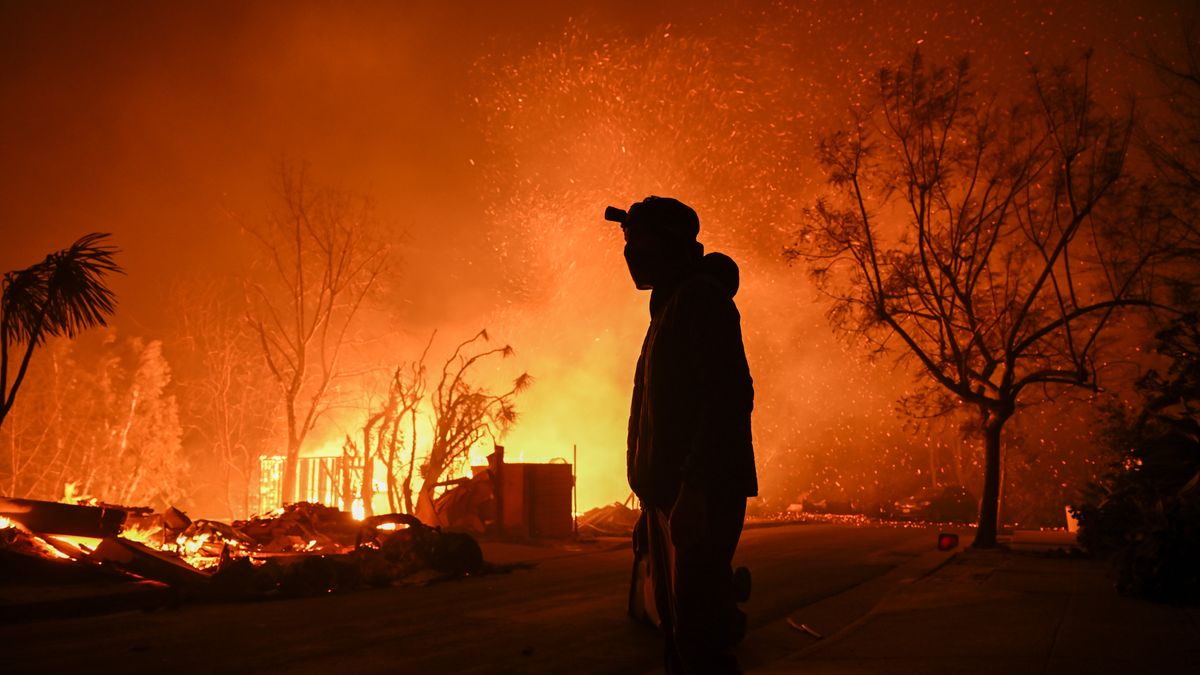
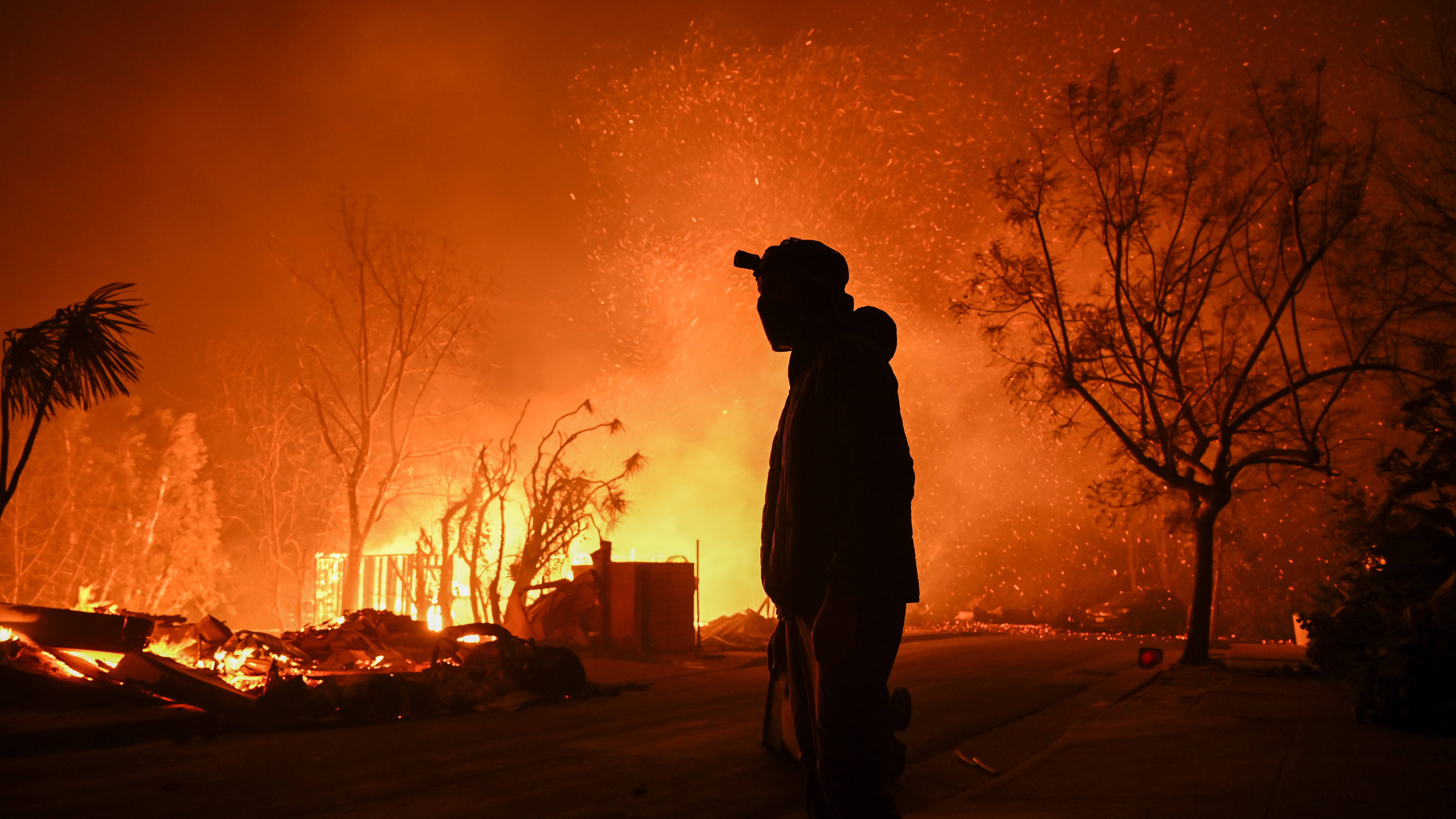
Weather patterns vary across the planet, so a global increase in average temperature doesn’t necessarily mean that every region experiences warming. Overall, the U.S. was colder than average in January, with thundersnow striking the East Coast and Midwest and historic snow storms coating the Deep South and Gulf Coast. However, dry conditions in Southern California contributed to the deadly wildfires that devastated Los Angeles, while places like Minnesota saw record-breaking warmth.
Warmer-than-average temperatures were also reported north of the contiguous U.S. Alaska was 5 F (2.8 C) above average, The Washington Post reported. Northeastern and northwestern Canada were also relatively warm, according to the Copernicus program’s statement.
Across the globe, Australia baked in historic heatwaves, while southern South America, Africa, Antarctica, Siberia and parts of Europe all experienced mostly above-average temperatures.
Global warming is primarily attributed to humans releasing record amounts of greenhouse gases into the atmosphere by burning fossil fuels, according to a statement released by the United Nations. Carbon dioxide (CO₂), methane (CH₄) and other greenhouse gases trap heat in the atmosphere, warming the planet.
Climate change threatens billions of people. The effects of global warming include fueling extreme weather such as wildfires; raising sea levels that threaten coastal communities; and drying agricultural lands, which in turn compromises humanity’s ability to grow food. Unchecked climate change will also send many species to extinction.
