Close Menu
  • Home
  • UNSUBSCRIBE
  • News
  • Lifestyle
  • Tech
  • Entertainment
  • Sports
  • Travel
Facebook X (Twitter) WhatsApp
Trending
  • Humanoid robots have outpaced human runners in the half-marathon, beating the world record ‪—‬ here are the secrets to this astonishing feat
  • Google AI breakthrough means chatbots use six times less memory during conversations without compromising performance
  • ZWO Seestar S30 Pro smart telescope review
  • Doctors partially delivered a baby at 25 weeks to perform a lifesaving surgery and then returned him to the womb
  • Poop-encrusted chamber pots from the Roman Empire reveal oldest known human cases of Crypto parasite
  • Weapons of the world quiz: Can you identify these historical objects of war?
  • ‘The detectors never stopped beeping!’ Nearly 3,000 coins discovered in field are Norway’s largest Viking hoard on record
  • ‘We can no longer ignore diseases in the deep human past’: Malaria influenced early humans’ migrations across Africa, study suggests
Facebook X (Twitter) WhatsApp
Baynard Media
  • Home
  • UNSUBSCRIBE
  • News
  • Lifestyle
  • Tech
  • Entertainment
  • Sports
  • Travel
Baynard Media
Home»Lifestyle»If tiny lab-grown ‘brains’ became conscious, would it still be OK to experiment on them?
Lifestyle

If tiny lab-grown ‘brains’ became conscious, would it still be OK to experiment on them?

EditorBy EditorSeptember 19, 2025No Comments2 Mins Read
Share Facebook Twitter Pinterest LinkedIn Tumblr Reddit Telegram Email
Share
Facebook Twitter LinkedIn Pinterest Email

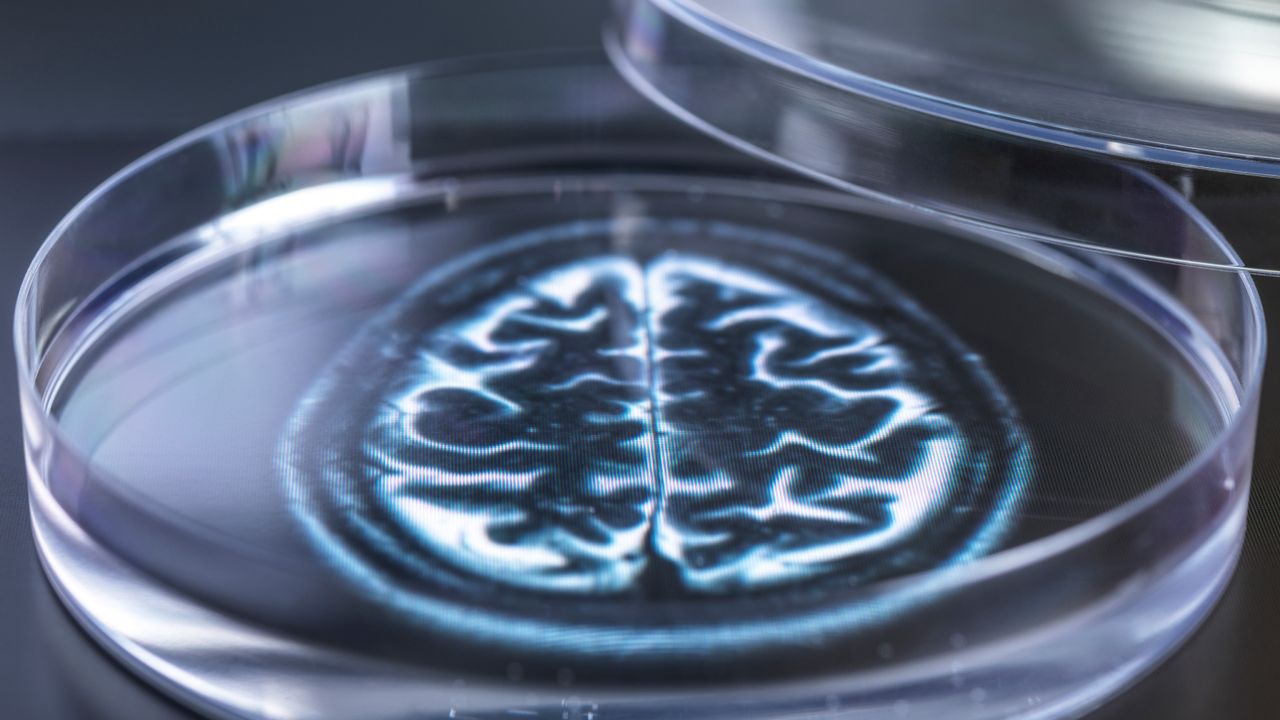
A debate is stewing around miniature models of the human brain.

These small 3D conglomerates of tissue, grown from stem cells and known as brain organoids, are still fairly simple. They are typically made to resemble just one part of the brain, although they can be combined in “assembloids” that capture more than one region. And recently, scientists have developed ways to grow additional types of cells within organoids, more accurately capturing the cell-to-cell interactions seen in a real brain.

Even with these advancements, some scientists argue organoids lack the complexity required to give rise to consciousness — roughly defined as a state of being aware of oneself, the ability to sense the world around you or the ability to experience feelings or sensations.


You may like

Other scientists, however, say organoids could be on the brink of consciousness, and we are not prepared for that eventuality.

In a perspective piece published Sept. 12, these scientists argued that the field needs to seriously consider the possibility of these organoids gaining consciousness, and soon. That possibility would shape the regulations around how and why organoids are grown and how they’re handled in the lab.

Some experts told Live Science that they think it would be morally fraught to experiment with conscious organoids without considering their welfare. Some think it would be fine to experiment with them, given we do studies with conscious entities already — namely, animals. Perhaps we could apply similar regulations to organoid research that we do for lab-animal studies, they suggested.

What do you think? If brain organoids gained consciousness, could we ethically experiment on them, or would we be better off abandoning the venture? Take the poll below, and let us know your thoughts in the comments.

—Could mini space-grown organs be our ‘cancer moonshot’?

—Scientists just grew the 1st-ever ‘minibrains’ from multiple people’s cells

—‘We can’t answer these questions’: Neuroscientist Kenneth Kosik on whether lab-grown brains will achieve consciousness

Source link

Share. Facebook Twitter Pinterest LinkedIn Tumblr Email
Previous ArticleKeith Olbermann calls Stephen A. Smith ‘f—ing idiot’ over Kimmel remarks
Next Article For years, Sandra Birchmore trusted the police detective now accused of killing her
Editor
  • Website

Related Posts

Lifestyle

Humanoid robots have outpaced human runners in the half-marathon, beating the world record ‪—‬ here are the secrets to this astonishing feat

May 1, 2026
Lifestyle

Google AI breakthrough means chatbots use six times less memory during conversations without compromising performance

May 1, 2026
Lifestyle

ZWO Seestar S30 Pro smart telescope review

May 1, 2026
Add A Comment

Comments are closed.

Categories
  • Entertainment
  • Lifestyle
  • News
  • Sports
  • Tech
  • Travel
Recent Posts
  • Humanoid robots have outpaced human runners in the half-marathon, beating the world record ‪—‬ here are the secrets to this astonishing feat
  • Google AI breakthrough means chatbots use six times less memory during conversations without compromising performance
  • ZWO Seestar S30 Pro smart telescope review
  • Doctors partially delivered a baby at 25 weeks to perform a lifesaving surgery and then returned him to the womb
  • Poop-encrusted chamber pots from the Roman Empire reveal oldest known human cases of Crypto parasite
calendar
May 2026
M T W T F S S
 123
45678910
11121314151617
18192021222324
25262728293031
« Apr    
Recent Posts
  • Humanoid robots have outpaced human runners in the half-marathon, beating the world record ‪—‬ here are the secrets to this astonishing feat
  • Google AI breakthrough means chatbots use six times less memory during conversations without compromising performance
  • ZWO Seestar S30 Pro smart telescope review
About

Welcome to Baynard Media, your trusted source for a diverse range of news and insights. We are committed to delivering timely, reliable, and thought-provoking content that keeps you informed
and inspired

Categories
  • Entertainment
  • Lifestyle
  • News
  • Sports
  • Tech
  • Travel
Facebook X (Twitter) Pinterest WhatsApp
  • Contact Us
  • About Us
  • Privacy Policy
  • Disclaimer
  • UNSUBSCRIBE
© 2026 copyrights reserved

Type above and press Enter to search. Press Esc to cancel.