Close Menu
  • Home
  • UNSUBSCRIBE
  • News
  • Lifestyle
  • Tech
  • Entertainment
  • Sports
  • Travel
Facebook X (Twitter) WhatsApp
Trending
  • Weapons of the world quiz: Can you identify these historical objects of war?
  • ‘The detectors never stopped beeping!’ Nearly 3,000 coins discovered in field are Norway’s largest Viking hoard on record
  • ‘We can no longer ignore diseases in the deep human past’: Malaria influenced early humans’ migrations across Africa, study suggests
  • Used SpaceX rocket stage could hit the moon’s Einstein crater this summer, report finds
  • Does Wegovy carry a risk of ‘eye stroke’ and vision loss? Here’s what the data says.
  • Heartbeats physically stop cardiac cancer from growing — hinting that ‘squeezing’ tumors could be a good way to thwart them
  • Gone in 9 seconds: Claude AI deletes an entire company’s database, then confesses
  • ‘It cuts both ways’: Positive tipping points can restore wreaked ecosystems — we just need to trigger them, Earth system scientist Tim Lenton says
Facebook X (Twitter) WhatsApp
Baynard Media
  • Home
  • UNSUBSCRIBE
  • News
  • Lifestyle
  • Tech
  • Entertainment
  • Sports
  • Travel
Baynard Media
Home»Lifestyle»Final ‘planet parade’ of 2025 rises Sunday: How to see the full 6-planet show.
Lifestyle

Final ‘planet parade’ of 2025 rises Sunday: How to see the full 6-planet show.

EditorBy EditorAugust 12, 2025No Comments2 Mins Read
Share Facebook Twitter Pinterest LinkedIn Tumblr Reddit Telegram Email
Share
Facebook Twitter LinkedIn Pinterest Email

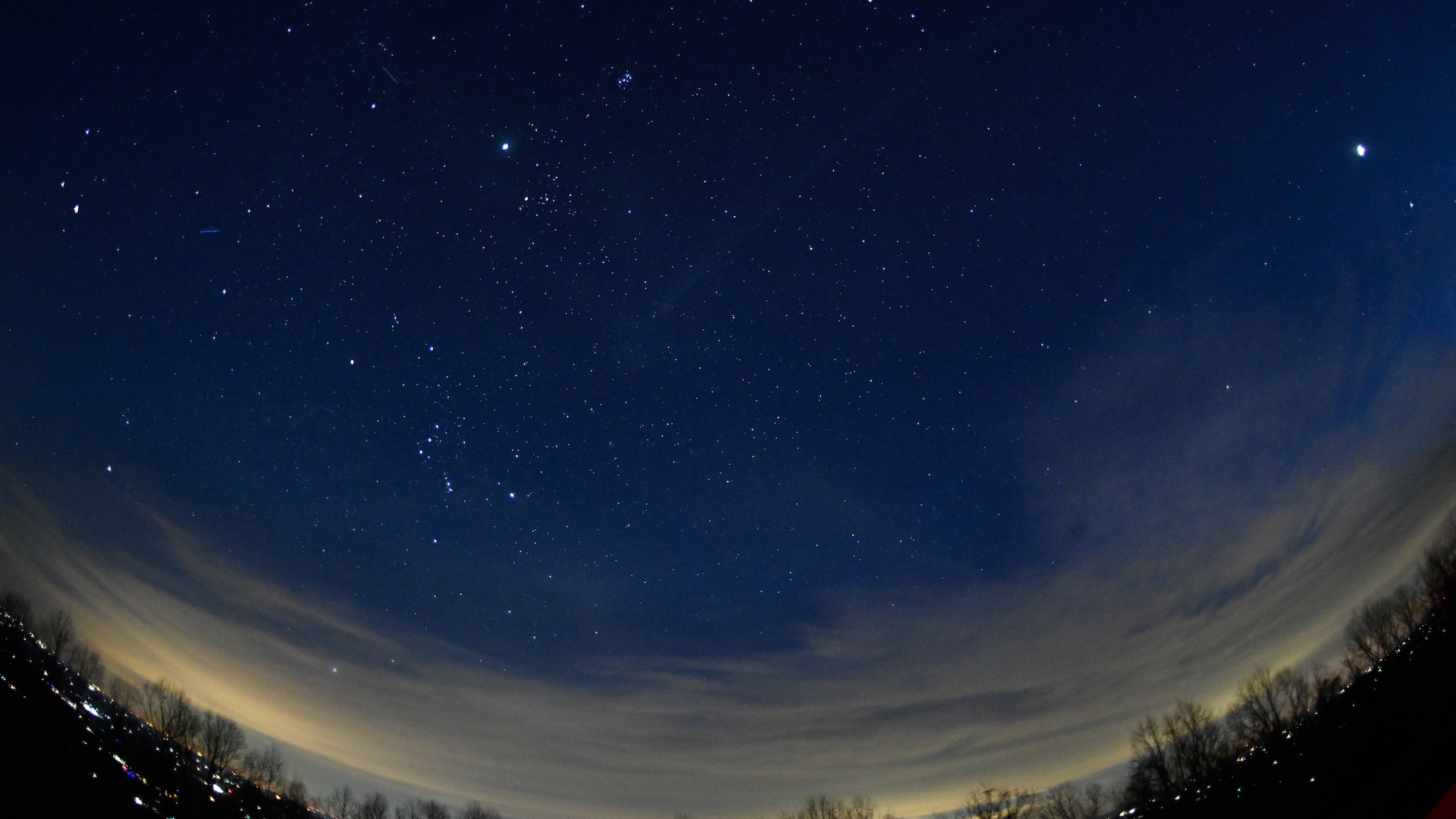
Six planets — Mercury, Venus, Jupiter, Saturn, Uranus and Neptune — will appear in a dark night sky together for almost a week, beginning Sunday, Aug. 17. The fairly rare “planetary parade,” which is sometimes mistakenly called a planetary alignment, will continue through Wednesday, Aug. 20.

The celestial gathering, last seen in February, will appear in the eastern sky about an hour before sunrise. Although most of these planets have been visible in the morning sky for weeks, Mercury will join the fray, bringing the planet count from five to six.

Under clear skies, you should be able to spot Venus, Jupiter and Saturn. Mercury will be closer to the horizon but still bright enough to be seen by most observers. However, Uranus (appearing between Jupiter and Saturn in the sky) and Neptune (close to Saturn in the sky) are too dim and distant to be seen with the naked eye. The only way to see these two ice giants is by using a good telescope.


You may like

Although it’s relatively rare for six planets to appear in the sky simultaneously, the beauty of the view will be vastly increased by the waning crescent moon.

Related: How to photograph the moon: Tips on camera gear, settings and composition

On Aug. 17 and Aug. 18, a crescent moon will rise above Jupiter and Venus. The two brightest planets in the night sky are now slowly moving apart after an incredibly close conjunction on Aug. 12.

Mercury may be visible below Jupiter and Venus, but it will be easier to see it on Aug. 19. On that morning, and on Aug. 20, a slim crescent moon will be very close to Jupiter and Venus — a visual highlight of the “planetary parade.”

Get the world’s most fascinating discoveries delivered straight to your inbox.

By around Aug. 21, Mercury will begin to fall back into the sun’s glare and will become more difficult to see.

According to the Star Walk app, there will be two six-planet parades in 2026: one after sunset in February and another before sunrise in August.

Source link

Share. Facebook Twitter Pinterest LinkedIn Tumblr Email
Previous ArticleTrump makes endorsement in Georgia governor’s race
Next Article Inflation report may show consumer prices rising
Editor
  • Website

Related Posts

Lifestyle

Weapons of the world quiz: Can you identify these historical objects of war?

April 30, 2026
Lifestyle

‘The detectors never stopped beeping!’ Nearly 3,000 coins discovered in field are Norway’s largest Viking hoard on record

April 30, 2026
Lifestyle

‘We can no longer ignore diseases in the deep human past’: Malaria influenced early humans’ migrations across Africa, study suggests

April 30, 2026
Add A Comment

Comments are closed.

Categories
  • Entertainment
  • Lifestyle
  • News
  • Sports
  • Tech
  • Travel
Recent Posts
  • Weapons of the world quiz: Can you identify these historical objects of war?
  • ‘The detectors never stopped beeping!’ Nearly 3,000 coins discovered in field are Norway’s largest Viking hoard on record
  • ‘We can no longer ignore diseases in the deep human past’: Malaria influenced early humans’ migrations across Africa, study suggests
  • Used SpaceX rocket stage could hit the moon’s Einstein crater this summer, report finds
  • Does Wegovy carry a risk of ‘eye stroke’ and vision loss? Here’s what the data says.
calendar
April 2026
M T W T F S S
 12345
6789101112
13141516171819
20212223242526
27282930  
« Mar    
Recent Posts
  • Weapons of the world quiz: Can you identify these historical objects of war?
  • ‘The detectors never stopped beeping!’ Nearly 3,000 coins discovered in field are Norway’s largest Viking hoard on record
  • ‘We can no longer ignore diseases in the deep human past’: Malaria influenced early humans’ migrations across Africa, study suggests
About

Welcome to Baynard Media, your trusted source for a diverse range of news and insights. We are committed to delivering timely, reliable, and thought-provoking content that keeps you informed
and inspired

Categories
  • Entertainment
  • Lifestyle
  • News
  • Sports
  • Tech
  • Travel
Facebook X (Twitter) Pinterest WhatsApp
  • Contact Us
  • About Us
  • Privacy Policy
  • Disclaimer
  • UNSUBSCRIBE
© 2026 copyrights reserved

Type above and press Enter to search. Press Esc to cancel.