Close Menu
  • Home
  • UNSUBSCRIBE
  • News
  • Lifestyle
  • Tech
  • Entertainment
  • Sports
  • Travel
Facebook X (Twitter) WhatsApp
Trending
  • Oldest known plague victims found in a 5,500-year-old burial ground in Siberia — and many of them were children
  • ‘This was a pioneering achievement’: Stone Age people put up posts to observe the solstices near Stonehenge long before the stones of sacred site were placed
  • ‘It’s a huge deal’: Archaeologists discover second cannonball from the Battle of the Alamo, and it was likely fired by Texans
  • ‘A mixture from zero to infinity’: Physicists split apart a photon — and ended up with an improbable swarm of particles
  • ‘The system is critically stressed’: San Andreas and San Jacinto faults scarily close to major earthquake, study finds
  • Diagnostic dilemma: Viral infection caused woman not to recognize her own father
  • World’s first functioning nuclear clock could unlock new physics
  • ‘Is having two legs useful’ in space?: Astronaut John McFall explains what life in orbit might be like for the first physically disabled person in space
Facebook X (Twitter) WhatsApp
Baynard Media
  • Home
  • UNSUBSCRIBE
  • News
  • Lifestyle
  • Tech
  • Entertainment
  • Sports
  • Travel
Baynard Media
Home»Lifestyle»Chinese medical practitioners used extremely toxic plant as a topical anesthetic 600 years ago, study finds
Lifestyle

Chinese medical practitioners used extremely toxic plant as a topical anesthetic 600 years ago, study finds

EditorBy EditorMay 26, 2026No Comments4 Mins Read
Share Facebook Twitter Pinterest LinkedIn Tumblr Reddit Telegram Email
Share
Facebook Twitter LinkedIn Pinterest Email

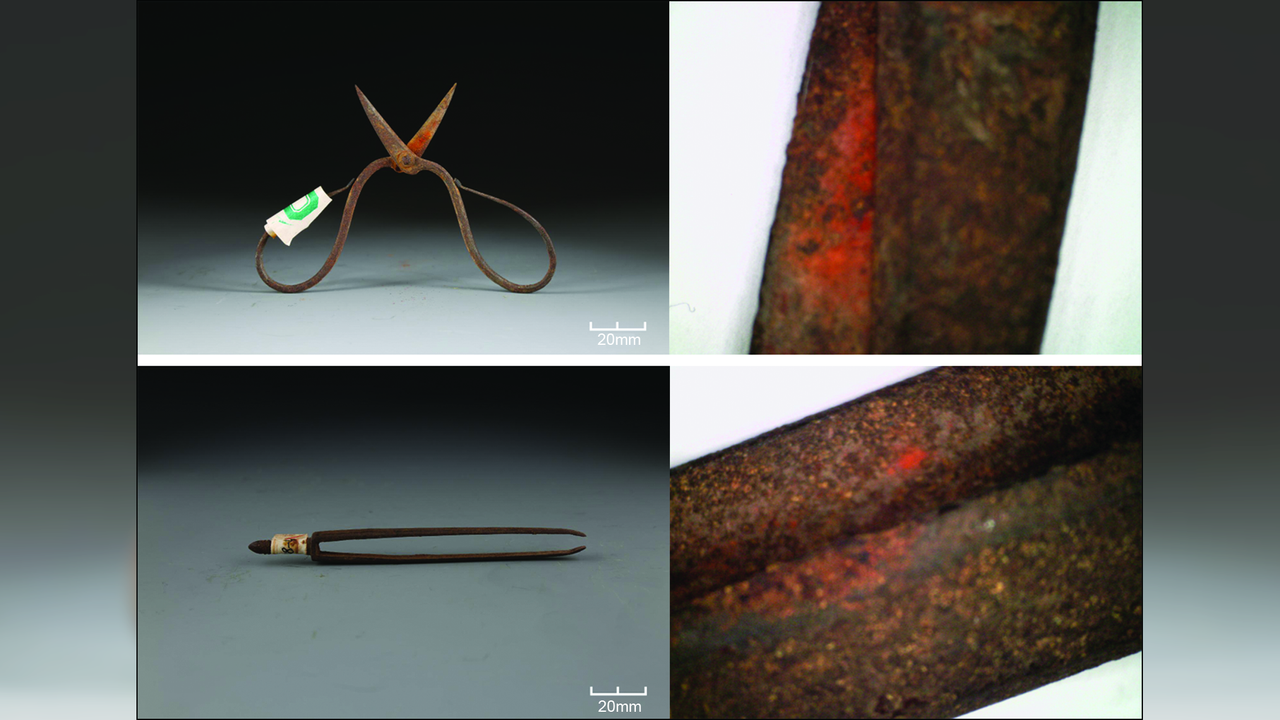
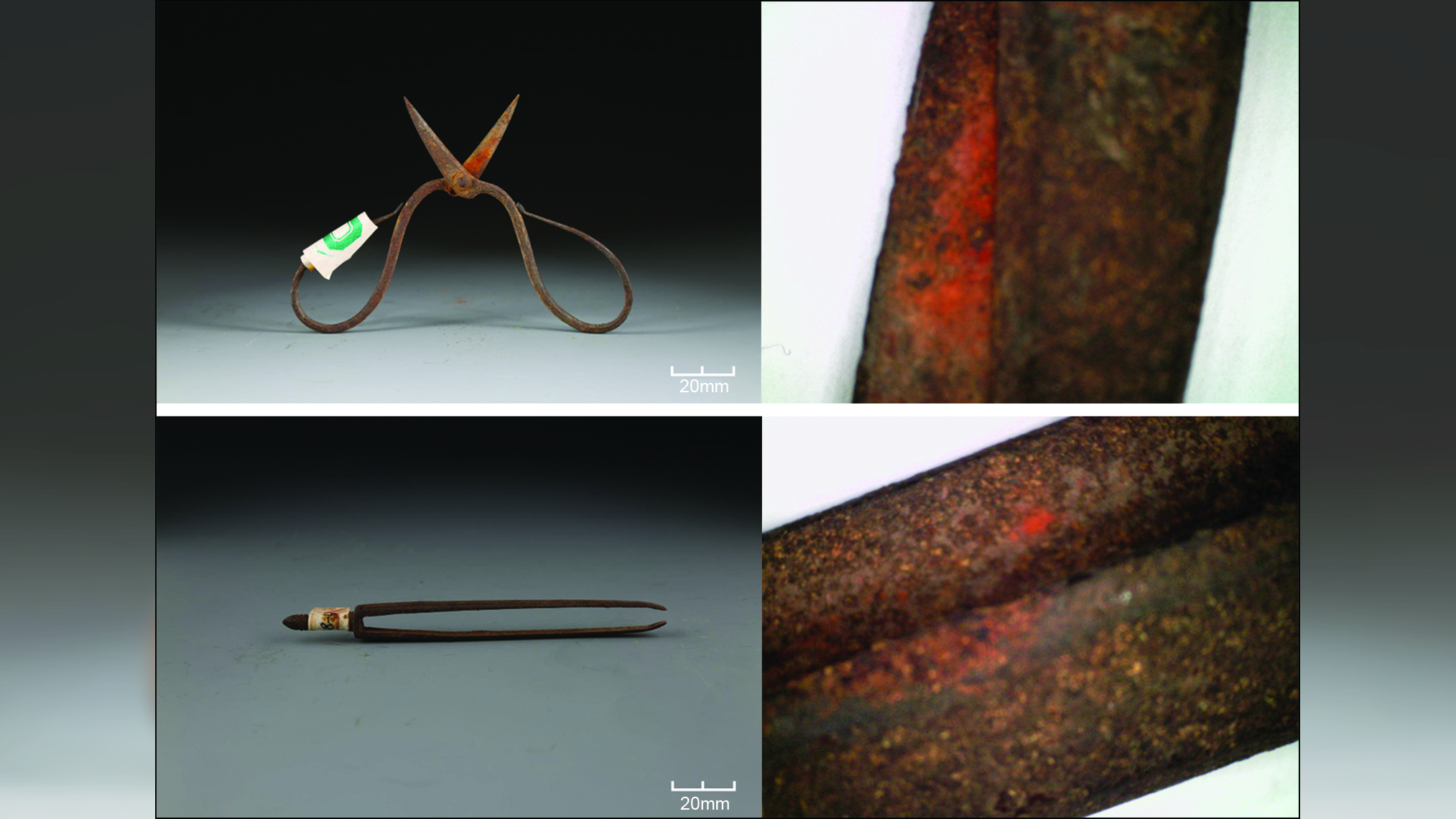
A 600-year-old set of surgical tools found in a tomb in China has revealed the world’s first chemical evidence of a topical anesthetic. Used to numb the skin in surgical procedures, the anesthetic was made from the highly toxic plant Chinese wolfsbane. However, the toxic plant was likely detoxified first with urine, among other things.

“Six centuries ago, a Ming Dynasty surgeon performed an operation with a pair of iron scissors and tweezers, and today we have read the traces of anaesthetic medicine left on those instruments using a beam of laser light,” study co-author Congcang Zhao, an archaeologist at Northwest University in China, said in a statement.

In a study published Tuesday (May 26) in the journal Antiquity, Zhao and colleagues analyzed two surgical implements discovered decades ago in the Ming Dynasty (circa 1368 to 1644) tomb of Xia Quan in the city of Jiangyin, roughly 90 miles (150 kilometers) northwest of Shanghai.


You may like

Based on an X-ray fluorescence analysis, which is a non-destructive technique that reveals the elemental composition of an object, the researchers determined the scissors and tweezers were both made from iron. Then, under a microscope, they selected three tiny particles of rust-colored residue on the tools with the hope of identifying traces of organic compounds.

To figure out the composition of the residue, the researchers used micro-Raman spectroscopy, a technique in which a laser is beamed at a sample, causing the sample’s photons to scatter. The pattern of that scattering can then be analyzed to generate the structural fingerprint of the molecules in the sample.

The Raman spectroscopy analysis of the two surgical tools revealed the presence of the cyano functional group, which is found in hydrogen cyanide, as well as the organic components of oils and fats. Taken together, these results indicated “medicinal and potentially anaesthetic properties for the residues,” the researchers wrote. “The alkaloid toxin aconitine is suggested as a probable component of the residues.”

Aconitine is found in plants of the Aconitum genus, which are native to North America, Europe and Asia. Also known as aconite, monkshood and wolfsbane, the flowering plants are extremely poisonous — but they have also been used in traditional Asian medicine for centuries, primarily for their analgesic properties. Practitioners in the Ming Dynasty knew how to mitigate the plants’ poison, the researchers wrote, by using acidic substances such as mung beans, vinegar or the urine of young boys to detoxify the aconite and turn it into an anesthetic powder or liquid.

Get the world’s most fascinating discoveries delivered straight to your inbox.

“Ming physicians used iron surgical instruments and controlled the toxicity of aconitine through topical application, compound prescriptions and strict procedural controls, demonstrating a practical ability to balance drug potency with patient safety,” Zhao said.

The 600-year-old iron implements were likely used in minor surgeries, the researchers noted. First, the practitioner would apply the numbing agent to the area, then use the tweezers to hold the skin and the scissors to trim away the outer layer. Anesthetic residue was present on both tools and was concentrated in functional areas consistent with application during surgery. It’s likely that the anesthetic in this case was in liquid form; it may have splashed onto the iron implements, escaping cleaning and eventually corroding the metal.

This analysis represents the first time that researchers have found direct chemical evidence of anesthetics on ancient surgical tools. “Combined with records of anaesthetic prescriptions in Ming Dynasty medical texts, the study confirms that Aconitum was employed as a topical anaesthetic, safely and precisely applied during surgical procedures,” Zhao said.

Ling, X., Li, J., Zhao, G., Cao, X., Weng, X., Zhang, H., Li, Z., Zhao, C. (2026). Surgical anaesthesia in Ming China: scientific analysis of aconite residues on medical instruments. Antiquity. https://doi.org/10.15184/aqy.2026.10347


Can you guess the diagnosis in these strange medical cases? Find out with our diagnostic dilemma quiz!

Source link

Share. Facebook Twitter Pinterest LinkedIn Tumblr Email
Previous ArticleBead net funerary shroud: A 2,500-year-old beaded veil from Egypt depicting the deceased’s transformation into Osiris
Next Article Doctors may soon be able to check your red blood cells by filming your eyeball
Editor
  • Website

Related Posts

Lifestyle

Oldest known plague victims found in a 5,500-year-old burial ground in Siberia — and many of them were children

June 18, 2026
Lifestyle

‘This was a pioneering achievement’: Stone Age people put up posts to observe the solstices near Stonehenge long before the stones of sacred site were placed

June 18, 2026
Lifestyle

‘It’s a huge deal’: Archaeologists discover second cannonball from the Battle of the Alamo, and it was likely fired by Texans

June 17, 2026
Add A Comment

Comments are closed.

Categories
  • Entertainment
  • Lifestyle
  • News
  • Sports
  • Tech
  • Travel
Recent Posts
  • Oldest known plague victims found in a 5,500-year-old burial ground in Siberia — and many of them were children
  • ‘This was a pioneering achievement’: Stone Age people put up posts to observe the solstices near Stonehenge long before the stones of sacred site were placed
  • ‘It’s a huge deal’: Archaeologists discover second cannonball from the Battle of the Alamo, and it was likely fired by Texans
  • ‘A mixture from zero to infinity’: Physicists split apart a photon — and ended up with an improbable swarm of particles
  • ‘The system is critically stressed’: San Andreas and San Jacinto faults scarily close to major earthquake, study finds
calendar
June 2026
M T W T F S S
1234567
891011121314
15161718192021
22232425262728
2930  
« May    
Recent Posts
  • Oldest known plague victims found in a 5,500-year-old burial ground in Siberia — and many of them were children
  • ‘This was a pioneering achievement’: Stone Age people put up posts to observe the solstices near Stonehenge long before the stones of sacred site were placed
  • ‘It’s a huge deal’: Archaeologists discover second cannonball from the Battle of the Alamo, and it was likely fired by Texans
About

Welcome to Baynard Media, your trusted source for a diverse range of news and insights. We are committed to delivering timely, reliable, and thought-provoking content that keeps you informed
and inspired

Categories
  • Entertainment
  • Lifestyle
  • News
  • Sports
  • Tech
  • Travel
Facebook X (Twitter) Pinterest WhatsApp
  • Contact Us
  • About Us
  • Privacy Policy
  • Disclaimer
  • UNSUBSCRIBE
© 2026 copyrights reserved

Type above and press Enter to search. Press Esc to cancel.