Close Menu
  • Home
  • UNSUBSCRIBE
  • News
  • Lifestyle
  • Tech
  • Entertainment
  • Sports
  • Travel
Facebook X (Twitter) WhatsApp
Trending
  • Science news this week: PCOS has a new name, Neanderthals were the world’s oldest dentists, and the first nuclear bomb explosion spawned an ‘alien’ crystal
  • Newly discovered, blue-whale-size asteroid will fly super close to Earth Monday — and you can watch it live
  • Don Juan Pond: Antarctica’s salty, syrupy lake that never freezes, even when it’s minus 58 F
  • Withings ScanWatch 2 review: Style meets next-level health monitoring
  • AI Chatbots are turbo-charging violence against women and girls: We urgently need to regulate them | Yvonne McDermott Rees
  • ‘The biggest El Niño event since the 1870s’: ‘Super’ El Niño is now the most likely scenario by the end of this year ‪—‬ and the humanitarian cost could be huge
  • Antarctica’s sudden sea ice loss is one of the most extreme and confusing events in the modern climate record. Scientists now know why it’s happening.
  • ‘I heard gasps’: Artemis II astronauts reveal inside story of their mind-bending solar eclipse
Facebook X (Twitter) WhatsApp
Baynard Media
  • Home
  • UNSUBSCRIBE
  • News
  • Lifestyle
  • Tech
  • Entertainment
  • Sports
  • Travel
Baynard Media
Home»Lifestyle»‘Breathing’ magma cap inside Yellowstone supervolcano keeps lid on potential eruption, study suggests
Lifestyle

‘Breathing’ magma cap inside Yellowstone supervolcano keeps lid on potential eruption, study suggests

EditorBy EditorApril 25, 2025No Comments3 Mins Read
Share Facebook Twitter Pinterest LinkedIn Tumblr Reddit Telegram Email
Share
Facebook Twitter LinkedIn Pinterest Email

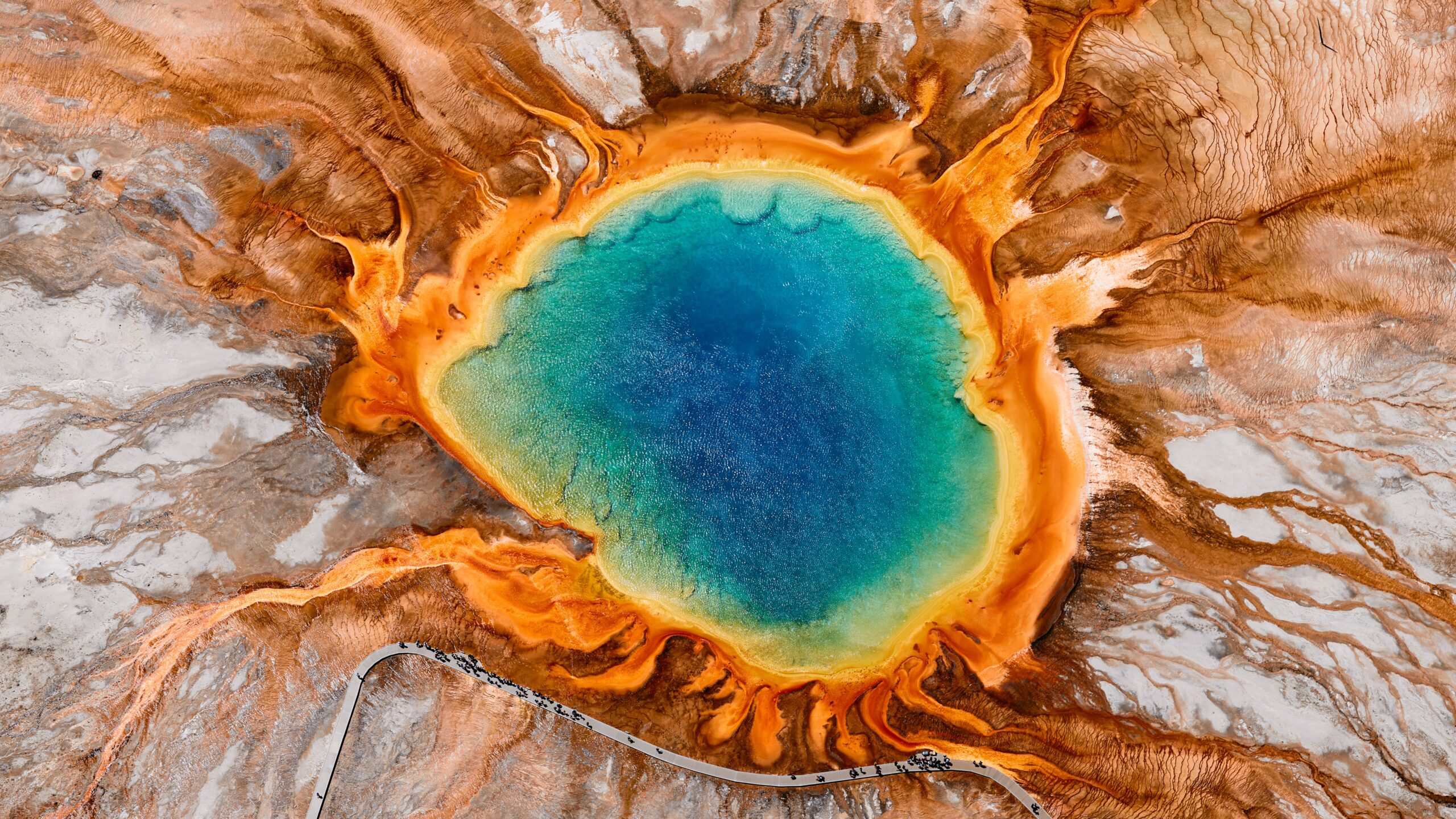
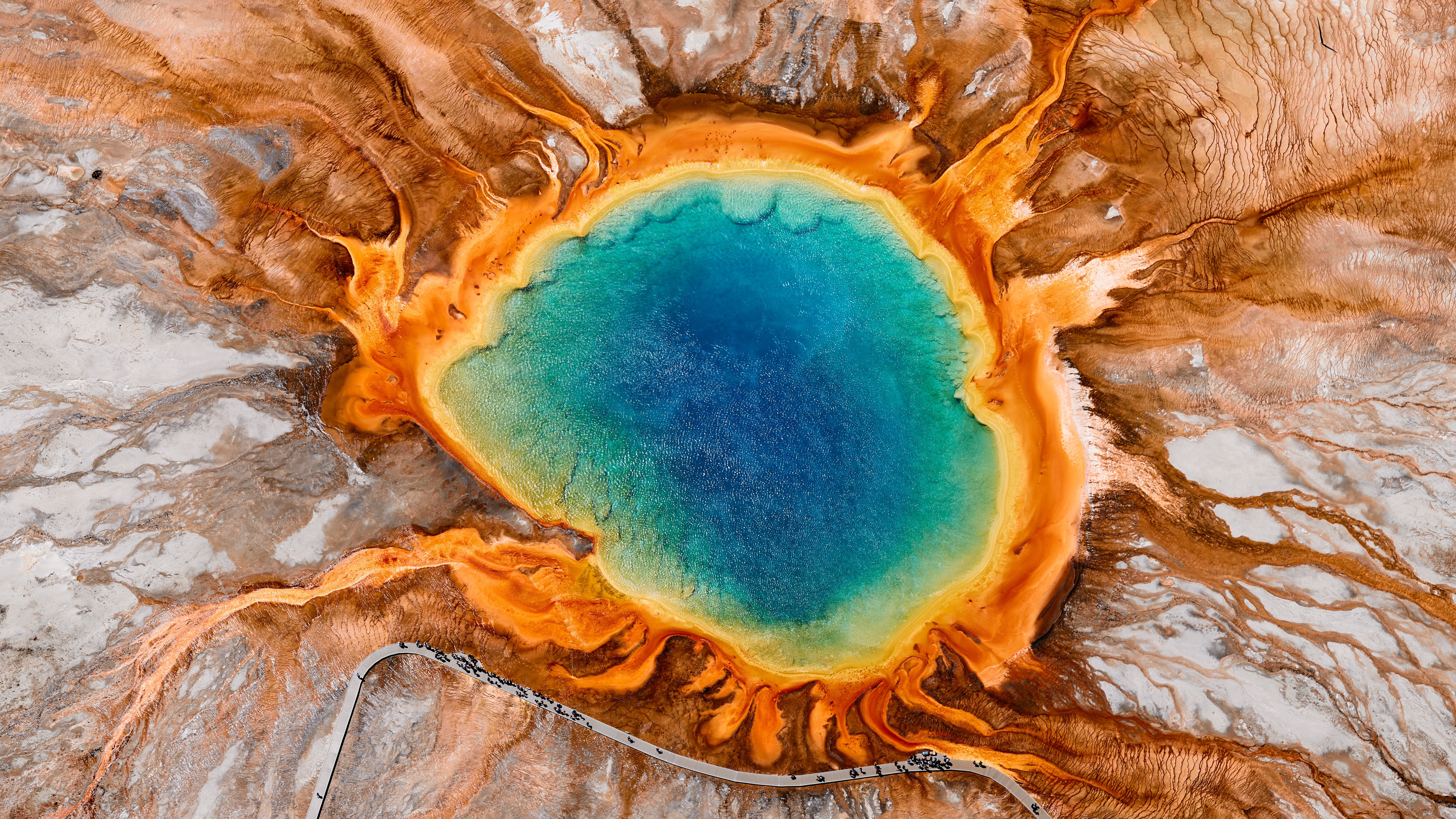
A “breathing” cap of magma has been discovered inside the Yellowstone supervolcano, and it might help determine when the volcano will next erupt, a new study has found.

Yellowstone hasn’t had a major eruption for hundreds of thousands of years, but it’s still very much an active system. This newly discovered cap, which is 2.6 miles (3.8 kilometers) below the surface, acts like a lid, according to a recent statement. Not only does this lid trap a significant amount of heat and pressure inside, but it also appears to be porous enough to steadily release some of that pressure, so the whole system doesn’t blow.

Discovering the cap gives researchers a better understanding of where Yellowstone’s magma begins, along with fresh insights into the nature of this ancient volcanic system. The researchers published their findings April 16 in the journal Nature.

“For decades, we’ve known there’s magma beneath Yellowstone, but the exact depth and structure of its upper boundary has been a big question,” study co-author Brandon Schmandt, a professor of earth, environmental and planetary sciences at Rice University, said in the statement. “What we’ve found is that this reservoir hasn’t shut down — it’s been sitting there for a couple million years, but it’s still dynamic.”

Related: We finally know where the Yellowstone volcano will erupt next

Yellowstone is one of the world’s largest volcanic systems. The volcano has blown big on three occasions in the last 2.1 million years — the most recent was 640,000 years ago and covered 2,900 square miles (7,500 square kilometers). Researchers aren’t expecting Yellowstone to erupt again for many thousands of years, and there’s no guarantee it’ll ever have another catastrophic eruption like those in the past. However, volcanic eruptions are difficult to predict, and scientists still have a lot to learn about the Yellowstone system.

Schmandt and his colleagues focused their new research on the northeastern part of the caldera, where previous studies have suggested the next eruption could come. To identify the depth of the top of the magma system, the team used a 53,000-pound (24,000 kilograms) vibroseis truck. These trucks generate tiny earthquakes that send seismic waves into the ground, which then reflect off different layers in the Earth. Researchers then recorded when the reflected waves returned to the surface, according to the statement.

Get the world’s most fascinating discoveries delivered straight to your inbox.

Once they had the depth, the team used computer models to determine that the cap layer was most likely made up of molten minerals and supercritical water bubbles within a porous rock. Bubbles accumulating in a volcanic system can increase pressure and may help trigger eruptions. However, in Yellowstone, the researchers found that the bubbles are rising and then escaping through the porous cap, thus releasing the pressure and lowering the risk of an eruption. Schmandt compared this system to “steady breathing.”

“Although we detected a volatile-rich layer, its bubble and melt contents are below the levels typically associated with imminent eruption,” Schmandt said. “Instead, it looks like the system is efficiently venting gas through cracks and channels between mineral crystals, which makes sense to me given Yellowstone’s abundant hydrothermal features emitting magmatic gases.”

Source link

Share. Facebook Twitter Pinterest LinkedIn Tumblr Email
Previous ArticleAcne vaccine: Experimental shot for common skin condition reaches clinical trials. Here’s what you need to know.
Next Article Microplastics have been in ‘pristine streams’ for half a century — what could that mean for human health?
Editor
  • Website

Related Posts

Lifestyle

Science news this week: PCOS has a new name, Neanderthals were the world’s oldest dentists, and the first nuclear bomb explosion spawned an ‘alien’ crystal

May 16, 2026
Lifestyle

Newly discovered, blue-whale-size asteroid will fly super close to Earth Monday — and you can watch it live

May 16, 2026
Lifestyle

Don Juan Pond: Antarctica’s salty, syrupy lake that never freezes, even when it’s minus 58 F

May 16, 2026
Add A Comment

Comments are closed.

Categories
  • Entertainment
  • Lifestyle
  • News
  • Sports
  • Tech
  • Travel
Recent Posts
  • Science news this week: PCOS has a new name, Neanderthals were the world’s oldest dentists, and the first nuclear bomb explosion spawned an ‘alien’ crystal
  • Newly discovered, blue-whale-size asteroid will fly super close to Earth Monday — and you can watch it live
  • Don Juan Pond: Antarctica’s salty, syrupy lake that never freezes, even when it’s minus 58 F
  • Withings ScanWatch 2 review: Style meets next-level health monitoring
  • AI Chatbots are turbo-charging violence against women and girls: We urgently need to regulate them | Yvonne McDermott Rees
calendar
May 2026
M T W T F S S
 123
45678910
11121314151617
18192021222324
25262728293031
« Apr    
Recent Posts
  • Science news this week: PCOS has a new name, Neanderthals were the world’s oldest dentists, and the first nuclear bomb explosion spawned an ‘alien’ crystal
  • Newly discovered, blue-whale-size asteroid will fly super close to Earth Monday — and you can watch it live
  • Don Juan Pond: Antarctica’s salty, syrupy lake that never freezes, even when it’s minus 58 F
About

Welcome to Baynard Media, your trusted source for a diverse range of news and insights. We are committed to delivering timely, reliable, and thought-provoking content that keeps you informed
and inspired

Categories
  • Entertainment
  • Lifestyle
  • News
  • Sports
  • Tech
  • Travel
Facebook X (Twitter) Pinterest WhatsApp
  • Contact Us
  • About Us
  • Privacy Policy
  • Disclaimer
  • UNSUBSCRIBE
© 2026 copyrights reserved

Type above and press Enter to search. Press Esc to cancel.