Close Menu
  • Home
  • UNSUBSCRIBE
  • News
  • Lifestyle
  • Tech
  • Entertainment
  • Sports
  • Travel
Facebook X (Twitter) WhatsApp
Trending
  • ‘There are 4 people in those pixels’: Earth-based telescope snapped Artemis II crew orbiting the moon
  • High-status Roman woman was buried in a lead coffin with jet hairpins and exotic resins, archaeologists find
  • Dreame FP10 Air Purifier review: Pet-friendly and low-maintenance
  • ‘Extreme’ crystal that formed in 1945 nuclear bomb test is unlike anything scientists have seen
  • New analysis finds ‘deep genetic links’ between Homo erectus and modern humans, raising the ‘question of whether we know what Homo erectus even is’
  • Sony FE 200-600mm f/5.6-6.3 G OSS review
  • Remnants of ancient galaxy called ‘Loki’ found inside the Milky Way
  • ‘Exceptional’ drilled tooth reveals Neanderthals practiced dentistry in Siberia 60,000 years ago
Facebook X (Twitter) WhatsApp
Baynard Media
  • Home
  • UNSUBSCRIBE
  • News
  • Lifestyle
  • Tech
  • Entertainment
  • Sports
  • Travel
Baynard Media
Home»Lifestyle»Yup’ik masks: Carvings depicting distorted spirits’ faces dreamed up by shamans in Alaska
Lifestyle

Yup’ik masks: Carvings depicting distorted spirits’ faces dreamed up by shamans in Alaska

EditorBy EditorMarch 3, 2025No Comments3 Mins Read
Share Facebook Twitter Pinterest LinkedIn Tumblr Reddit Telegram Email
Share
Facebook Twitter LinkedIn Pinterest Email

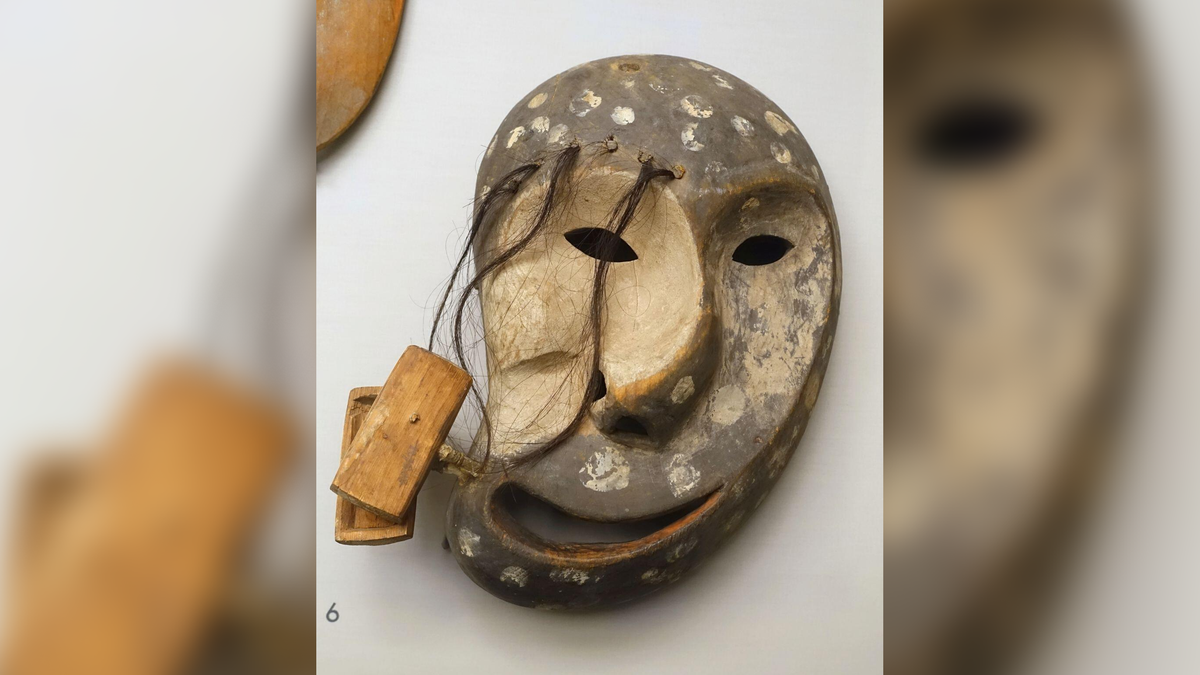
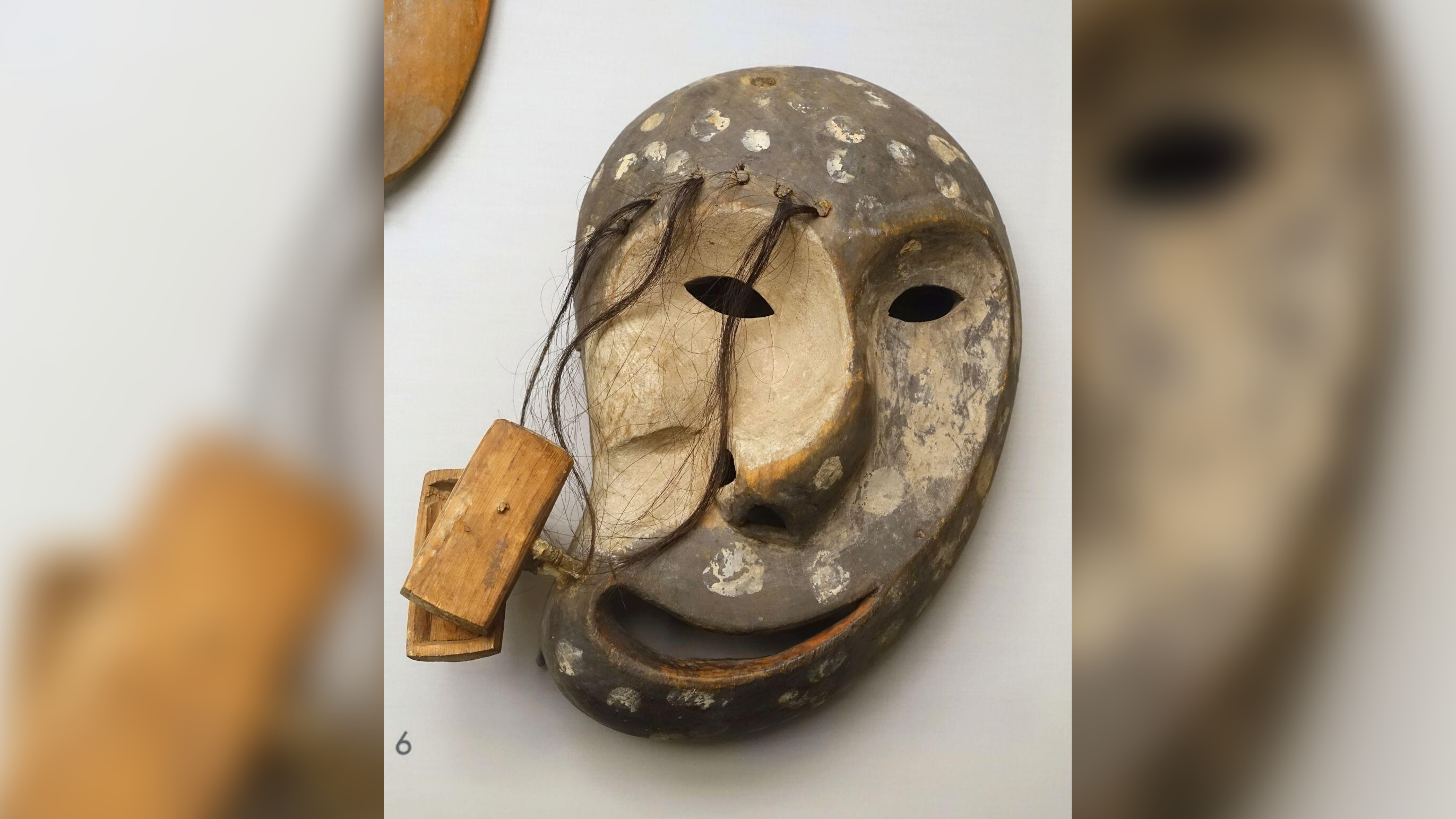
Name: Yup’ik spirit mask

What it is: A decorated mask carved from driftwood

Where it is from: Southwestern Alaska

When it was made: These masks date to at least the 16th century; the one photographed above dates to 1885.

Related: Croesus stater: The 2,500-year-old coin that introduced the gold standard

What it tells us about the past:

The Yup’ik people, whose ancestors arrived in southwestern Alaska around 800 years ago, are known for their elaborate and often-fantastical-looking masks. But this artistic tradition was nearly eradicated in the late 1700s, as Russian missionaries likened the masks and their associated ceremonies to witchcraft.

Get the world’s most fascinating discoveries delivered straight to your inbox.

Yup’ik masks vary dramatically in size and shape, anthropologist Dorothy Jean Ray wrote in her 1967 book “Eskimo Masks: Art and Ceremony,” with some as small as 6 inches (15 centimeters) and others up to 4 feet (1.2 meters) long. These masks were traditionally carved from spruce driftwood found along the coast, with natural fibers added for movement — undulating feathers of the sea duck, rawhide or baleen for appendages, or human or caribou hair blowing in the wind. Color was added from natural pigments, such as white fingerprint dots created from white clay.

The first historic reference to Yup’ik masks was in a Russian traveler’s diary written between 1764 and 1766, in which the man described the Yup’ik dancing in the nude while wearing masks.

Masks were an essential part of Yup’ik religious practice, according to Ray, and no two were alike. Typically, the Yup’ik shaman would commission a skilled carver to create a mask based on a dream or vision. Villagers then wore these masks during dances and festivals, such as whaling and caribou ceremonies connected to hunting practices.

Each mask represented a particular spirit and was a part of a larger story woven by the shaman, who was the interpreter of the world’s unknown forces. Highly distorted, human-face-like masks were often used to represent other mythological beings; an upturned mouth represented male beings, while a downturned mouth represented female beings.

MORE ASTONISHING ARTIFACTS

By the late 1700s, according to Ray, Russian priests and missionaries reportedly destroyed as many Yup’ik masks as they could find in their zeal to convert the Indigenous people to Christianity. Some masks survived, only to be collected by American naturalist Edward W. Nelson beginning in 1877 and shipped to museums in North America and Europe.

It is unclear how old the practice of Yup’ik mask making is, as the custom following their use in a ceremony was to dispose of the masks in the tundra or burn them, according to Yup’ik culture bearers. But archaeologists found evidence of masks dating to the 16th century at a prehistoric site in the village of Quinhagak near the Bering Sea.

Although Yup’ik mask making was demonized by missionaries in the 17th and 18th centuries, the practice is being revitalized today as local community members reclaim their precolonial practices.

Source link

Share. Facebook Twitter Pinterest LinkedIn Tumblr Email
Previous ArticleWatch live: Trump makes investment announcement
Next Article Amid community outcry, ICE releases statement on arrests of NJ restaurant owners Emine and Celal Emanet
Editor
  • Website

Related Posts

Lifestyle

‘There are 4 people in those pixels’: Earth-based telescope snapped Artemis II crew orbiting the moon

May 14, 2026
Lifestyle

High-status Roman woman was buried in a lead coffin with jet hairpins and exotic resins, archaeologists find

May 14, 2026
Lifestyle

Dreame FP10 Air Purifier review: Pet-friendly and low-maintenance

May 14, 2026
Add A Comment

Comments are closed.

Categories
  • Entertainment
  • Lifestyle
  • News
  • Sports
  • Tech
  • Travel
Recent Posts
  • ‘There are 4 people in those pixels’: Earth-based telescope snapped Artemis II crew orbiting the moon
  • High-status Roman woman was buried in a lead coffin with jet hairpins and exotic resins, archaeologists find
  • Dreame FP10 Air Purifier review: Pet-friendly and low-maintenance
  • ‘Extreme’ crystal that formed in 1945 nuclear bomb test is unlike anything scientists have seen
  • New analysis finds ‘deep genetic links’ between Homo erectus and modern humans, raising the ‘question of whether we know what Homo erectus even is’
calendar
May 2026
M T W T F S S
 123
45678910
11121314151617
18192021222324
25262728293031
« Apr    
Recent Posts
  • ‘There are 4 people in those pixels’: Earth-based telescope snapped Artemis II crew orbiting the moon
  • High-status Roman woman was buried in a lead coffin with jet hairpins and exotic resins, archaeologists find
  • Dreame FP10 Air Purifier review: Pet-friendly and low-maintenance
About

Welcome to Baynard Media, your trusted source for a diverse range of news and insights. We are committed to delivering timely, reliable, and thought-provoking content that keeps you informed
and inspired

Categories
  • Entertainment
  • Lifestyle
  • News
  • Sports
  • Tech
  • Travel
Facebook X (Twitter) Pinterest WhatsApp
  • Contact Us
  • About Us
  • Privacy Policy
  • Disclaimer
  • UNSUBSCRIBE
© 2026 copyrights reserved

Type above and press Enter to search. Press Esc to cancel.