Close Menu
  • Home
  • UNSUBSCRIBE
  • News
  • Lifestyle
  • Tech
  • Entertainment
  • Sports
  • Travel
Facebook X (Twitter) WhatsApp
Trending
  • Minneapolis school board hears concerns from American Indian parents
  • Archaeologists discover perfectly circular ancient Egyptian temple that may have been used for sacred water rituals
  • Fox News True Crime Newsletter: Brian Hooker release, Tyler Robinson ATF report
  • County Officials Look to Settle Dog Mauling Lawsuit at OC Animal Care for $450,000
  • Best Countries for Americans to Move to
  • Illegal street racing takeover draws 200 people to Atlanta intersection
  • Trump expected to nominate ousted FEMA chief to lead agency again
  • Some polar bears are adapting to their melting habitat. Will it be enough to save the iconic species?
Facebook X (Twitter) WhatsApp
Baynard Media
  • Home
  • UNSUBSCRIBE
  • News
  • Lifestyle
  • Tech
  • Entertainment
  • Sports
  • Travel
Baynard Media
Home»Lifestyle»Why is this giant desert turning green? Scientists may finally know the answer.
Lifestyle

Why is this giant desert turning green? Scientists may finally know the answer.

EditorBy EditorApril 10, 2025No Comments3 Mins Read
Share Facebook Twitter Pinterest LinkedIn Tumblr Reddit Telegram Email
Share
Facebook Twitter LinkedIn Pinterest Email

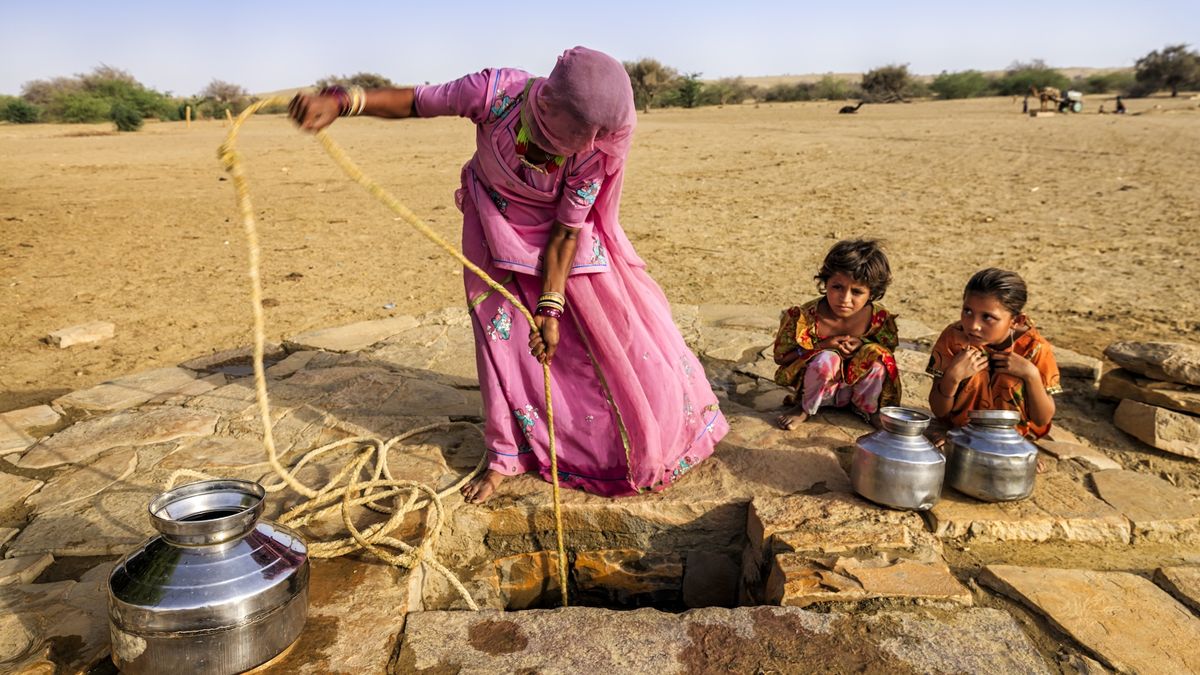
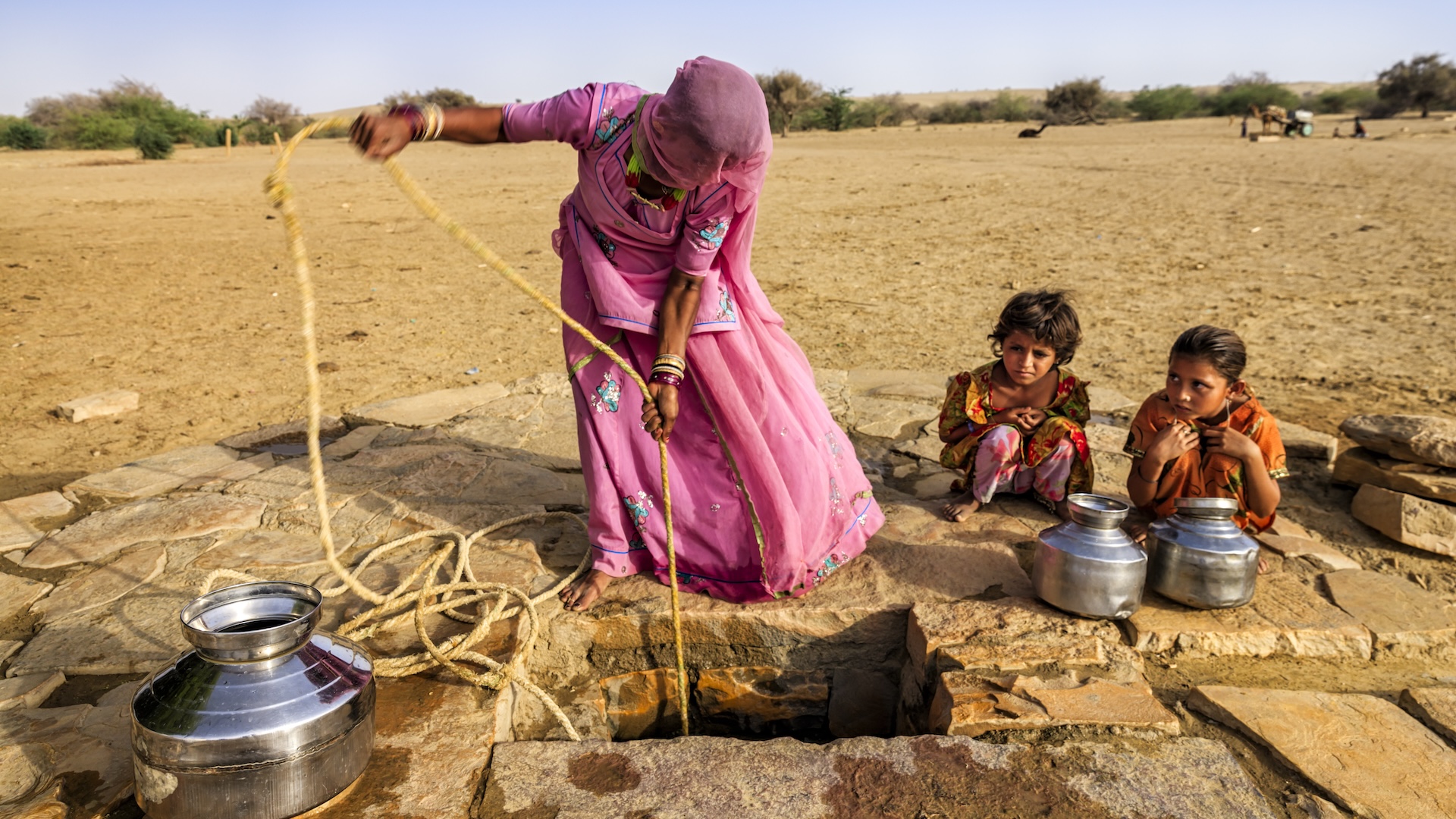
India’s Thar Desert has become 38% greener over the past 20 years, driven by a combination of climate change and agricultural expansion, according to a new study.

The past two decades have seen more people living in this desert and changing the landscape, making it more agricultural and urban, which is part of the reason why the desert has become greener, researchers said. The other piece of the puzzle is climate change, which has caused increasing monsoon precipitation in the region.

The Thar Desert, also called the Great Indian Desert, spans 77,000 square miles (200,000 square kilometers) in northwestern India and southeastern Pakistan. Although many deserts throughout the world are facing worsening droughts, the Thar Desert has become a hub of urban and agricultural growth, making it the most populated desert in the world with more than 16 million residents.

“Increased water and energy availability have led to expansion in agricultural and urban areas with a considerable increase in crop yields in the region,” study co-author Vimal Mishra, a civil engineer at the Indian Institute of Technology Gandhinagar, told Live Science in an email. “There is no other desert in the world that has experienced increases in urbanization, agriculture, and precipitation during the recent period,”

The new study, published April 3 in the journal Cell Reports Sustainability, analyzed satellite data from 2001 to 2023. Mishra and his team found that the desert became, on average, 38% greener during this time, with more vegetation visible in satellite images.

Related: Why are deserts dry?

To understand why exactly greening is happening, the researchers also looked at historical records of population expansion in the Thar Desert, irrigation infrastructure, and climate models.

Get the world’s most fascinating discoveries delivered straight to your inbox.

The findings show the Thar Desert’s greening has been driven primarily by more rain during summer monsoon seasons — a 64% rise in precipitation overall — and secondly by irrigation infrastructure bringing groundwater to the surface outside of the monsoon season.

The authors suggest that sustainable management of water resources in the Thar Desert can help this area adapt and continue to sustain its growing population. However, warmer temperatures may threaten the 16 million people who live in this desert, and overuse of groundwater for irrigation can deplete resources, the researchers noted.

Sustainable water management practices, drought-resistant crops, adaptations to rising heat and renewable energy must all be part of future development in the Thar Desert, the researchers said.

The increased monsoon rainfall could also mean more flooding, as climate models project this increased rainfall will happen in bursts in extreme weather events, which can damage homes and buildings in the desert.

However, if managed and adapted to, the increased rain could also enable people and agriculture to flourish in the region. Researchers behind a separate study projected that even more of the landscape will become green by the end of the 21st century.

This change would boost food security in the region but could threaten the native biodiversity of desert-adapted specialist species and traditional methods of nomadic farming. The scientists warned that the need to preserve these aspects of the desert environment must be taken into consideration as development continues.

Source link

Share. Facebook Twitter Pinterest LinkedIn Tumblr Email
Previous ArticleThe Small Magellanic Cloud is being ripped to shreds, shocking study finds
Next Article ‘Incredible and rare’ sight as endangered whale attacked by 60 orcas in brutal hunt
Editor
  • Website

Related Posts

Lifestyle

Archaeologists discover perfectly circular ancient Egyptian temple that may have been used for sacred water rituals

April 17, 2026
Lifestyle

Best Countries for Americans to Move to

April 17, 2026
Lifestyle

Some polar bears are adapting to their melting habitat. Will it be enough to save the iconic species?

April 17, 2026
Add A Comment

Comments are closed.

Categories
  • Entertainment
  • Lifestyle
  • News
  • Sports
  • Tech
  • Travel
Recent Posts
  • Minneapolis school board hears concerns from American Indian parents
  • Archaeologists discover perfectly circular ancient Egyptian temple that may have been used for sacred water rituals
  • Fox News True Crime Newsletter: Brian Hooker release, Tyler Robinson ATF report
  • County Officials Look to Settle Dog Mauling Lawsuit at OC Animal Care for $450,000
  • Best Countries for Americans to Move to
calendar
April 2026
M T W T F S S
 12345
6789101112
13141516171819
20212223242526
27282930  
« Mar    
Recent Posts
  • Minneapolis school board hears concerns from American Indian parents
  • Archaeologists discover perfectly circular ancient Egyptian temple that may have been used for sacred water rituals
  • Fox News True Crime Newsletter: Brian Hooker release, Tyler Robinson ATF report
About

Welcome to Baynard Media, your trusted source for a diverse range of news and insights. We are committed to delivering timely, reliable, and thought-provoking content that keeps you informed
and inspired

Categories
  • Entertainment
  • Lifestyle
  • News
  • Sports
  • Tech
  • Travel
Facebook X (Twitter) Pinterest WhatsApp
  • Contact Us
  • About Us
  • Privacy Policy
  • Disclaimer
  • UNSUBSCRIBE
© 2026 copyrights reserved

Type above and press Enter to search. Press Esc to cancel.