Close Menu
  • Home
  • UNSUBSCRIBE
  • News
  • Lifestyle
  • Tech
  • Entertainment
  • Sports
  • Travel
Facebook X (Twitter) WhatsApp
Trending
  • ‘We can no longer ignore diseases in the deep human past’: Malaria influenced early humans’ migrations across Africa, study suggests
  • Used SpaceX rocket stage could hit the moon’s Einstein crater this summer, report finds
  • Does Wegovy carry a risk of ‘eye stroke’ and vision loss? Here’s what the data says.
  • Heartbeats physically stop cardiac cancer from growing — hinting that ‘squeezing’ tumors could be a good way to thwart them
  • Gone in 9 seconds: Claude AI deletes an entire company’s database, then confesses
  • ‘It cuts both ways’: Positive tipping points can restore wreaked ecosystems — we just need to trigger them, Earth system scientist Tim Lenton says
  • 1,900-year-old souvenir cup featuring Hadrian’s Wall and Roman forts discovered in Spain
  • First-of-its-kind map of the mouse nose reveals surprises about the sense of smell
Facebook X (Twitter) WhatsApp
Baynard Media
  • Home
  • UNSUBSCRIBE
  • News
  • Lifestyle
  • Tech
  • Entertainment
  • Sports
  • Travel
Baynard Media
Home»Lifestyle»Weird glass in Australia appears to be from giant asteroid impact — but scientists ‘yet to locate the crater’
Lifestyle

Weird glass in Australia appears to be from giant asteroid impact — but scientists ‘yet to locate the crater’

EditorBy EditorSeptember 25, 2025No Comments3 Mins Read
Share Facebook Twitter Pinterest LinkedIn Tumblr Reddit Telegram Email
Share
Facebook Twitter LinkedIn Pinterest Email

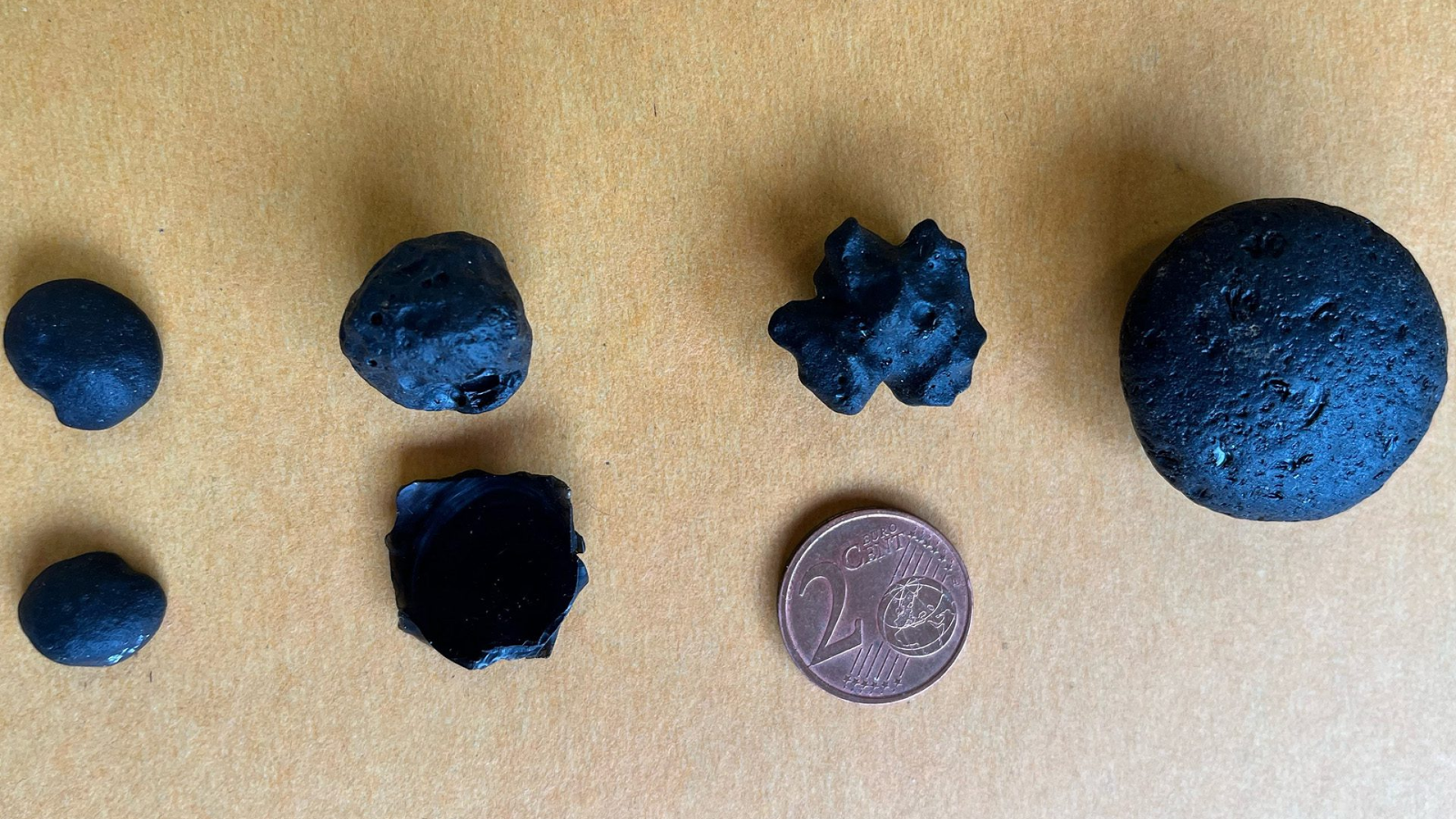
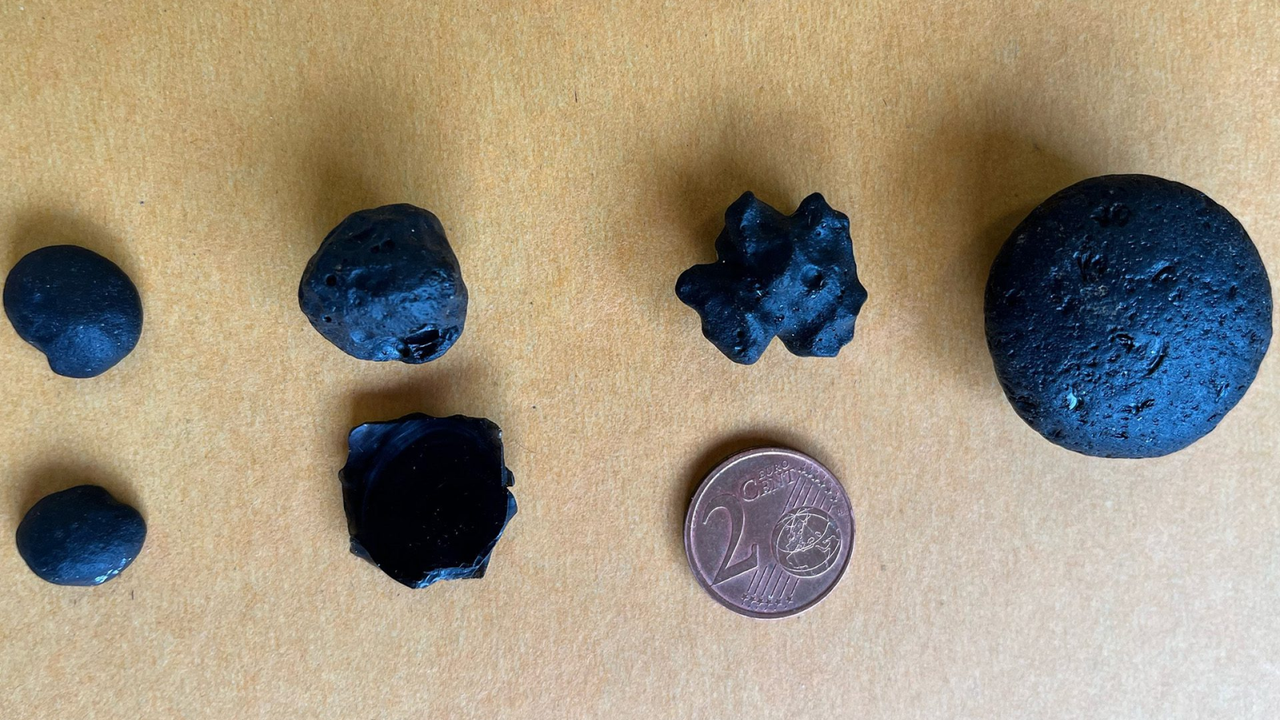
Natural glass found only in Australia could be evidence of an unknown, ancient asteroid impact, researchers say.

A new analysis of impact-created “tektites” points to a powerful collision millions of years ago that hurled debris across southern Australia. Scientists are still looking for the impact crater.

“These glasses are unique to Australia and have recorded an ancient impact event we did not even know about,” study co-author Fred Jourdan, a geochemist at Curtin University in Australia, said in a statement.


You may like

Tektites are naturally formed glasses created when meteorites crash into Earth, throwing melted surface rock in all directions. Most tektites come from one of five major splash zones, including one that spread debris across Australia and southeast Asia nearly 800,000 years ago.

In 1969, researchers studied tektites from this Australasian field. Most of the glasses had similar compositions, but a few appeared older and chemically different from the rest. A 1999 study found that the odd tektites were several million years old — but there was considerable wiggle room in previous estimates, and there wasn’t enough information to determine whether the strange rocks had formed in a different major impact.

Now, in a new study published Aug. 29 in the journal Earth and Planetary Science Letters, scientists measured the densities and magnetic properties of several thousand tektites in the South Australian Museum’s collection, gathered from that region. They brought 417 unusual samples to France where, after further examination, they identified six tektites that had the same chemical makeup as the anomalous tektites that had been studied decades ago.

The team determined that the tektites were different enough in both age and composition from most of the other tektites in the region that they were most likely not formed in the impact that created the Australasian tektite field. Instead, they could be from a previously unidentified impact that occurred nearly 11 million years ago.

Get the world’s most fascinating discoveries delivered straight to your inbox.

“These tiny pieces of glass are like little time capsules from deep in our planet’s history,” Jourdan said.

The team dubbed tektites from this ancient impact “ananguites.” Some of the tektites landed in areas home to the Pitjantjatjara and Yankunytjatjara people, who refer to themselves as Anangu, meaning “human being,” the researchers wrote in the study.

“What makes the discovery even more intriguing is that, although the impact must have been immense, scientists are yet to locate the crater,” Jourdan said. While there aren’t any known craters of the appropriate age nearby, the team proposed some possible sites in the Philippines, Indonesia and Papua New Guinea. In volcanically active areas like Papua New Guinea, the impact crater might have been mistaken for a volcanic feature, or it may have been obscured over the years.

The findings could give scientists a better idea of how often Earth undergoes extreme impacts and could indicate that impacts large enough to produce tektites are more common than previously thought.

“Understanding when and how often large asteroids have struck Earth also helps us assess the risk of future impacts, which is important for planetary defense,” Jourdan said.

Source link

Share. Facebook Twitter Pinterest LinkedIn Tumblr Email
Previous ArticleTrump calls Rep. Jasmine Crockett ‘very low IQ person’ in Oval Office
Next Article Their son was ‘too unstable to function outside of hospital.’ Insurance denied his mental health treatment anyway.
Editor
  • Website

Related Posts

Lifestyle

‘We can no longer ignore diseases in the deep human past’: Malaria influenced early humans’ migrations across Africa, study suggests

April 30, 2026
Lifestyle

Used SpaceX rocket stage could hit the moon’s Einstein crater this summer, report finds

April 30, 2026
Lifestyle

Does Wegovy carry a risk of ‘eye stroke’ and vision loss? Here’s what the data says.

April 29, 2026
Add A Comment

Comments are closed.

Categories
  • Entertainment
  • Lifestyle
  • News
  • Sports
  • Tech
  • Travel
Recent Posts
  • ‘We can no longer ignore diseases in the deep human past’: Malaria influenced early humans’ migrations across Africa, study suggests
  • Used SpaceX rocket stage could hit the moon’s Einstein crater this summer, report finds
  • Does Wegovy carry a risk of ‘eye stroke’ and vision loss? Here’s what the data says.
  • Heartbeats physically stop cardiac cancer from growing — hinting that ‘squeezing’ tumors could be a good way to thwart them
  • Gone in 9 seconds: Claude AI deletes an entire company’s database, then confesses
calendar
April 2026
M T W T F S S
 12345
6789101112
13141516171819
20212223242526
27282930  
« Mar    
Recent Posts
  • ‘We can no longer ignore diseases in the deep human past’: Malaria influenced early humans’ migrations across Africa, study suggests
  • Used SpaceX rocket stage could hit the moon’s Einstein crater this summer, report finds
  • Does Wegovy carry a risk of ‘eye stroke’ and vision loss? Here’s what the data says.
About

Welcome to Baynard Media, your trusted source for a diverse range of news and insights. We are committed to delivering timely, reliable, and thought-provoking content that keeps you informed
and inspired

Categories
  • Entertainment
  • Lifestyle
  • News
  • Sports
  • Tech
  • Travel
Facebook X (Twitter) Pinterest WhatsApp
  • Contact Us
  • About Us
  • Privacy Policy
  • Disclaimer
  • UNSUBSCRIBE
© 2026 copyrights reserved

Type above and press Enter to search. Press Esc to cancel.