Close Menu
  • Home
  • UNSUBSCRIBE
  • News
  • Lifestyle
  • Tech
  • Entertainment
  • Sports
  • Travel
Facebook X (Twitter) WhatsApp
Trending
  • Lake Forest Looks to Develop Vacant Site As Affordable Housing
  • Can the US be trusted with the moon? A law scholar raises concerns after Artemis II’s success.
  • 404 | Fox News
  • Hungary’s new leader takes on the authoritarian state
  • Largest-ever 3D map of the universe shows 47 million galaxies, from the Milky Way to ‘cosmic noon’ — Space photo of the week
  • WWE star Trick Williams ready for WrestleMania debut vs Sami Zayn
  • Black parents are not ‘safety stories.’ We deserve real change
  • Science news this week: Physicists witness faster-than-light darkness pinpricks, humans are still evolving, and some polar bears are getting fatter than ever
Facebook X (Twitter) WhatsApp
Baynard Media
  • Home
  • UNSUBSCRIBE
  • News
  • Lifestyle
  • Tech
  • Entertainment
  • Sports
  • Travel
Baynard Media
Home»Lifestyle»Ursid meteor shower 2024: Where and when to see the final meteor shower of the year
Lifestyle

Ursid meteor shower 2024: Where and when to see the final meteor shower of the year

EditorBy EditorDecember 15, 2024No Comments2 Mins Read
Share Facebook Twitter Pinterest LinkedIn Tumblr Reddit Telegram Email
Share
Facebook Twitter LinkedIn Pinterest Email

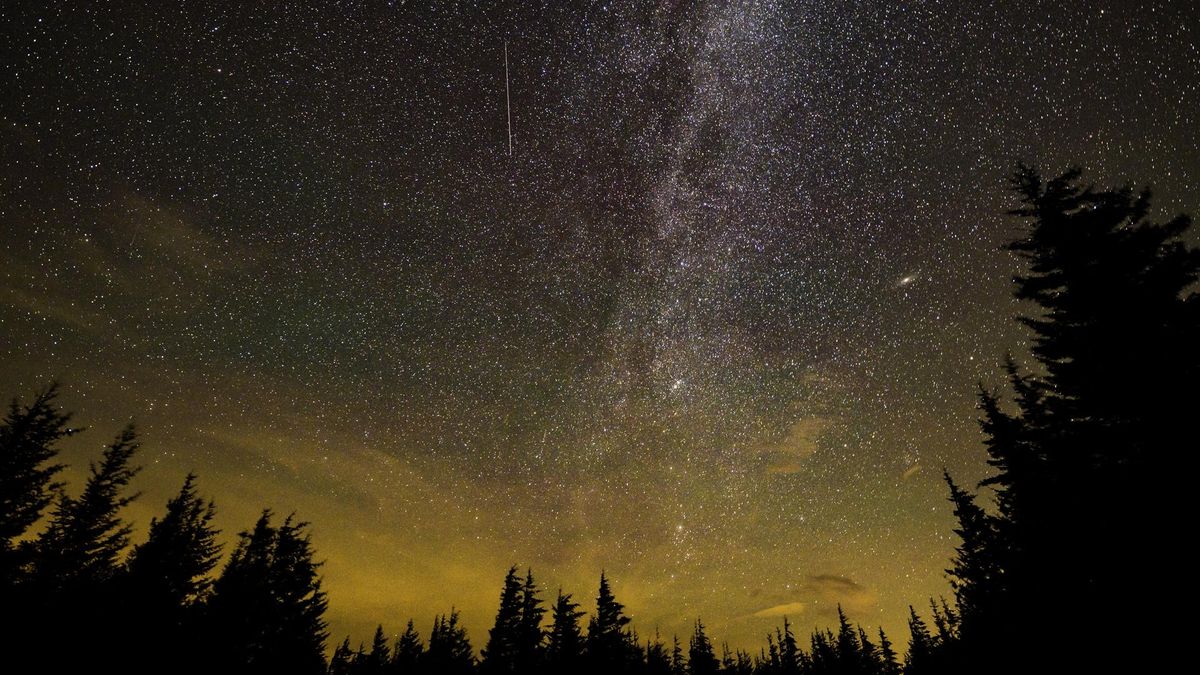
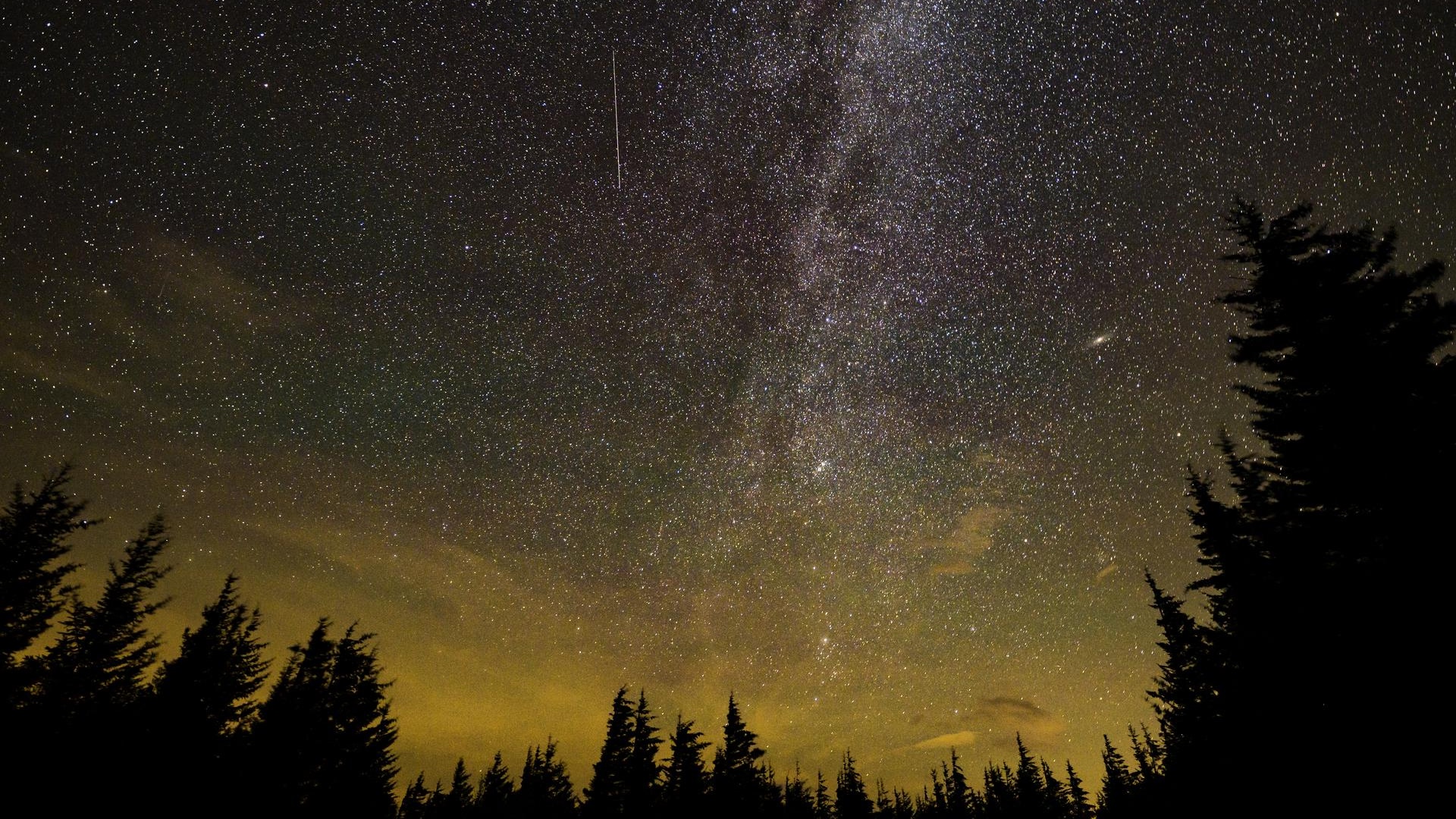
If you missed the peak of the Geminid meteor shower earlier this month, don’t worry — there’s still another chance to catch a “shooting star” display this year. The Ursid meteor shower will peak overnight from Dec. 21-22, right around the winter solstice in the Northern Hemisphere.

Although the Ursids boast fewer meteors per hour than the Geminids, the Ursid meteor shower can produce some bright fireballs that are visible even on moonlit nights. So this meteor shower is still worthwhile, especially when viewed around midnight before moonrise.

This year, the Ursids will be visible from Dec. 17 to 26, peaking on the night of Dec. 21-22 with about 10 meteors per hour, according to EarthSky.org.

Related: ‘Fireball’ meteor discovered hours before exploding above Niagara Falls was the smallest asteroid ever seen

The Ursids are predicted to produce the most activity just before dawn, when the radiant — the point from which the meteors appear to emanate — reaches its highest point during nocturnal hours. The Ursids’ radiant is the constellation Ursa Minor, also known as the Little Dipper. The Little Dipper is circumpolar — meaning it will be visible all night in the Northern Hemisphere — so the Ursids will be visible all night as well.

However, on the night of Dec. 21-22, the moon will be a waning gibbous (between 52% and 62% full) and will reach its highest point in the sky around 6 a.m. local time, threatening to outshine any meteors.

The moon doesn’t start to rise until just before midnight local time, though. So, to get the best views, plan on looking for the Ursids around midnight, when the moon is still low in the sky. To see the most meteors, find a vantage point as far from artificial light as possible. Meteor showers are best viewed with the naked eye — no stargazing binoculars or backyard telescopes necessary.

Get the world’s most fascinating discoveries delivered straight to your inbox.

Like most other meteor showers, the Ursids are caused by comet debris that passes through Earth’s atmosphere. The Ursids’ parent object is Comet 8P/Tuttle, which is about 3 miles (5 kilometers) wide and takes about 13.6 years to orbit the sun.

The first meteor shower of 2025 will be the Quadrantids, peaking on the night of Jan. 2-3.

Source link

Share. Facebook Twitter Pinterest LinkedIn Tumblr Email
Previous ArticleGet Windows 11 Pro for life for only $18
Next Article NJ drone sightings could be a ‘classified exercise’: former CIA officer
Editor
  • Website

Related Posts

Lifestyle

Can the US be trusted with the moon? A law scholar raises concerns after Artemis II’s success.

April 19, 2026
Lifestyle

Largest-ever 3D map of the universe shows 47 million galaxies, from the Milky Way to ‘cosmic noon’ — Space photo of the week

April 19, 2026
Lifestyle

Science news this week: Physicists witness faster-than-light darkness pinpricks, humans are still evolving, and some polar bears are getting fatter than ever

April 19, 2026
Add A Comment

Comments are closed.

Categories
  • Entertainment
  • Lifestyle
  • News
  • Sports
  • Tech
  • Travel
Recent Posts
  • Lake Forest Looks to Develop Vacant Site As Affordable Housing
  • Can the US be trusted with the moon? A law scholar raises concerns after Artemis II’s success.
  • 404 | Fox News
  • Hungary’s new leader takes on the authoritarian state
  • Largest-ever 3D map of the universe shows 47 million galaxies, from the Milky Way to ‘cosmic noon’ — Space photo of the week
calendar
April 2026
M T W T F S S
 12345
6789101112
13141516171819
20212223242526
27282930  
« Mar    
Recent Posts
  • Lake Forest Looks to Develop Vacant Site As Affordable Housing
  • Can the US be trusted with the moon? A law scholar raises concerns after Artemis II’s success.
  • 404 | Fox News
About

Welcome to Baynard Media, your trusted source for a diverse range of news and insights. We are committed to delivering timely, reliable, and thought-provoking content that keeps you informed
and inspired

Categories
  • Entertainment
  • Lifestyle
  • News
  • Sports
  • Tech
  • Travel
Facebook X (Twitter) Pinterest WhatsApp
  • Contact Us
  • About Us
  • Privacy Policy
  • Disclaimer
  • UNSUBSCRIBE
© 2026 copyrights reserved

Type above and press Enter to search. Press Esc to cancel.