Close Menu
  • Home
  • UNSUBSCRIBE
  • News
  • Lifestyle
  • Tech
  • Entertainment
  • Sports
  • Travel
Facebook X (Twitter) WhatsApp
Trending
  • Iran to execute first female protester from 2026 uprising
  • Irvine Officials Deadlock on How to Close Multimillion Dollar Budget Deficits
  • ‘Human evolution didn’t slow down; we were just missing the signal’: Large DNA study reveals natural selection led to more redheads and less male-pattern baldness
  • Trump to be honored by Paramount CEO David Ellison at DC dinner: report
  • CDC warns rotavirus at high levels in the U.S., with life-threatening symptoms for kids
  • Best Countries to Live in: Updated October 2024
  • Swiss hockey coach Patrick Fischer fired over fake COVID vaccine card
  • A mega-bill to rein in ICE in Minnesota heads to the Senate floor
Facebook X (Twitter) WhatsApp
Baynard Media
  • Home
  • UNSUBSCRIBE
  • News
  • Lifestyle
  • Tech
  • Entertainment
  • Sports
  • Travel
Baynard Media
Home»Lifestyle»Turkey vulture: The bird that vomits acid up to 10 feet and poops antiseptic onto its legs
Lifestyle

Turkey vulture: The bird that vomits acid up to 10 feet and poops antiseptic onto its legs

EditorBy EditorJanuary 11, 2025No Comments2 Mins Read
Share Facebook Twitter Pinterest LinkedIn Tumblr Reddit Telegram Email
Share
Facebook Twitter LinkedIn Pinterest Email

Name: Turkey vulture (Cathartes aura)

Where it lives: Southern Canada to southernmost South America

What it eats: The carcasses of dead animals

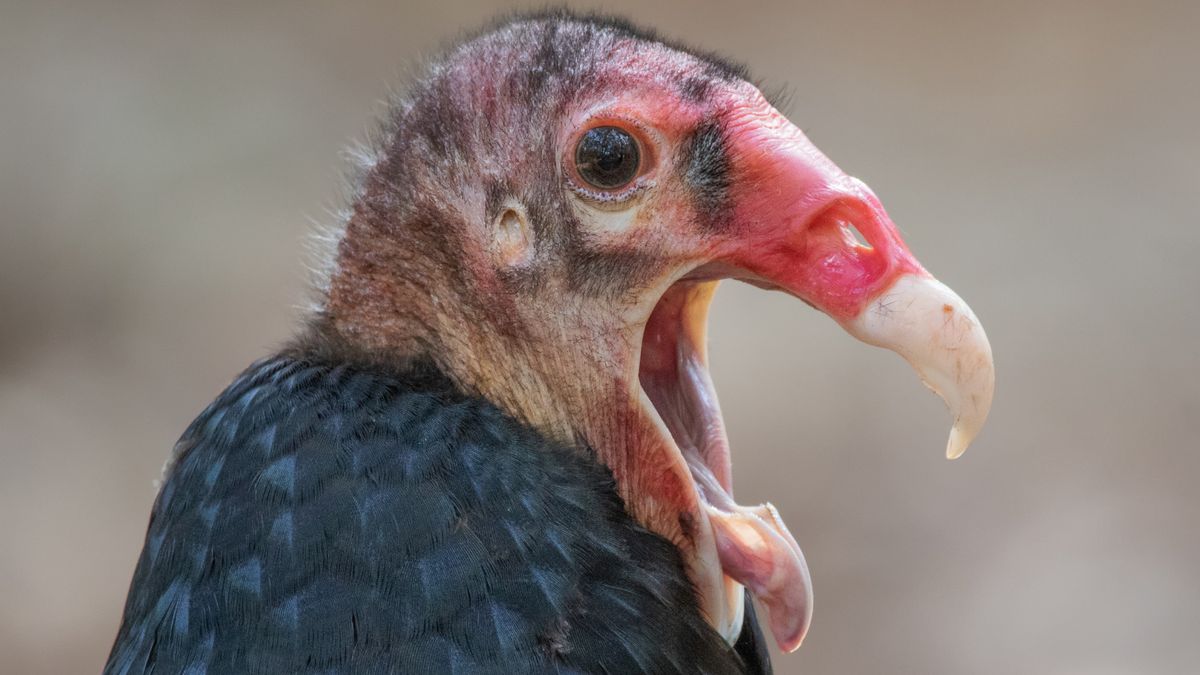
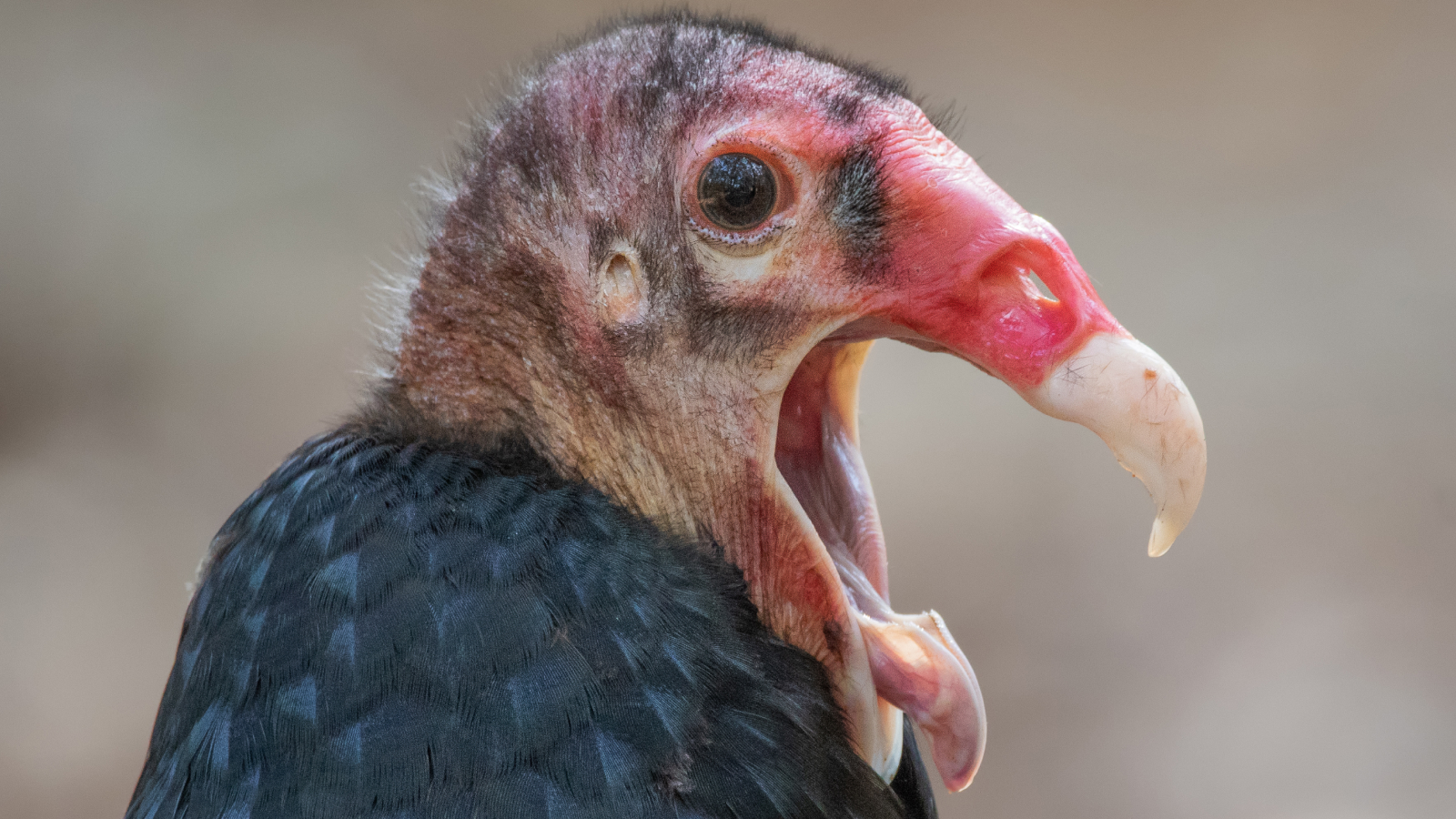
Why it’s awesome: These scavenger birds have an unexpected way of keeping predators away — by projectile vomiting stomach acid and semi-digested meat at their attackers.

Turkey vultures live in a range of habitats, including subtropical forests, shrublands and deserts. They have bald heads so that when they feast on carcasses, blood and guts don’t get trapped in their feathers.

Like many other species of vulture, these birds feed on the remains of already dead animals, rather than killing prey themselves.

Despite their large size — with wingspans reaching around 5.5 feet (1.7 meters) — they’re also preyed upon by other birds, including eagles, owls and hawks. But these vultures have a nifty escape mechanism. When they’re threatened or scared, turkey vultures regurgitate a foul, acidic substance that can sting a predator’s eyes and skin. Their gastric acid is as strong as battery acid and 100 times stronger than the acid found in human stomachs, which helps the birds neutralize the toxins found in their diet of decaying meat, such as anthrax and botulism.

Get the world’s most fascinating discoveries delivered straight to your inbox.

They can propel this vomit up to 10 feet (3 m) away to distract and deter attackers. However, vomiting also enables these birds to quickly lighten their body weight, so they can take flight and escape more easily.

These birds also use their bodily fluids in other ways. Turkey vultures defecate and urinate on their own feet to cool them down in hot weather. Because the vultures’ digestive juices kill bacteria, pooping on their legs also works as an antiseptic wash after standing on carcasses.

These scavengers find food using their sight and keen sense of smell. They fly low so they can detect the gasses produced by the early stages of decay in dead animals. According to a study published in the journal Ecosystem Services in 2022, vultures prevent tens of millions of metric tons of carbon emissions each year by eating carcasses before they decompose and release greenhouse gases.

Unlike other birds, turkey vultures lay their eggs on the ground and hide them in vegetation, caves or hollowed-out trees. Although they are social birds that live in groups, they lack a syrinx — the vocal organ of birds. So instead of birdsong, they communicate in grunts and hisses.


Source link

Share. Facebook Twitter Pinterest LinkedIn Tumblr Email
Previous ArticleGet a refurbished MacBook Air for less than $230
Next Article Sam Moore, who sang ‘Soul Man’ in Sam & Dave duo, dies at 89 due to surgery complications
Editor
  • Website

Related Posts

Lifestyle

‘Human evolution didn’t slow down; we were just missing the signal’: Large DNA study reveals natural selection led to more redheads and less male-pattern baldness

April 16, 2026
Lifestyle

Best Countries to Live in: Updated October 2024

April 15, 2026
Lifestyle

‘Something’s missing’: Most thorough-ever study of the cosmos proves we still can’t explain how the universe is expanding

April 15, 2026
Add A Comment

Comments are closed.

Categories
  • Entertainment
  • Lifestyle
  • News
  • Sports
  • Tech
  • Travel
Recent Posts
  • Iran to execute first female protester from 2026 uprising
  • Irvine Officials Deadlock on How to Close Multimillion Dollar Budget Deficits
  • ‘Human evolution didn’t slow down; we were just missing the signal’: Large DNA study reveals natural selection led to more redheads and less male-pattern baldness
  • Trump to be honored by Paramount CEO David Ellison at DC dinner: report
  • CDC warns rotavirus at high levels in the U.S., with life-threatening symptoms for kids
calendar
April 2026
M T W T F S S
 12345
6789101112
13141516171819
20212223242526
27282930  
« Mar    
Recent Posts
  • Iran to execute first female protester from 2026 uprising
  • Irvine Officials Deadlock on How to Close Multimillion Dollar Budget Deficits
  • ‘Human evolution didn’t slow down; we were just missing the signal’: Large DNA study reveals natural selection led to more redheads and less male-pattern baldness
About

Welcome to Baynard Media, your trusted source for a diverse range of news and insights. We are committed to delivering timely, reliable, and thought-provoking content that keeps you informed
and inspired

Categories
  • Entertainment
  • Lifestyle
  • News
  • Sports
  • Tech
  • Travel
Facebook X (Twitter) Pinterest WhatsApp
  • Contact Us
  • About Us
  • Privacy Policy
  • Disclaimer
  • UNSUBSCRIBE
© 2026 copyrights reserved

Type above and press Enter to search. Press Esc to cancel.