Close Menu
  • Home
  • UNSUBSCRIBE
  • News
  • Lifestyle
  • Tech
  • Entertainment
  • Sports
  • Travel
Facebook X (Twitter) WhatsApp
Trending
  • Lemur used in ‘lemur yoga’ session dies of human herpesvirus, study finds
  • ‘A fine line between reducing stigma and trivialising conditions’: Social media, self-diagnosis and the glamorization of ADHD
  • New 2D memory device stores data on just a single electron
  • Before we ban kids from social media completely, here’s what we should try first | Jonathan Bellack and Mariana Olaizola Rosenblat
  • Scientists uncover a better way to beat ‘the bends’ — using deep-diving pigs
  • Mars may have been losing its water more than 4 billion years ago, oldest-known Martian meteorite suggests
  • ‘The lance head was still inside the pelvis’: Mass grave found in Austria may hold casualties of unknown ancient Roman battle
  • ‘Full-on berserker mode’: Archaeologists solve mystery of medieval soldiers with gruesome square holes in their skull
Facebook X (Twitter) WhatsApp
Baynard Media
  • Home
  • UNSUBSCRIBE
  • News
  • Lifestyle
  • Tech
  • Entertainment
  • Sports
  • Travel
Baynard Media
Home»Tech»Supreme Court refuses to challenge ruling that denied copyright for AI art
Tech

Supreme Court refuses to challenge ruling that denied copyright for AI art

EditorBy EditorMarch 3, 2026No Comments2 Mins Read
Share Facebook Twitter Pinterest LinkedIn Tumblr Reddit Telegram Email
Share
Facebook Twitter LinkedIn Pinterest Email

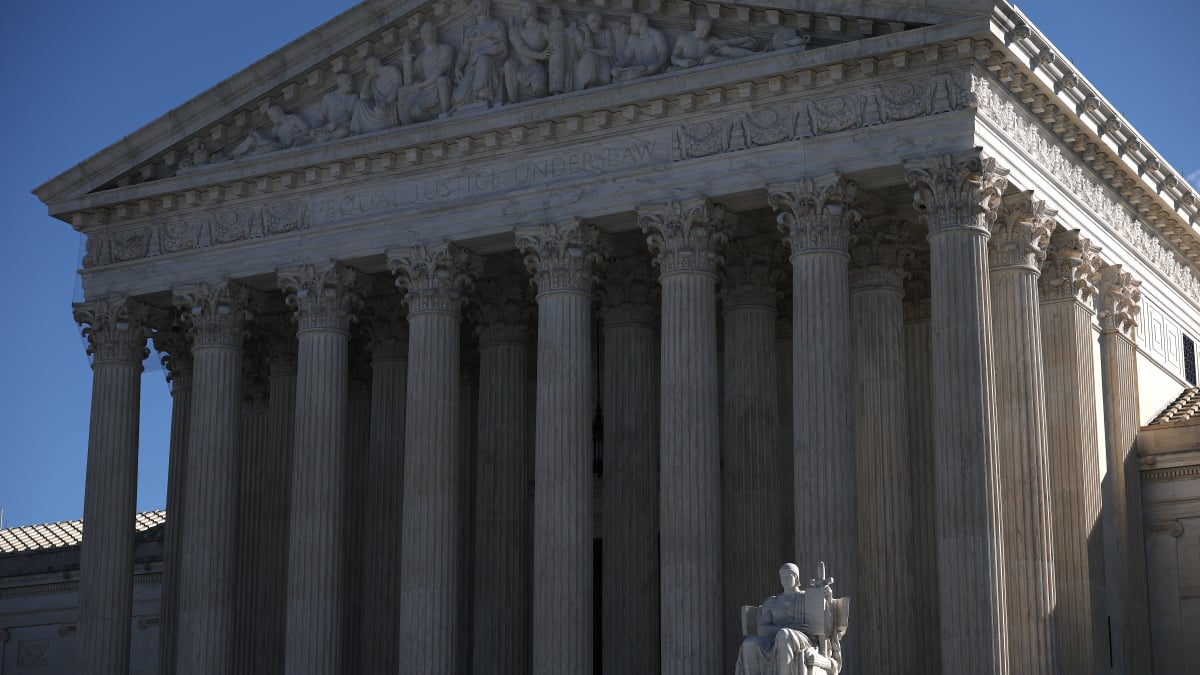
The highest court in the land has decided not to hear a case on whether AI-generated art can be copyrighted under U.S. law, as the battle over digital creation continues.

On Monday, the U.S. Supreme Court declined to hear an appeal involving an artist refused copyright for digital art created by a personal AI software. Plaintiff Stephen Thaler filed for copyright of a piece of moving digital art in 2018. The application was rejected by the U.S. Copyright Office in 2022. The office argued that the Missouri computer scientist’s art was not eligible for copyright protection because it was not created by a human.

SEE ALSO:

AI has made us all surveillance targets. This tool helps you fight back.

The decision preceded a 2025 report by the U.S. Copyright Office that offered further interpretation of the law and eligibility for copyright shelter, writing that “unedited outputs of generative AI tools” wouldn’t qualify for protection. The report added that art facilitated by AI but “retained the centrality of human creativity” could be eligible, but not expressive elements solely determined by a machine.

Mashable Light Speed

The copyright of AI-generated and AI-assisted works of art remains an ongoing battle. The office has previously rejected copyright claims by artists who argue certain forms of art created with the assistance of AI tools — rather than art generated independently by AI software — should fall under the 2025 interpretation of U.S. copyright law.

Thaler has also appealed to the Supreme Court over rejected U.S. Patent and Trademark Office applications, urging the court to decide whether or not AI-generated inventions are eligible for U.S. patent protection. The Trump administration had been placing pressure on the court to deny hearing Thaler’s copyright case, CNBC reports.

Thaler’s lawyers expressed disappointment in the court’s decision not to take the case. “Even if it later overturns the Copyright Office’s test in another case, it will be too late. The Copyright Office ​will have irreversibly and negatively impacted AI development and use in the creative ​industry during ⁠critically important years.”

Source link

Share. Facebook Twitter Pinterest LinkedIn Tumblr Email
Previous ArticleGreat Escape ON?! Wolves net late, LATE win over stunned Liverpool
Next Article JWST’s ‘little red dots’ could be the ‘parents’ of the universe’s first supermassive black holes
Editor
  • Website

Related Posts

Tech

iPhone exploit DarkSword has been released in the wild

March 24, 2026
Tech

The U.S. router ban: Everything you need to know

March 24, 2026
Tech

Underage sexual content, self-harm info targeted by OpenAI’s new open-source prompts

March 24, 2026
Add A Comment

Comments are closed.

Categories
  • Entertainment
  • Lifestyle
  • News
  • Sports
  • Tech
  • Travel
Recent Posts
  • Lemur used in ‘lemur yoga’ session dies of human herpesvirus, study finds
  • ‘A fine line between reducing stigma and trivialising conditions’: Social media, self-diagnosis and the glamorization of ADHD
  • New 2D memory device stores data on just a single electron
  • Before we ban kids from social media completely, here’s what we should try first | Jonathan Bellack and Mariana Olaizola Rosenblat
  • Scientists uncover a better way to beat ‘the bends’ — using deep-diving pigs
calendar
August 2026
M T W T F S S
 12
3456789
10111213141516
17181920212223
24252627282930
31  
« Jul    
Recent Posts
  • Lemur used in ‘lemur yoga’ session dies of human herpesvirus, study finds
  • ‘A fine line between reducing stigma and trivialising conditions’: Social media, self-diagnosis and the glamorization of ADHD
  • New 2D memory device stores data on just a single electron
About

Welcome to Baynard Media, your trusted source for a diverse range of news and insights. We are committed to delivering timely, reliable, and thought-provoking content that keeps you informed
and inspired

Categories
  • Entertainment
  • Lifestyle
  • News
  • Sports
  • Tech
  • Travel
Facebook X (Twitter) Pinterest WhatsApp
  • Contact Us
  • About Us
  • Privacy Policy
  • Disclaimer
  • UNSUBSCRIBE
© 2026 copyrights reserved

Type above and press Enter to search. Press Esc to cancel.