Close Menu
  • Home
  • UNSUBSCRIBE
  • News
  • Lifestyle
  • Tech
  • Entertainment
  • Sports
  • Travel
Facebook X (Twitter) WhatsApp
Trending
  • Doctors partially delivered a baby at 25 weeks to perform a lifesaving surgery and then returned him to the womb
  • Poop-encrusted chamber pots from the Roman Empire reveal oldest known human cases of Crypto parasite
  • Weapons of the world quiz: Can you identify these historical objects of war?
  • ‘The detectors never stopped beeping!’ Nearly 3,000 coins discovered in field are Norway’s largest Viking hoard on record
  • ‘We can no longer ignore diseases in the deep human past’: Malaria influenced early humans’ migrations across Africa, study suggests
  • Used SpaceX rocket stage could hit the moon’s Einstein crater this summer, report finds
  • Does Wegovy carry a risk of ‘eye stroke’ and vision loss? Here’s what the data says.
  • Heartbeats physically stop cardiac cancer from growing — hinting that ‘squeezing’ tumors could be a good way to thwart them
Facebook X (Twitter) WhatsApp
Baynard Media
  • Home
  • UNSUBSCRIBE
  • News
  • Lifestyle
  • Tech
  • Entertainment
  • Sports
  • Travel
Baynard Media
Home»Lifestyle»Scientists turned to a red onion to improve solar cells — and it could make solar power more sustainable
Lifestyle

Scientists turned to a red onion to improve solar cells — and it could make solar power more sustainable

EditorBy EditorAugust 30, 2025No Comments3 Mins Read
Share Facebook Twitter Pinterest LinkedIn Tumblr Reddit Telegram Email
Share
Facebook Twitter LinkedIn Pinterest Email

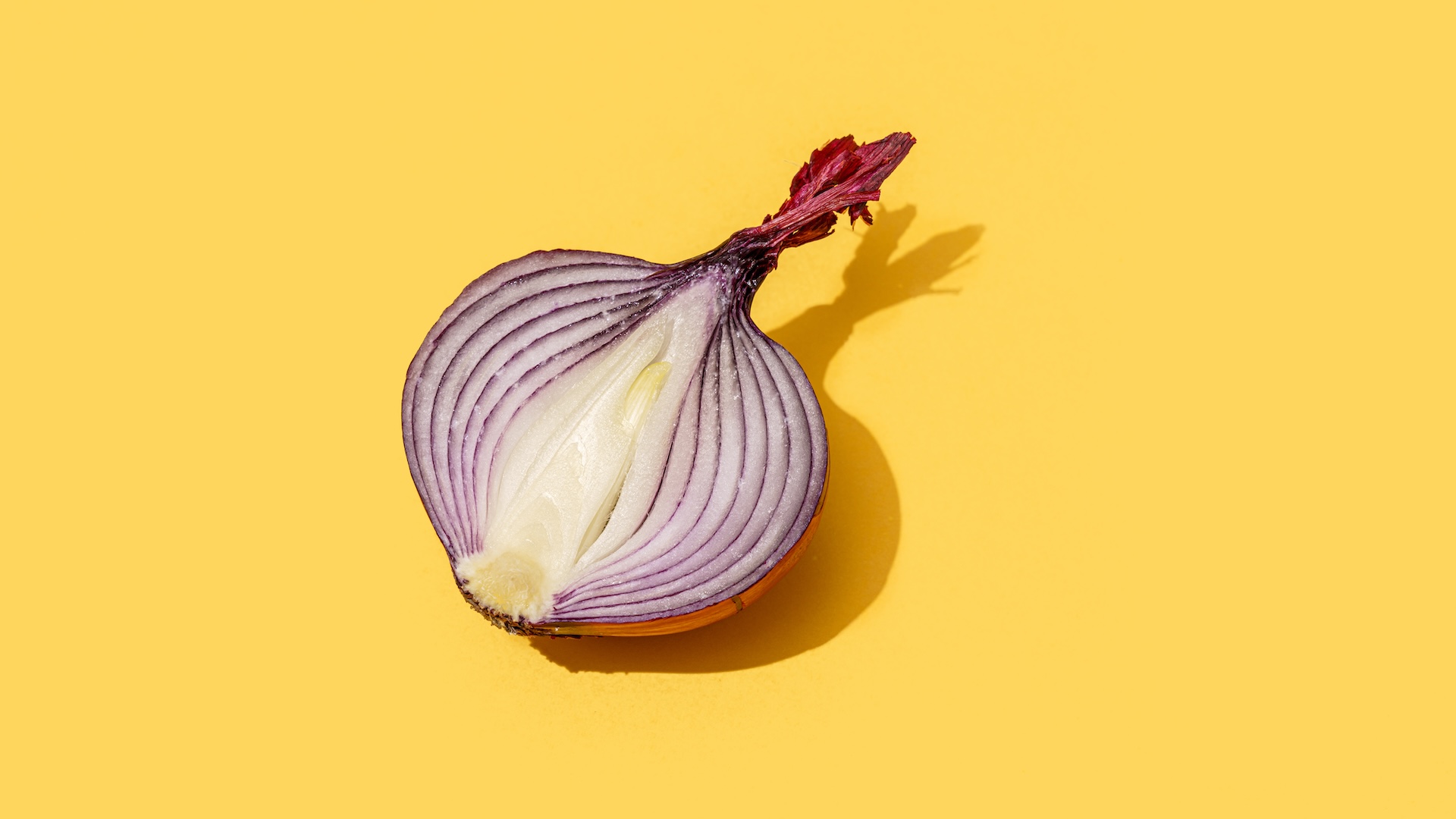
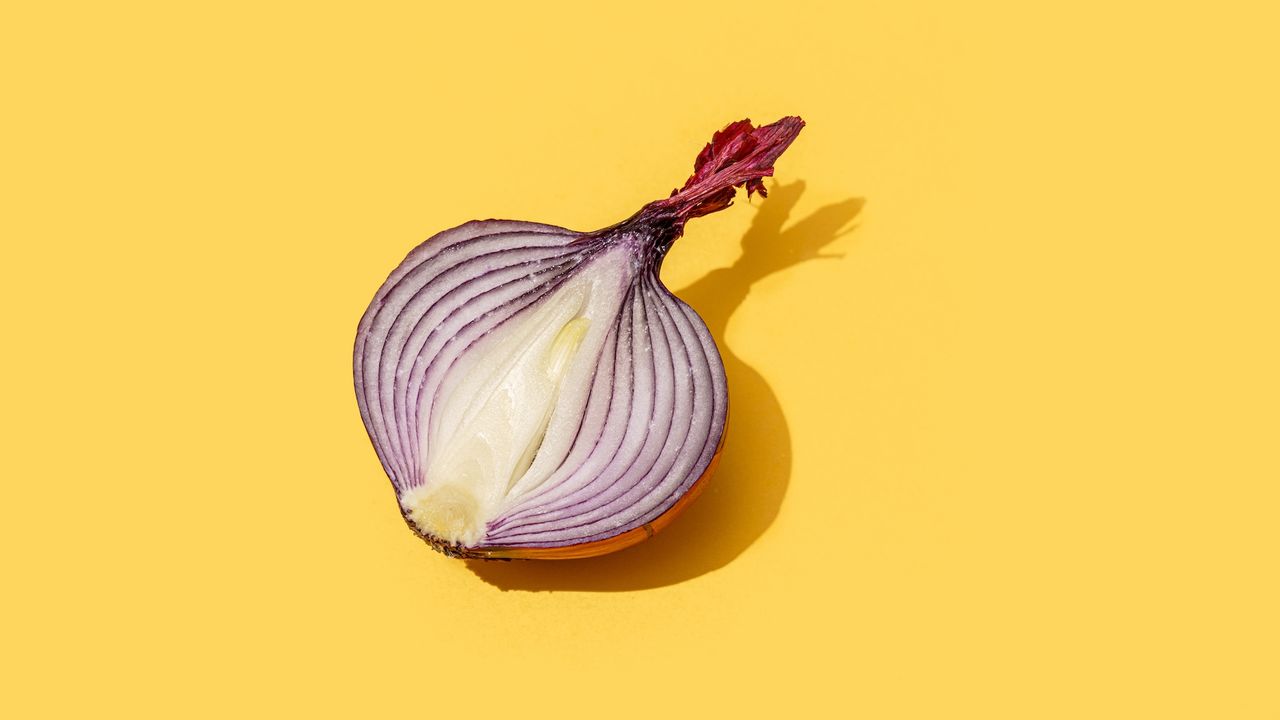
Red onion dye could be the missing ingredient required to bolster ultraviolet (UV) protection for solar cells, scientists say.

Solar cells are typically coated with a petroleum-based film to protect them from UV-induced degradation. These films include oil-based materials such as polyvinyl fluoride (PVF) and polyethylene terephthalate (PET).

In the quest to drive the adoption of film made from more sustainable, biologically-based materials, nanocellulose has emerged as a frontrunner. Nanocellulose is derived from plant-based materials and is produced by breaking down cellulose into nanoscale fibers.


You may like

The researchers behind the new study found that combining nanocellulose with a dye made from red onion skin extract provided “very effective UV protection.” The team published its findings Feb. 24 in the journal ACS Applied Optical Materials.

The study noted that a protective film made from this material eliminated 99.9% of UV radiation, up to a wavelength of 400 nanometers. Notably, the filter also outperformed a commercial PET-based UV filter currently available on the market.

This represents a “promising option in applications where the protective material should be bio-based,” Rustem Nizamov, a doctoral researcher at the University of Turku in Finland, said in a statement.

Vital trade-offs

In the study, researchers compared the durability of four protective films made from cellulose nanofibers. These were variously treated with ed onion extract, lignin — a polymer found in the walls of some plant cells — and iron ions.

Get the world’s most fascinating discoveries delivered straight to your inbox.

While all of these provided adequate protection against UV radiation, the red onion dye option emerged as the most effective.

Solar cells face a critical trade-off, with UV radiation below 400 nm proving harmful, the study noted. However, the transmission of visible light — wavelengths between 700 and 1,200 nm — is crucial in enabling the cell to turn radiation into electricity.

With this in mind, the development of a material that both protects the solar cell and facilitates energy absorption is key. Lignin, for example, has a dark brown color, which “limits its use in transparent films,” according to the statement.

“The transmittance of these lignin-containing films is typically 50% between 400 and 600 nm and at most 85% above 600 nm,” the researchers added.

In comparison, the nanocellulose film treated with red onion dye exceeded 80% light transmission at longer wavelengths (between 650 and 1,100 nm) and maintained performance across an extended testing period.

This testing period assessed the durability and performance of the filters by placing them under artificial light for 1,000 hours — the equivalent of roughly a year of sunlight in a Central European climate. Nizamov noted that this examination period “emphasised the importance” of long-term testing for UV filters.”The UV protection and light transmittance of the other bio-based filters changed significantly over time,” he said. “For example, the films treated with iron ions had good initial transmittance which reduced after aging.”

Nizamov said that the study has wide-reaching implications for a range of solar cells, particularly perovskite and organic photovoltaics, as well as in other industries where the use of a bio-based filter is necessary.

This could include food packaging, for example, where biodegradable solar cells could be used as power sources for sensors in sterile environments.

Source link

Share. Facebook Twitter Pinterest LinkedIn Tumblr Email
Previous ArticleCowboys coach stands by Super Bowl aspirations after Micah Parsons exit
Next Article Utah musicians rally around violinist detained by ICE after decades in the U.S.
Editor
  • Website

Related Posts

Lifestyle

Doctors partially delivered a baby at 25 weeks to perform a lifesaving surgery and then returned him to the womb

May 1, 2026
Lifestyle

Poop-encrusted chamber pots from the Roman Empire reveal oldest known human cases of Crypto parasite

April 30, 2026
Lifestyle

Weapons of the world quiz: Can you identify these historical objects of war?

April 30, 2026
Add A Comment

Comments are closed.

Categories
  • Entertainment
  • Lifestyle
  • News
  • Sports
  • Tech
  • Travel
Recent Posts
  • Doctors partially delivered a baby at 25 weeks to perform a lifesaving surgery and then returned him to the womb
  • Poop-encrusted chamber pots from the Roman Empire reveal oldest known human cases of Crypto parasite
  • Weapons of the world quiz: Can you identify these historical objects of war?
  • ‘The detectors never stopped beeping!’ Nearly 3,000 coins discovered in field are Norway’s largest Viking hoard on record
  • ‘We can no longer ignore diseases in the deep human past’: Malaria influenced early humans’ migrations across Africa, study suggests
calendar
May 2026
M T W T F S S
 123
45678910
11121314151617
18192021222324
25262728293031
« Apr    
Recent Posts
  • Doctors partially delivered a baby at 25 weeks to perform a lifesaving surgery and then returned him to the womb
  • Poop-encrusted chamber pots from the Roman Empire reveal oldest known human cases of Crypto parasite
  • Weapons of the world quiz: Can you identify these historical objects of war?
About

Welcome to Baynard Media, your trusted source for a diverse range of news and insights. We are committed to delivering timely, reliable, and thought-provoking content that keeps you informed
and inspired

Categories
  • Entertainment
  • Lifestyle
  • News
  • Sports
  • Tech
  • Travel
Facebook X (Twitter) Pinterest WhatsApp
  • Contact Us
  • About Us
  • Privacy Policy
  • Disclaimer
  • UNSUBSCRIBE
© 2026 copyrights reserved

Type above and press Enter to search. Press Esc to cancel.