Close Menu
  • Home
  • UNSUBSCRIBE
  • News
  • Lifestyle
  • Tech
  • Entertainment
  • Sports
  • Travel
Facebook X (Twitter) WhatsApp
Trending
  • New robotic heart mimics common, mysterious condition to help researchers study it
  • Canon EOS R6 III review: A wildlife wonder
  • Medieval babies and adults buried together in Sweden were not related, archaeologists discover — raising big questions about early Christian burial practices
  • NASA is creating a fifth state of matter on the ISS, thanks to an upgrade to a mini-fridge-sized quantum lab
  • New sodium metal battery design charges in just 4 minutes and retains its capacity for years
  • Quantum computing wielded to create extremely rare material critical to nuclear fusion
  • Scientists build tiny ‘diving suit’ for cockroaches, turning them into search-and-rescue cyborgs
  • Physicists develop the first working model of quantum mechanics using only ‘real’ numbers
Facebook X (Twitter) WhatsApp
Baynard Media
  • Home
  • UNSUBSCRIBE
  • News
  • Lifestyle
  • Tech
  • Entertainment
  • Sports
  • Travel
Baynard Media
Home»News»Quadrantid meteor shower, the first of 2025, peaks this week
News

Quadrantid meteor shower, the first of 2025, peaks this week

EditorBy EditorDecember 31, 2024No Comments3 Mins Read
Share Facebook Twitter Pinterest LinkedIn Tumblr Reddit Telegram Email
Share
Facebook Twitter LinkedIn Pinterest Email

The Summary

  • The annual Quadrantid meteor shower is set to peak early Friday.
  • It will be the first meteor shower of 2025.
  • The upcoming show won’t be overshadowed by moonlight, as the crescent moon will set before the shower’s peak.

Ring in the new year with the first meteor shower of 2025.

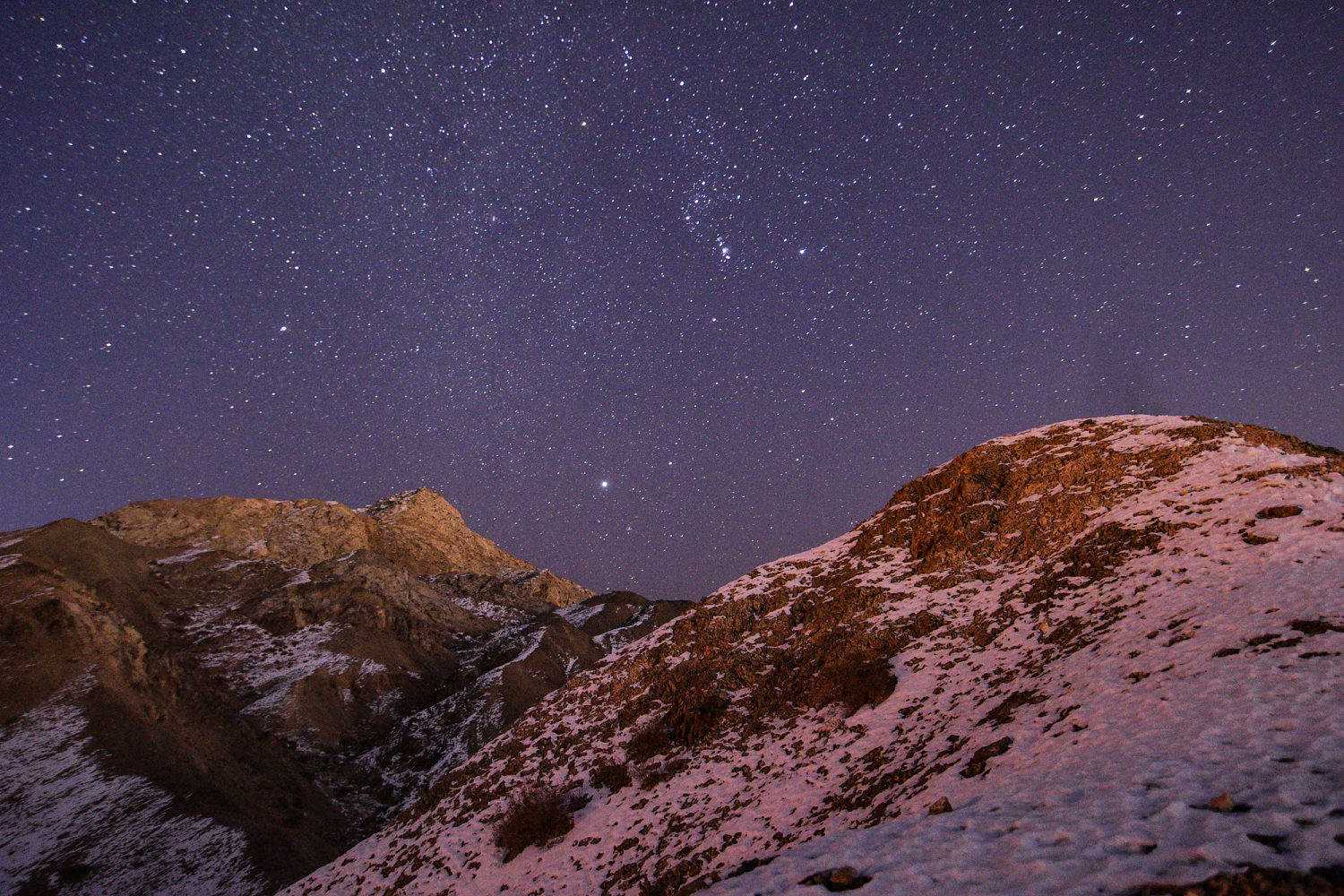
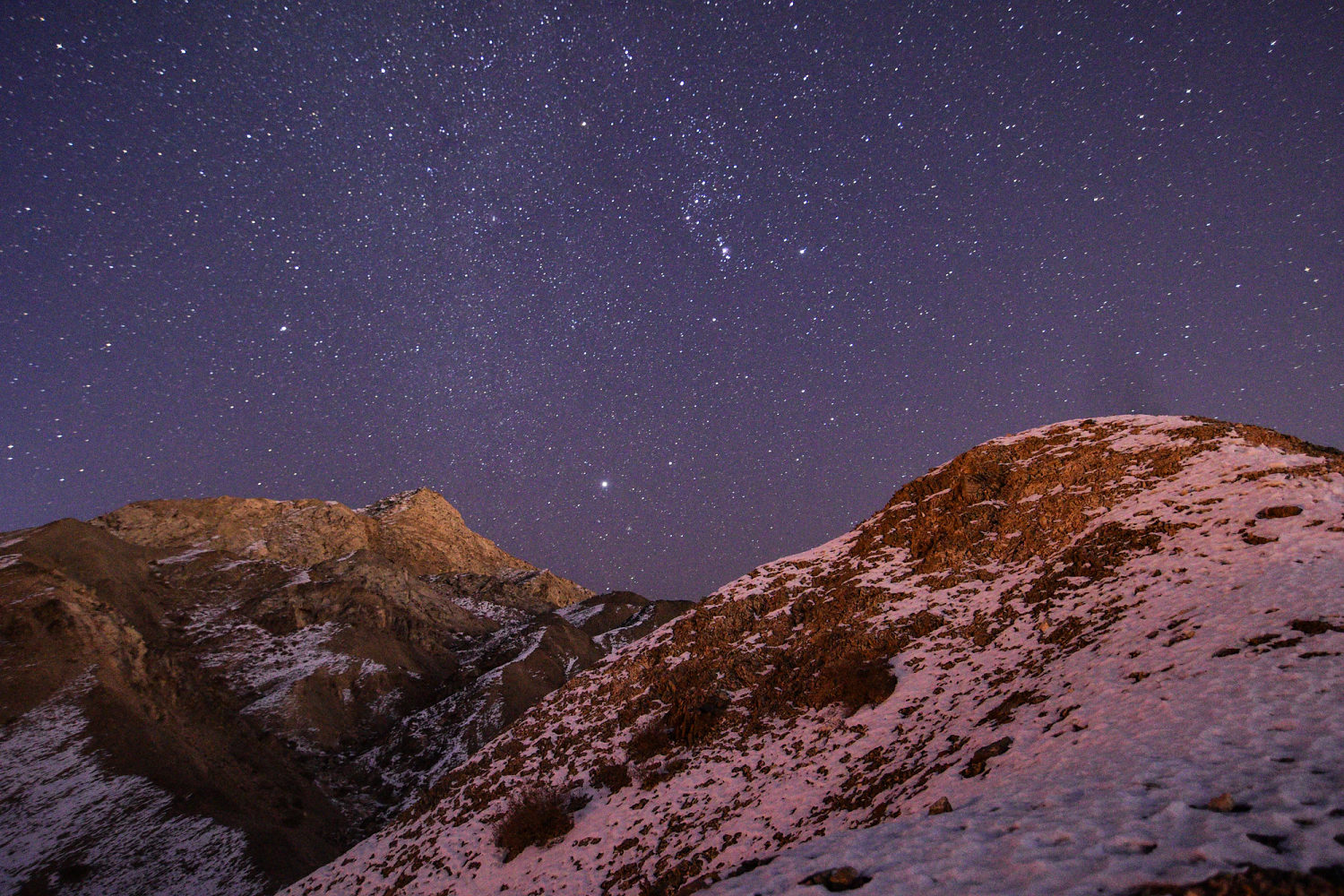
The annual Quadrantid meteor shower is set to peak during the early hours of Friday, before dawn. That’s when people in the Northern Hemisphere will have the best chance of seeing the shooting stars, though the shower is already underway. Lucky people might be able to catch some on New Year’s Eve, but the celestial show will stay active until Jan. 16.

The Quadrantid meteor shower is caused by debris from an asteroid called 2003 EH1, which takes more than 5 years to complete one orbit around the sun.

The Quadrantids are known for producing brighter, and sometimes colorful, fireball meteors because they originate from larger pieces of debris.

During the shower’s peak early Friday, the crescent moon will already have set, so the shooting stars won’t be at risk of getting overshadowed by bright moonlight.

The Quadrantids will be best seen from the mid-northern to the far-northern latitudes Friday before sunlight begins to appear. For ideal viewing, bundle up and head to a spot away from city lights, with a clear and unobstructed view of the sky.

There’s no need for special equipment, meteors can be viewed with the naked eye.,

Under clear and dark conditions, people could spot around 120 meteors per hour during the shower’s peak, according to NASA.

Meteor showers occur when Earth passes through giant streams of debris from comets or asteroids. When these bits of rock and cosmic dust hit the planet’s atmosphere, they burn up and streak across the night sky as shooting stars.

Most other meteor showers peak over two days, but the Quadrantids have a shorter peak, lasting just about six hours. This is because the cloud of debris is relatively thin, and Earth’s orbit is such that the planet swings through it at a perpendicular angle, according to NASA.

Meteor showers typically get their name based on where the shooting stars appear to originate in the sky. Perseid meteors, for instance, appear to stream from the constellation of Perseus, and Geminid meteors seem to originate from the Gemini constellation.

The Quadrantids, however, are named for a now-obsolete constellation known as “Quadrans Muralis.” This grouping of stars was not included by the International Astronomical Union when it created a list of recognized modern constellations in 1922, but the meteor shower did keep its name.

The former Quadrans Muralis constellation was located near the Big Dipper. While meteors can appear to stream from this point in the sky, people should be able to see shooting stars across the entire sky without needing to gaze in a particular direction.

After the Quadrantids, the next major meteor shower of the year will be the Lyrids, which occurs in April.

Source link

Share. Facebook Twitter Pinterest LinkedIn Tumblr Email
Previous ArticleAlabama Barker Sets Record Straight on Hospitalization for Nicotine Usage
Next Article Bournemouth latest: Deal agreed for defender Akinmboni
Editor
  • Website

Related Posts

News

Omar files new financial form in response to Trump, GOP critics

April 21, 2026
News

Ex-CENTCOM commanderwarns against ‘risky’ US ground op to seize Iran uranium

April 21, 2026
News

Santa Ana’s Upcoming Report on Police Firing on ICE Protesters Lacks Details

April 21, 2026
Add A Comment

Comments are closed.

Categories
  • Entertainment
  • Lifestyle
  • News
  • Sports
  • Tech
  • Travel
Recent Posts
  • New robotic heart mimics common, mysterious condition to help researchers study it
  • Canon EOS R6 III review: A wildlife wonder
  • Medieval babies and adults buried together in Sweden were not related, archaeologists discover — raising big questions about early Christian burial practices
  • NASA is creating a fifth state of matter on the ISS, thanks to an upgrade to a mini-fridge-sized quantum lab
  • New sodium metal battery design charges in just 4 minutes and retains its capacity for years
calendar
July 2026
M T W T F S S
 12345
6789101112
13141516171819
20212223242526
2728293031  
« Jun    
Recent Posts
  • New robotic heart mimics common, mysterious condition to help researchers study it
  • Canon EOS R6 III review: A wildlife wonder
  • Medieval babies and adults buried together in Sweden were not related, archaeologists discover — raising big questions about early Christian burial practices
About

Welcome to Baynard Media, your trusted source for a diverse range of news and insights. We are committed to delivering timely, reliable, and thought-provoking content that keeps you informed
and inspired

Categories
  • Entertainment
  • Lifestyle
  • News
  • Sports
  • Tech
  • Travel
Facebook X (Twitter) Pinterest WhatsApp
  • Contact Us
  • About Us
  • Privacy Policy
  • Disclaimer
  • UNSUBSCRIBE
© 2026 copyrights reserved

Type above and press Enter to search. Press Esc to cancel.