Close Menu
  • Home
  • UNSUBSCRIBE
  • News
  • Lifestyle
  • Tech
  • Entertainment
  • Sports
  • Travel
Facebook X (Twitter) WhatsApp
Trending
  • More young people are getting colorectal cancer — here’s what scientists think might be happening
  • ‘I have no doubt that life is out there’: Why radio astronomers are convinced alien contact is only a matter of time
  • 800-year-old ‘hugging skeletons’ are genetically confirmed as Poland’s only medieval same-sex double burial
  • There’s a new T. rex from the dinosaur age — and it ruled the seas with a skull-crushing bite
  • Great Pyramid of Giza is remarkably resilient to earthquakes —‬ and it’s due to the ancient Egyptians’ ‘extraordinary’ engineering knowledge
  • China’s real-life ‘transformer’ mech is a giant humanoid robot that can switch from bounding on 4 legs to walking on 2
  • How can we prevent AI models from cannibalizing themselves when human-generated data runs out? Scientists say they’ve found the answer.
  • ‘The system is likely to reach a breaking point’: Major Italian volcano is speeding toward a transition, and a major eruption could be on the way
Facebook X (Twitter) WhatsApp
Baynard Media
  • Home
  • UNSUBSCRIBE
  • News
  • Lifestyle
  • Tech
  • Entertainment
  • Sports
  • Travel
Baynard Media
Home»Lifestyle»Miniature camelid effigy: A silver llama with a wry smile that the Inca crafted 600 years ago
Lifestyle

Miniature camelid effigy: A silver llama with a wry smile that the Inca crafted 600 years ago

EditorBy EditorApril 27, 2026No Comments3 Mins Read
Share Facebook Twitter Pinterest LinkedIn Tumblr Reddit Telegram Email
Share
Facebook Twitter LinkedIn Pinterest Email

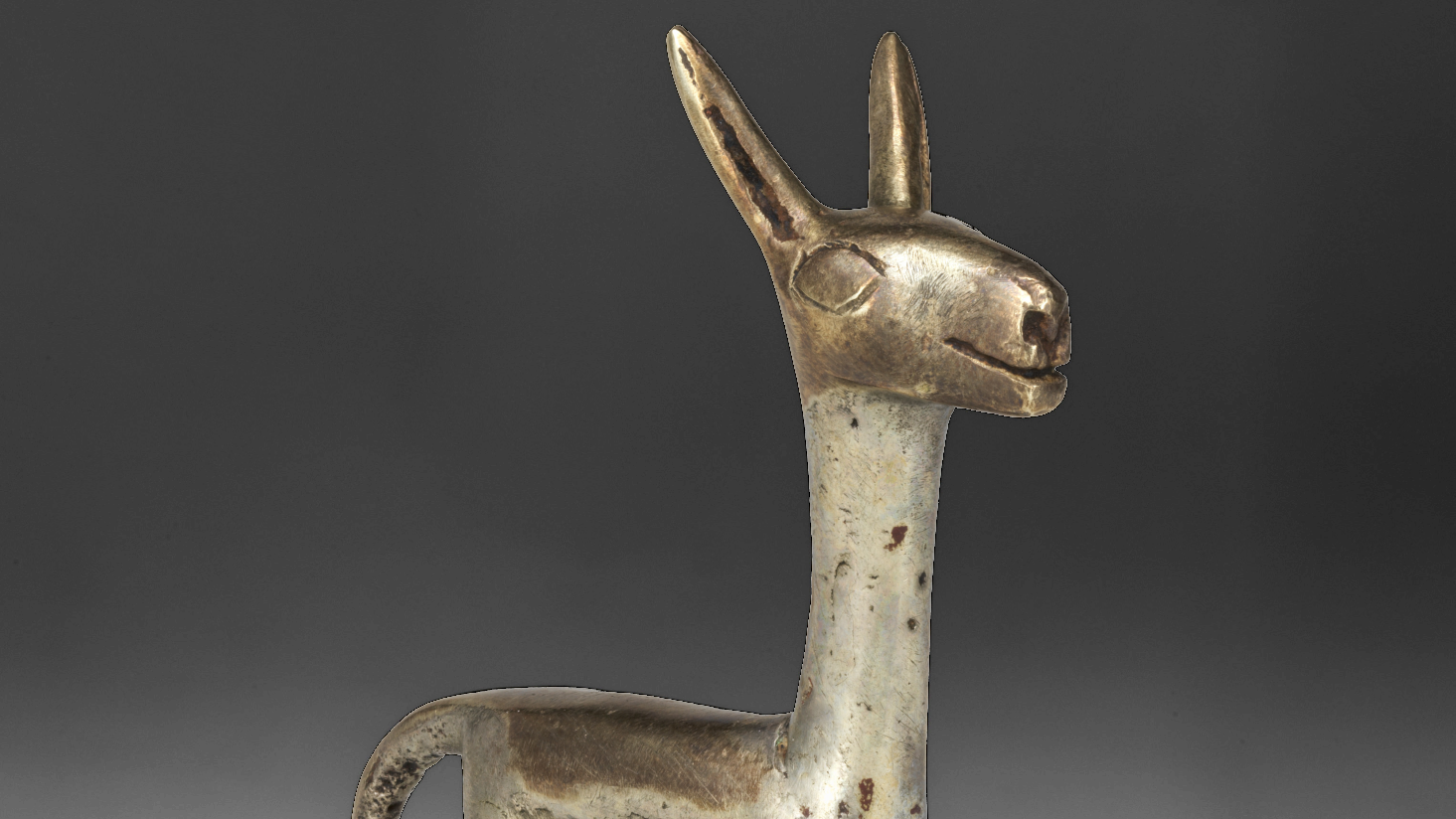
silver llama figurine

This silver llama figurine reveals the animal’s importance in the Inca Empire. (Image credit: Gift and Bequest of Alice K. Bache, 1974, 1977; Metropolitan Museum of Art (Public Domain))

QUICK FACTS

Name: Miniature camelid effigy

What it is: A silver-alloy llama figurine

Where it is from: South America

When it was made: 1400 to 1535

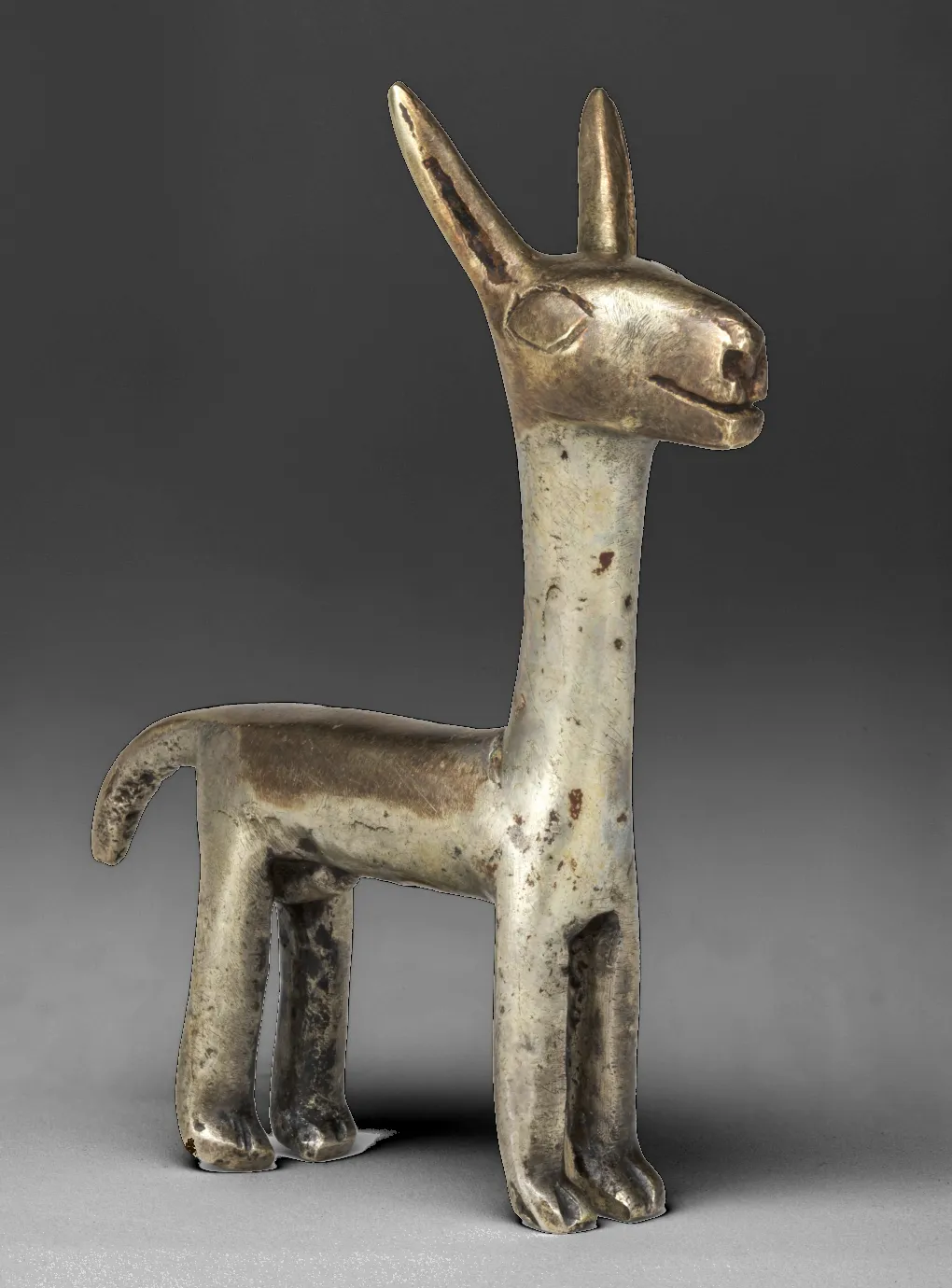
This figurine of a small male camelid was made by the Inca as a “huaca” — a sacred being, site or object revered by their society. The quadruped was probably intended to be a llama (Lama glama), but it may represent the other camelid species domesticated by Andean people: the alpaca (Lama pacos or Vicugna pacos).

According to The Metropolitan Museum of Art, which has the statue in its collection, the llama stands about 2 inches (5.1 centimeters) tall and was crafted from an alloy of silver, gold and copper. After casting, an Inca artist added the creature’s features, including eyes, nostrils, toes and a wry smile.

The Inca raised llamas and alpacas for a wide variety of purposes. They were used to carry goods long distances, and people ate the animals’ meat, wove clothes from their wool, turned their bones into musical instruments, sewed hides to make shoes, collected their droppings for fuel and fertilizer, and consumed their fat for medicinal purposes. Llamas were also key to some ancient rituals.


You may like

This figurine may have been created for the Inca ritual called “capac hucha,” a Quechua term meaning “royal obligation,” according to The Met. This annual celebration in Cuzco, which was founded around the 12th century as the capital of the Inca Empire, involved sacrifices of llamas, maize and children to mark important events such as a drought, the death of a ruler, or the expansion of the empire.

MORE ASTONISHING ARTIFACTS

Among the artifacts that archaeologists have discovered at capac hucha sites are metal and shell figurines, some of which had been “dressed” with textiles and feathers and were thought to have been imbued with sacred power. And one of the three “Children of Llullaillaco” — Inca child mummies discovered in 1999 — was buried with 11 camelid figurines made from silver, gold and shell, revealing the importance of llama effigies in death.

The close association between llamas and the Inca can even be seen in contemporary cinema. In Disney’s “The Emperor’s New Groove” (2000), a ruler named Kuzco is transformed into a llama that looks more than a bit like the 600-year-old miniature camelid effigy.

For more stunning archaeological discoveries, check out our Astonishing Artifacts archives.

Get the world’s most fascinating discoveries delivered straight to your inbox.

Source link

Share. Facebook Twitter Pinterest LinkedIn Tumblr Email
Previous ArticleAntarctica’s sea ice suddenly started shrinking a decade ago — and deep-diving robots are revealing why
Next Article Amazfit Active 3 Premium review: A wallet- and beginner-friendly running watch
Editor
  • Website

Related Posts

Lifestyle

More young people are getting colorectal cancer — here’s what scientists think might be happening

May 22, 2026
Lifestyle

‘I have no doubt that life is out there’: Why radio astronomers are convinced alien contact is only a matter of time

May 22, 2026
Lifestyle

800-year-old ‘hugging skeletons’ are genetically confirmed as Poland’s only medieval same-sex double burial

May 21, 2026
Add A Comment

Comments are closed.

Categories
  • Entertainment
  • Lifestyle
  • News
  • Sports
  • Tech
  • Travel
Recent Posts
  • More young people are getting colorectal cancer — here’s what scientists think might be happening
  • ‘I have no doubt that life is out there’: Why radio astronomers are convinced alien contact is only a matter of time
  • 800-year-old ‘hugging skeletons’ are genetically confirmed as Poland’s only medieval same-sex double burial
  • There’s a new T. rex from the dinosaur age — and it ruled the seas with a skull-crushing bite
  • Great Pyramid of Giza is remarkably resilient to earthquakes —‬ and it’s due to the ancient Egyptians’ ‘extraordinary’ engineering knowledge
calendar
May 2026
M T W T F S S
 123
45678910
11121314151617
18192021222324
25262728293031
« Apr    
Recent Posts
  • More young people are getting colorectal cancer — here’s what scientists think might be happening
  • ‘I have no doubt that life is out there’: Why radio astronomers are convinced alien contact is only a matter of time
  • 800-year-old ‘hugging skeletons’ are genetically confirmed as Poland’s only medieval same-sex double burial
About

Welcome to Baynard Media, your trusted source for a diverse range of news and insights. We are committed to delivering timely, reliable, and thought-provoking content that keeps you informed
and inspired

Categories
  • Entertainment
  • Lifestyle
  • News
  • Sports
  • Tech
  • Travel
Facebook X (Twitter) Pinterest WhatsApp
  • Contact Us
  • About Us
  • Privacy Policy
  • Disclaimer
  • UNSUBSCRIBE
© 2026 copyrights reserved

Type above and press Enter to search. Press Esc to cancel.