Close Menu
  • Home
  • UNSUBSCRIBE
  • News
  • Lifestyle
  • Tech
  • Entertainment
  • Sports
  • Travel
Facebook X (Twitter) WhatsApp
Trending
  • Global warming is accelerating 5,000 times faster than rice can evolve
  • Scientists discover deadly, highly venomous box jellyfish near Singapore’s ‘Island of Death Behind’
  • Poll: What do you think of PMOS, the new name for PCOS?
  • Celestron Outland X 10×25 roof prism binocular review
  • Withings Body Scan review: Smart scale turned all-in-one health hub
  • World’s first ‘native’ color lidar will let robots and self-driving cars map the world in full color 3D
  • Bright-blue ‘potash ponds’ shine alongside a dark-green river in Utah — Earth from space
  • Deadly Ebola outbreak is a public health emergency of international concern, WHO declares
Facebook X (Twitter) WhatsApp
Baynard Media
  • Home
  • UNSUBSCRIBE
  • News
  • Lifestyle
  • Tech
  • Entertainment
  • Sports
  • Travel
Baynard Media
Home»Lifestyle»Eagle brooches: 1,500-year-old pins filled with dazzling gems and glass — and worn by powerful Visigoth women
Lifestyle

Eagle brooches: 1,500-year-old pins filled with dazzling gems and glass — and worn by powerful Visigoth women

EditorBy EditorSeptember 29, 2025No Comments2 Mins Read
Share Facebook Twitter Pinterest LinkedIn Tumblr Reddit Telegram Email
Share
Facebook Twitter LinkedIn Pinterest Email

QUICK FACTS

Name: Eagle brooches

What they are: Decorative pins made out of gold, bronze, gems and colored glass

Where they are from: Alovera, Spain

When they were made: Circa 501 to 533

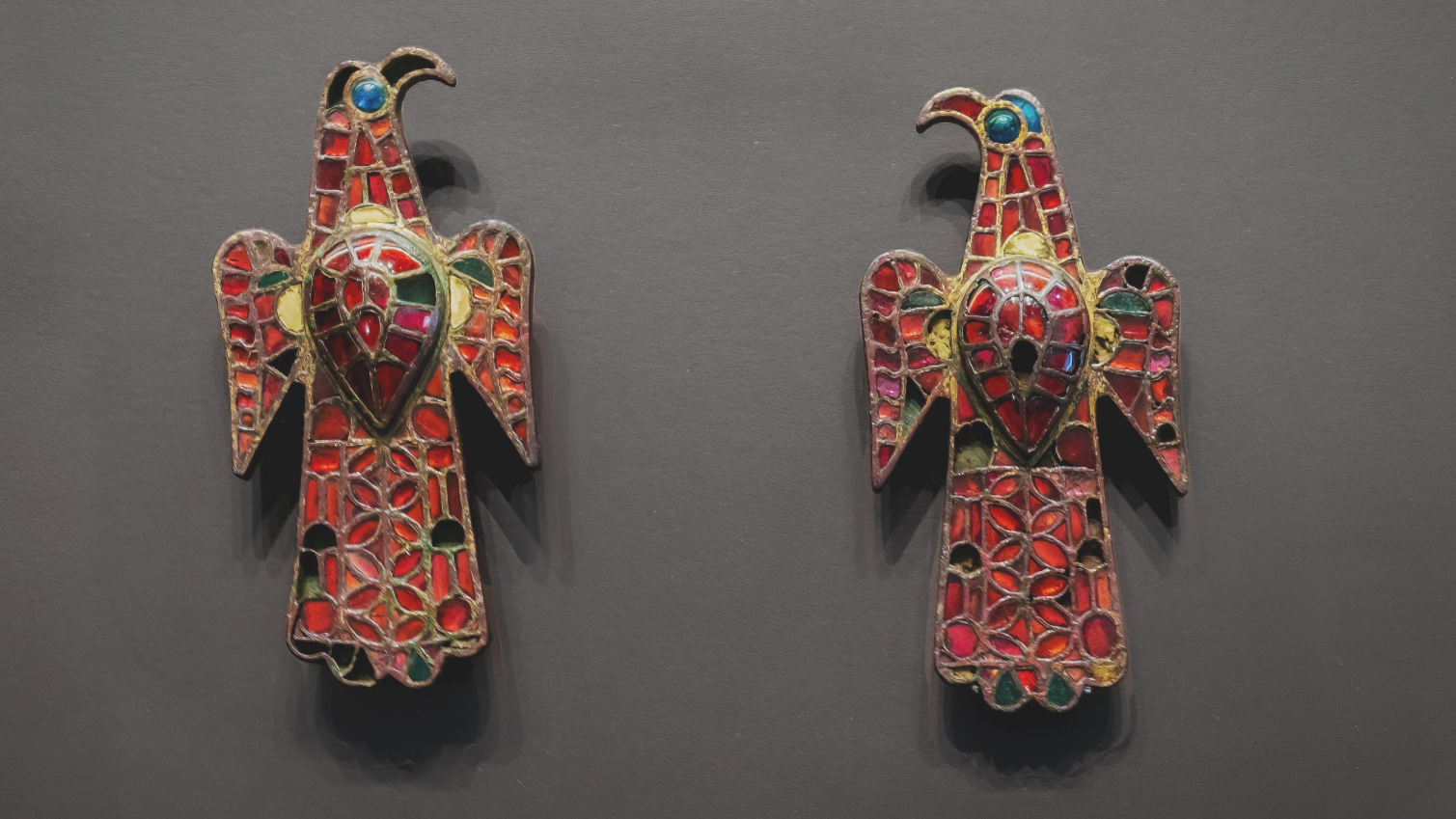
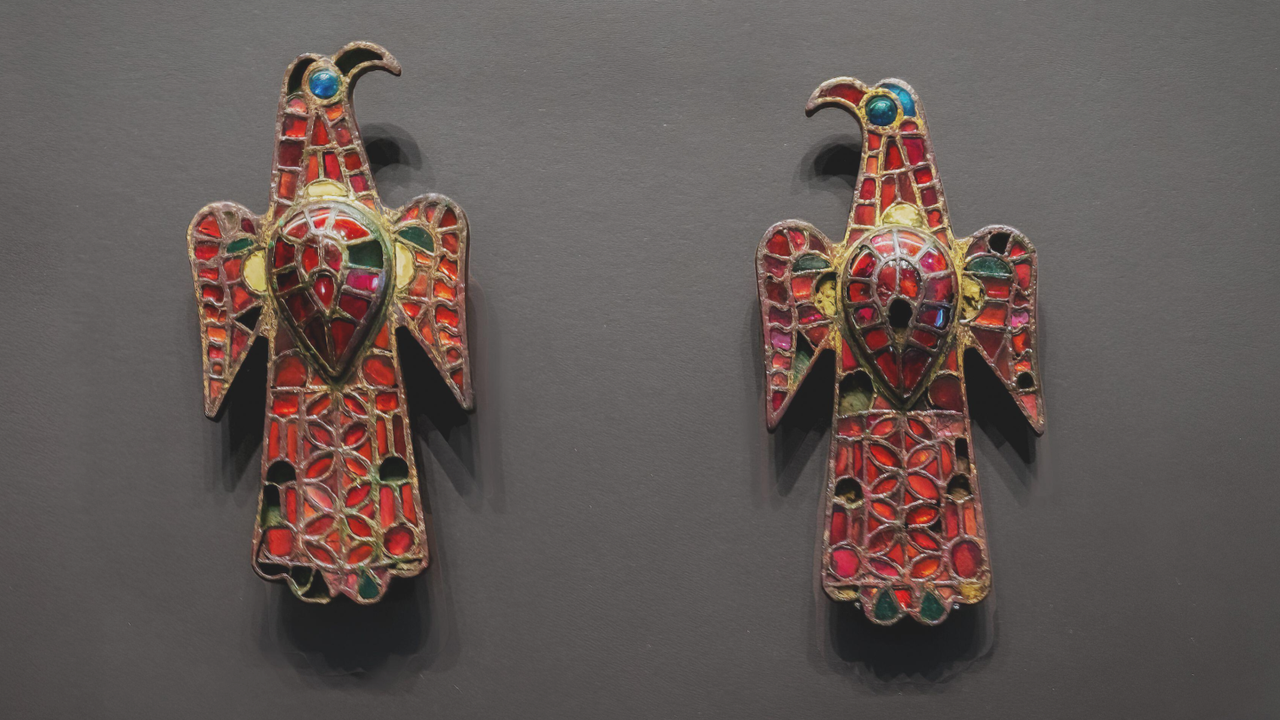
These two eagle-shaped pins were discovered in central Spain and date to the early sixth century, when the Visigoth Kingdom ruled the area. A popular symbol among the Visigoths, the predatory bird represented power — and eagle pins are often found in Visigoth women’s graves.

These brooches, currently in the collection of the National Archaeological Museum in Madrid, are made of gold-plated bronze and measure about 4.6 inches (11.8 centimeters) tall. The cells in the eagle outline are inlaid in the cloisonné technique with red and blue-green glass as well as white stones. The eagles’ eyes are blue gemstones. On the reverse side, pieces of the pin’s spring mechanism and clasp remain.

During the Migration Period in Europe (fourth to eighth centuries), the power of the Roman Empire waned and groups such as the Visigoths (Western Goths) moved west from Central Europe into the Iberian Peninsula. They set up a kingdom based in Toledo, Spain, and art and writing flourished in the Visigoth Kingdom in the sixth and seventh centuries.


You may like

A recurring theme in Visigoth art was the eagle — a symbol of the supreme being and embodied power, according to Katharine Reynolds Brown, an art historian at the Metropolitan Museum of Art in New York City. And these eagle pins are often found in pairs in women’s graves, the authors of the textbook “Art and Architecture of the Middle Ages” (Cornell University Press, 2023) wrote. The pins were likely used to secure women’s clothing at the shoulder, according to The Walters Art Museum.

MORE ASTONISHING ARTIFACTS

In the mid-seventh century, the Visigoth king ordered the establishment of “the Visigothic Code,” a set of laws that was quite progressive for the time. Women were allowed to inherit land and titles and could arrange their own marriages, according to historian Suzanne Fonay Wemple. However, only a handful of names of powerful Visigoth women — largely consorts of Visigoth kings — are known from historical records.

Although the eagle brooches suggest their owner was an influential woman, the lack of rigorous excavations at the Alovera cemetery a century ago means we may never know if they were actually the property of a Visigoth queen.

Get the world’s most fascinating discoveries delivered straight to your inbox.

Source link

Share. Facebook Twitter Pinterest LinkedIn Tumblr Email
Previous ArticleDana White defends UFC’s masculine attitude in ’60 Minutes’ interview
Next Article World’s tallest bridge opens to traffic in China
Editor
  • Website

Related Posts

Lifestyle

Global warming is accelerating 5,000 times faster than rice can evolve

May 19, 2026
Lifestyle

Scientists discover deadly, highly venomous box jellyfish near Singapore’s ‘Island of Death Behind’

May 19, 2026
Lifestyle

Poll: What do you think of PMOS, the new name for PCOS?

May 19, 2026
Add A Comment

Comments are closed.

Categories
  • Entertainment
  • Lifestyle
  • News
  • Sports
  • Tech
  • Travel
Recent Posts
  • Global warming is accelerating 5,000 times faster than rice can evolve
  • Scientists discover deadly, highly venomous box jellyfish near Singapore’s ‘Island of Death Behind’
  • Poll: What do you think of PMOS, the new name for PCOS?
  • Celestron Outland X 10×25 roof prism binocular review
  • Withings Body Scan review: Smart scale turned all-in-one health hub
calendar
May 2026
M T W T F S S
 123
45678910
11121314151617
18192021222324
25262728293031
« Apr    
Recent Posts
  • Global warming is accelerating 5,000 times faster than rice can evolve
  • Scientists discover deadly, highly venomous box jellyfish near Singapore’s ‘Island of Death Behind’
  • Poll: What do you think of PMOS, the new name for PCOS?
About

Welcome to Baynard Media, your trusted source for a diverse range of news and insights. We are committed to delivering timely, reliable, and thought-provoking content that keeps you informed
and inspired

Categories
  • Entertainment
  • Lifestyle
  • News
  • Sports
  • Tech
  • Travel
Facebook X (Twitter) Pinterest WhatsApp
  • Contact Us
  • About Us
  • Privacy Policy
  • Disclaimer
  • UNSUBSCRIBE
© 2026 copyrights reserved

Type above and press Enter to search. Press Esc to cancel.