
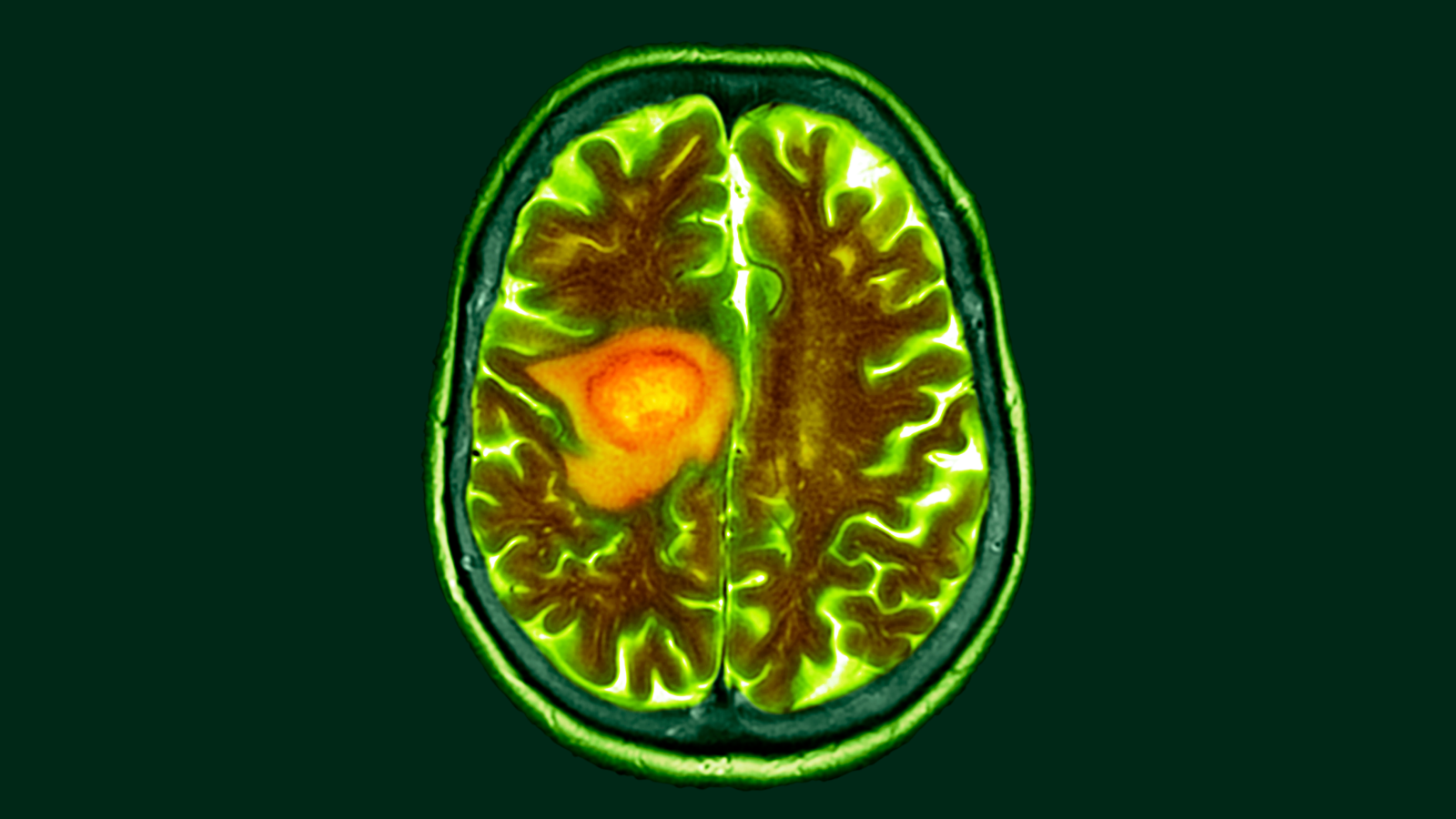
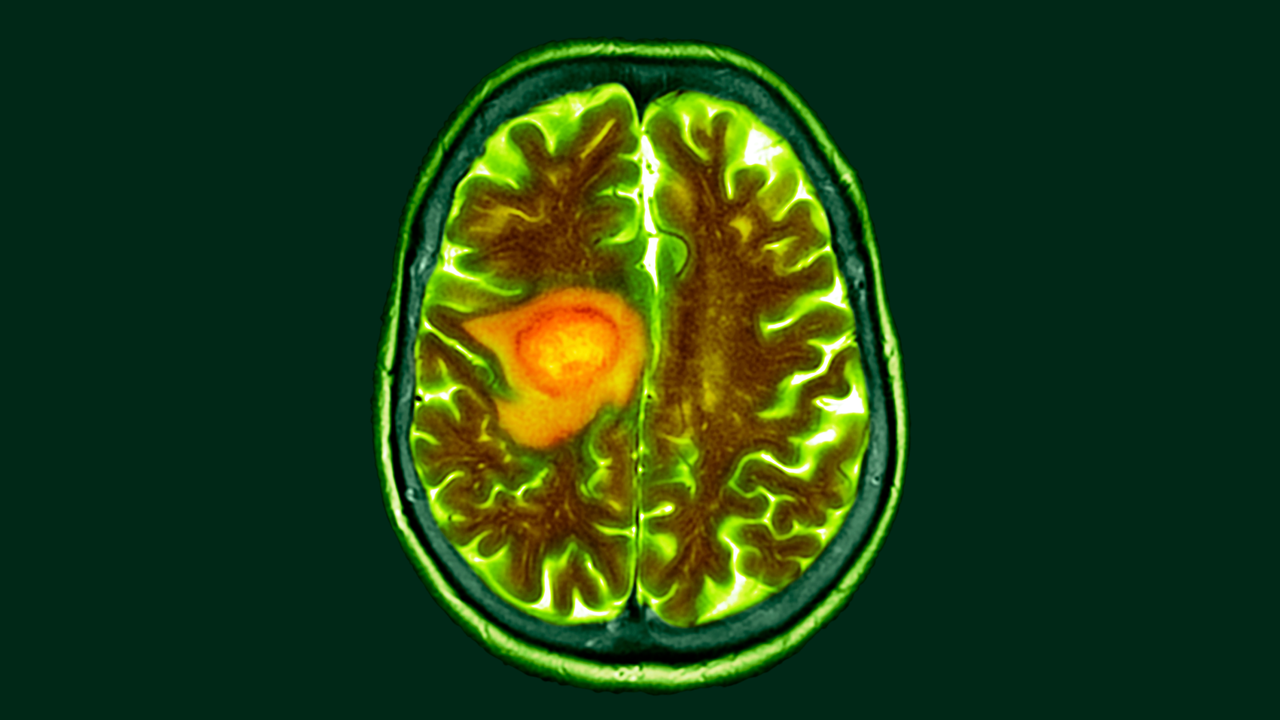
A dietary change may make the fatal brain cancer glioblastoma more vulnerable to cancer therapies, a new study suggests.
The researchers behind the work think this dietary change exploits a key metabolic vulnerability in the cancer, and their work demonstrates that the approach extends survival in mice when used in combination with chemoradiation therapy.
Healthy cells in the brain need fuel to maintain their extensive list of functions, like electrical signaling and the release of chemical messengers. Cancer cells dispose of these normal processes as they rewire to become “professional dividing cells,” said study co-author Costas Lyssiotis, a professor of oncology at the University of Michigan.
These changes are of great interest to cancer researchers because they may allow therapies to distinguish between healthy cells and tumors, making them more targeted.
“The real art of delivering therapy is making it so that you kill the cancer way more than you kill the normal [cells],” Lyssiotis told Live Science.
Related: New treatment for most aggressive brain cancer may help patients live longer
The work, coordinated by University of Michigan oncologist Dr. Dan Wahl, assessed how glioblastoma warps its metabolism in both human and animal brains. The study ambitiously combined laboratory research and clinical practice by drawing some of its data from tissue taken from the brains of patients undergoing cancer surgery. The study required the collaboration of experts in human and rodent brain surgery, metabolic pathways, and molecular analysis.
The protocol began in the hours before surgery. The patients received an infusion of glucose, which was tagged so that it was detectable by molecular analysis techniques. The glucose flowed through their bloodstreams and into both their healthy and tumorous cells.
A common approach for glioblastoma surgery is to remove the tumor and some surrounding brain tissue to minimize the risk of the cancer quickly growing back. The team took blood samples every 30 minutes during surgery and then flash-froze the excised tumor and healthy tissue for analysis.
These extracted cells had metabolized the glucose, and the researchers tracked the molecules’ path through the cells. In concert with experiments in mice, the researchers gained a clear view into what tumor cells were doing differently as they gobbled up the sugar.
Healthy cells metabolized glucose for cell processes like respiration, in which sugar and oxygen are converted into fuel for the cell. These cells also converted glucose into an amino acid called serine, a key ingredient for important neurotransmitter molecules.
The tumor cells, by contrast, set these processes aside. Instead, the cancer cells directed glucose to produce nucleotides — the building blocks of DNA. These molecules are vital fuel sources for the tumor cells’ endless replication.
Chemoradiation therapies attack cancer by destroying its DNA, but this rerouting gives the cancer cells a steady source of nucleotides with which to repair the damage. The study showed that the tumor cells also scavenged serine from surrounding tissues to further fuel their growth.
Here, Wahl and his team saw an opportunity. They put mice that had been transplanted with human cancer cells on a feeding regimen that drastically reduced their dietary serine. Lyssiotis suggested that this could potentially be replicated in human cancer patients with a low-protein diet supplemented with serine-free protein shakes.
As this cut the amount of serine available for tumor cells, it forced the cancer to reroute its glucose metabolism back into serine production. In turn, this slashed their nucleotide synthesis and made the cells more vulnerable to chemoradiation. Mice given this treatment combination lived longer than mice that were only given chemoradiation.
Lyssiotis explained that this vulnerability would likely work for a limited time, as glioblastoma cells can deftly adapt their metabolisms. In addition, some tumor cells appeared to rely less than others on scavenged serine. “If you can hit that sweet spot, you deprive them of serine, and you come in with the therapies, you get them before they figure out a workaround,” he suggested.
Wahl is already beginning work on a follow-up clinical study to back up these results in mice with data from human cancer patients.
“We hope to be bringing that to our patients later this year or early next year,” he said. That work will also involve challenges and coordination. “Going through cancer treatment is hard. We’re asking people to come up for radiation every day, to take chemotherapy. I think asking someone to also follow a prescribed diet could be tricky,” he added.
But the current study has provided valuable information that will inform that future clinical work. “Part of what we’re excited about is that this isotope tracing protocol [tracking the tagged glucose] can tell us which tumors are making serine from glucose and which tumors are taking serine up from the environment,” Wahl said.
Lyssiotis noted that the paper’s pioneering metabolic analysis has identified additional dietary changes that could be explored in future work. Serine modification is the easiest to implement, for the moment. “We think that that’s just the tip of the iceberg,” he said.
This article is for informational purposes only and is not meant to offer medical or dietary advice.
