Close Menu
  • Home
  • UNSUBSCRIBE
  • News
  • Lifestyle
  • Tech
  • Entertainment
  • Sports
  • Travel
Facebook X (Twitter) WhatsApp
Trending
  • ‘Lifelong monogamy’ and ‘half orphans’: DNA analysis reveals clues about life on the Roman frontier after the fall of Rome
  • Can NASA and SpaceX really build a moon base in the next 10 years?
  • Birds in cities appear to dislike men less than women, and experts have no idea why
  • ‘One of the most rapid transitions that I’ve seen’: NOAA forecaster on how this year’s El Niño could shatter records
  • May’s Flower ‘micromoon’ will look extra small tonight, with a rare Blue Moon following
  • ‘If astrological compatibility exists, its effects should be observable’: TL;DR — it’s not
  • Humanoid robots have outpaced human runners in the half-marathon, beating the world record ‪—‬ here are the secrets to this astonishing feat
  • Google AI breakthrough means chatbots use six times less memory during conversations without compromising performance
Facebook X (Twitter) WhatsApp
Baynard Media
  • Home
  • UNSUBSCRIBE
  • News
  • Lifestyle
  • Tech
  • Entertainment
  • Sports
  • Travel
Baynard Media
Home»Lifestyle»A gulf separating Africa and Asia is still pulling apart — 5 million years after scientists thought it had stopped
Lifestyle

A gulf separating Africa and Asia is still pulling apart — 5 million years after scientists thought it had stopped

EditorBy EditorNovember 17, 2025No Comments3 Mins Read
Share Facebook Twitter Pinterest LinkedIn Tumblr Reddit Telegram Email
Share
Facebook Twitter LinkedIn Pinterest Email

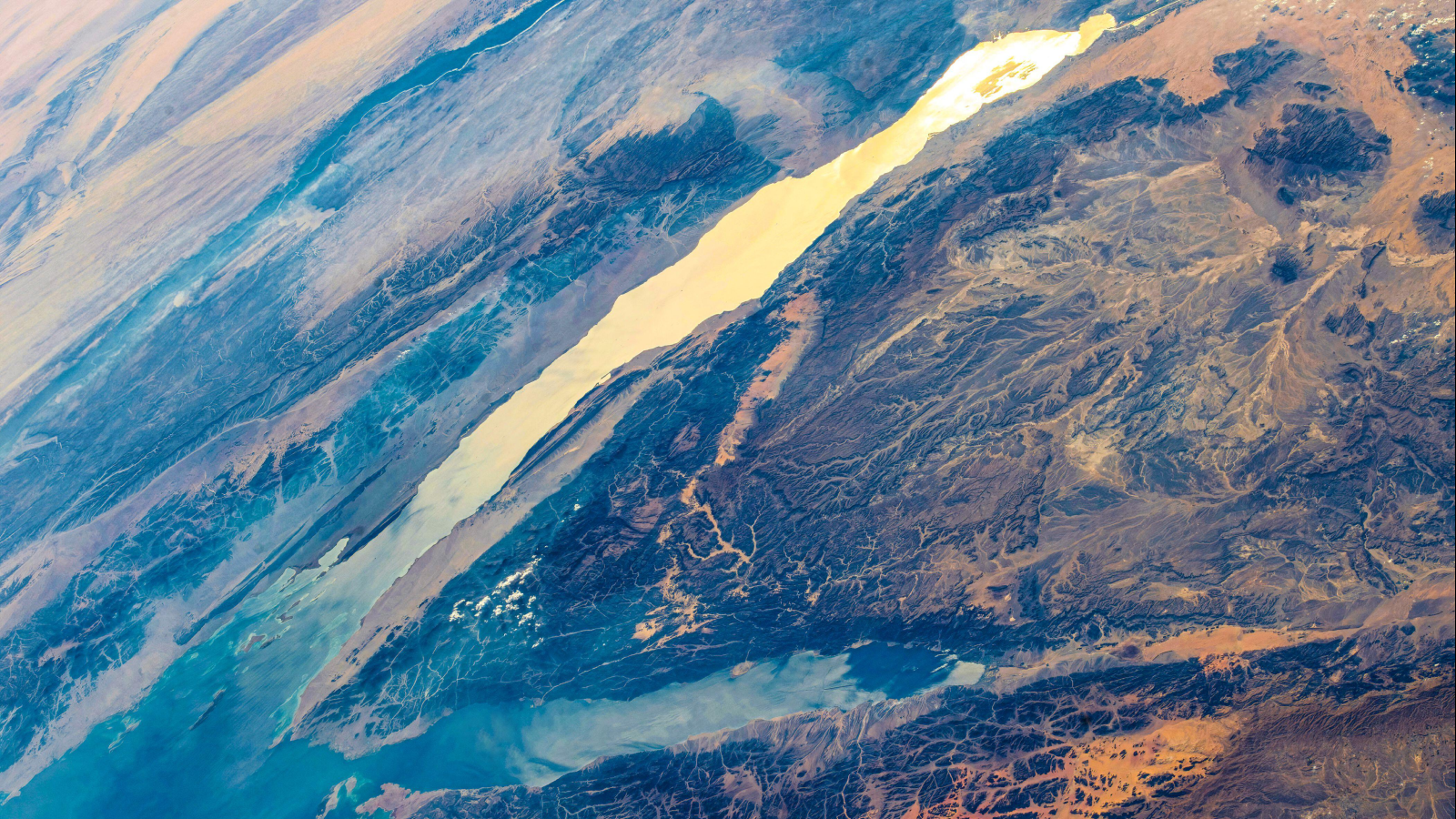
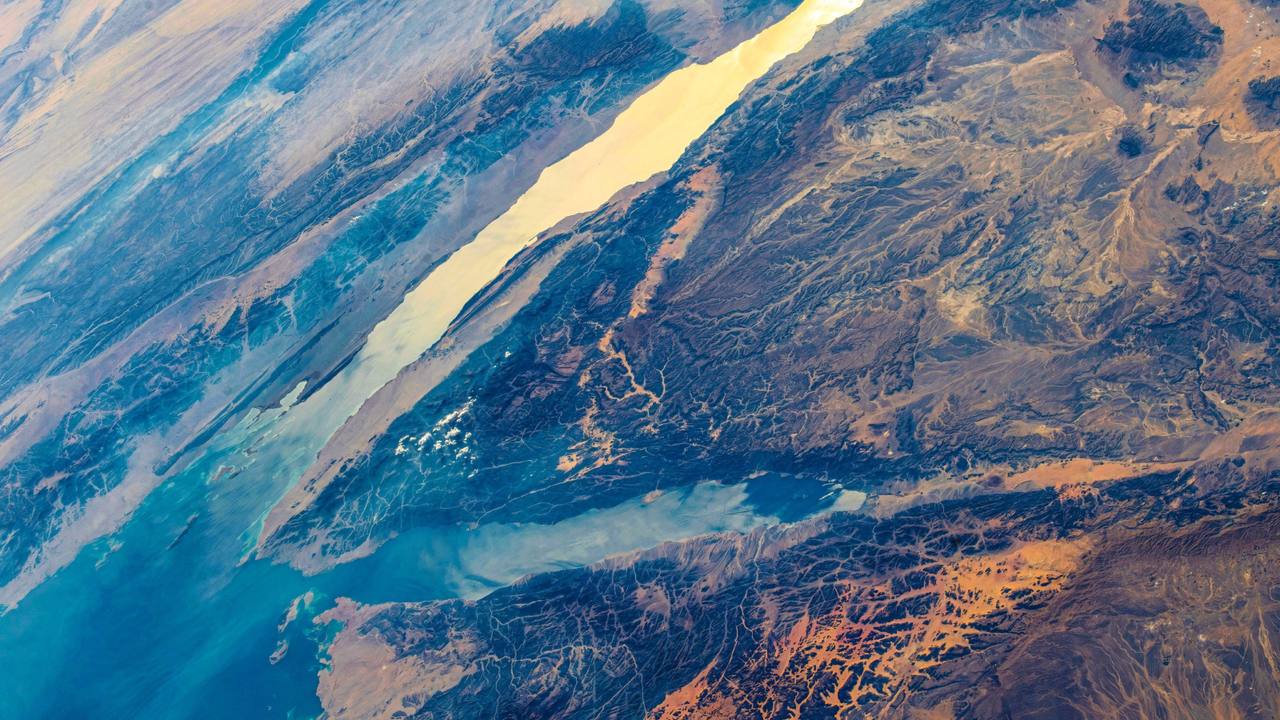
The Gulf of Suez, which partially divides Africa and Asia, may still be widening, researchers have discovered.

Beginning about 28 million years ago, the Arabian tectonic plate pulled away from the African plate, opening up today’s Gulf of Suez. This kind of rift is how new oceans are born — but about 5 million years ago, the rifting stopped, and Suez stayed a gulf, not an ocean.

That’s the conventional story, anyway. But new research suggests that the Suez rift never stopped rifting. Instead, it simply slowed down. A new paper published Nov. 3 in the journal Geophysical Research Letters has revealed that the Suez rift is still pulling apart by about 0.02 inches (0.5 millimeters) a year.


You may like

“We believe our work fundamentally changes how we think about rift evolution,” study lead author David Fernández-Blanco, a geoscientist at the Chinese Academy of Science’s Institute of Deep-Sea Science and Engineering, told Live Science in an email. “The current conceptual model is rather binary: rifts either succeed (forming new ocean basins like the Red Sea) or fail (becoming completely inactive). We’re showing there’s a middle path by which rifts can decelerate without truly failing.”

The Gulf of Suez is typically seen as the textbook example of a failed rift, Fernández-Blanco said, but there have been scattered hints that the region might still be rifting. In some places along the gulf, ancient coral reefs have been lifted above sea level; small earthquakes sometimes shake the area; and there are signs of faults lifting portions of the ground.

“What struck us was the disconnect between the conventional narrative of complete tectonic quiescence and the hints of ongoing activity,” Fernández-Blanco said.

In the new study, the researchers studied the 186-mile (300 kilometers) extent of the rift zone, examining the topography and the paths of rivers cutting through rock, which can reveal unusual profiles that can’t be explained by erosion alone and so must come from tectonic movement. They also studied the elevations of coral reefs that formed around sea level during warm interglacial periods but now tower up to 60 feet (18.5 meters) above the gulf.

Get the world’s most fascinating discoveries delivered straight to your inbox.

Together, the evidence pointed to continual rifting that slowed 5 million years ago, when the plate motions changed and the tectonic action shifted to the Dead Sea, where a new plate boundary between the African and Arabian plates was forming.

The rifting didn’t stop, though. It continues to pull apart the Gulf of Suez at a similar rate to the current extension of the western United States. This extension in the western U.S. is creating a series of mountains and valleys known as the Basin and Range province.

“Changing plate boundary conditions don’t necessarily shut down rifting,” said Fernández-Blanco. “The forces driving rifting are more persistent and complex than simple plate motion would suggest.”

The findings could mean that areas like the Gulf of Suez are more prone to damaging earthquakes than has been believed, he added. It also suggests other supposedly failed rifts might deserve a second look with modern tools to see if they’ve really stopped rifting, he said.

“We may reveal that Earth’s tectonic systems are more dynamic and persistent than we previously thought,” he said.

Source link

Share. Facebook Twitter Pinterest LinkedIn Tumblr Email
Previous ArticleNFL news: Fans react to Lions’ Jameson Williams’ celebration
Next Article Marjorie Taylor Greene blasts Trump for ‘vicious’ attacks after saying her company received a pipe bomb threat
Editor
  • Website

Related Posts

Lifestyle

‘Lifelong monogamy’ and ‘half orphans’: DNA analysis reveals clues about life on the Roman frontier after the fall of Rome

May 2, 2026
Lifestyle

Can NASA and SpaceX really build a moon base in the next 10 years?

May 2, 2026
Lifestyle

Birds in cities appear to dislike men less than women, and experts have no idea why

May 1, 2026
Add A Comment

Comments are closed.

Categories
  • Entertainment
  • Lifestyle
  • News
  • Sports
  • Tech
  • Travel
Recent Posts
  • ‘Lifelong monogamy’ and ‘half orphans’: DNA analysis reveals clues about life on the Roman frontier after the fall of Rome
  • Can NASA and SpaceX really build a moon base in the next 10 years?
  • Birds in cities appear to dislike men less than women, and experts have no idea why
  • ‘One of the most rapid transitions that I’ve seen’: NOAA forecaster on how this year’s El Niño could shatter records
  • May’s Flower ‘micromoon’ will look extra small tonight, with a rare Blue Moon following
calendar
May 2026
M T W T F S S
 123
45678910
11121314151617
18192021222324
25262728293031
« Apr    
Recent Posts
  • ‘Lifelong monogamy’ and ‘half orphans’: DNA analysis reveals clues about life on the Roman frontier after the fall of Rome
  • Can NASA and SpaceX really build a moon base in the next 10 years?
  • Birds in cities appear to dislike men less than women, and experts have no idea why
About

Welcome to Baynard Media, your trusted source for a diverse range of news and insights. We are committed to delivering timely, reliable, and thought-provoking content that keeps you informed
and inspired

Categories
  • Entertainment
  • Lifestyle
  • News
  • Sports
  • Tech
  • Travel
Facebook X (Twitter) Pinterest WhatsApp
  • Contact Us
  • About Us
  • Privacy Policy
  • Disclaimer
  • UNSUBSCRIBE
© 2026 copyrights reserved

Type above and press Enter to search. Press Esc to cancel.