
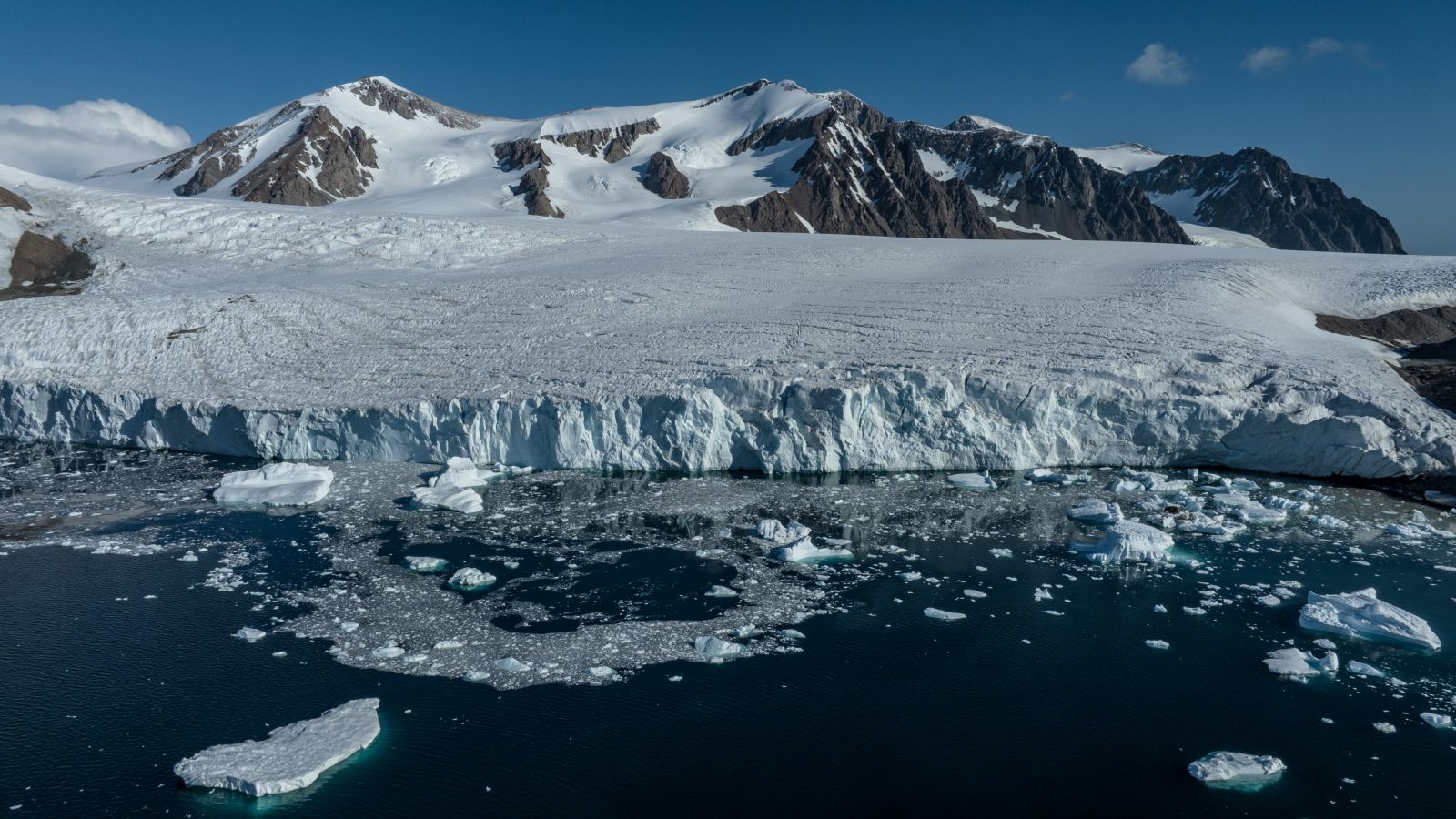
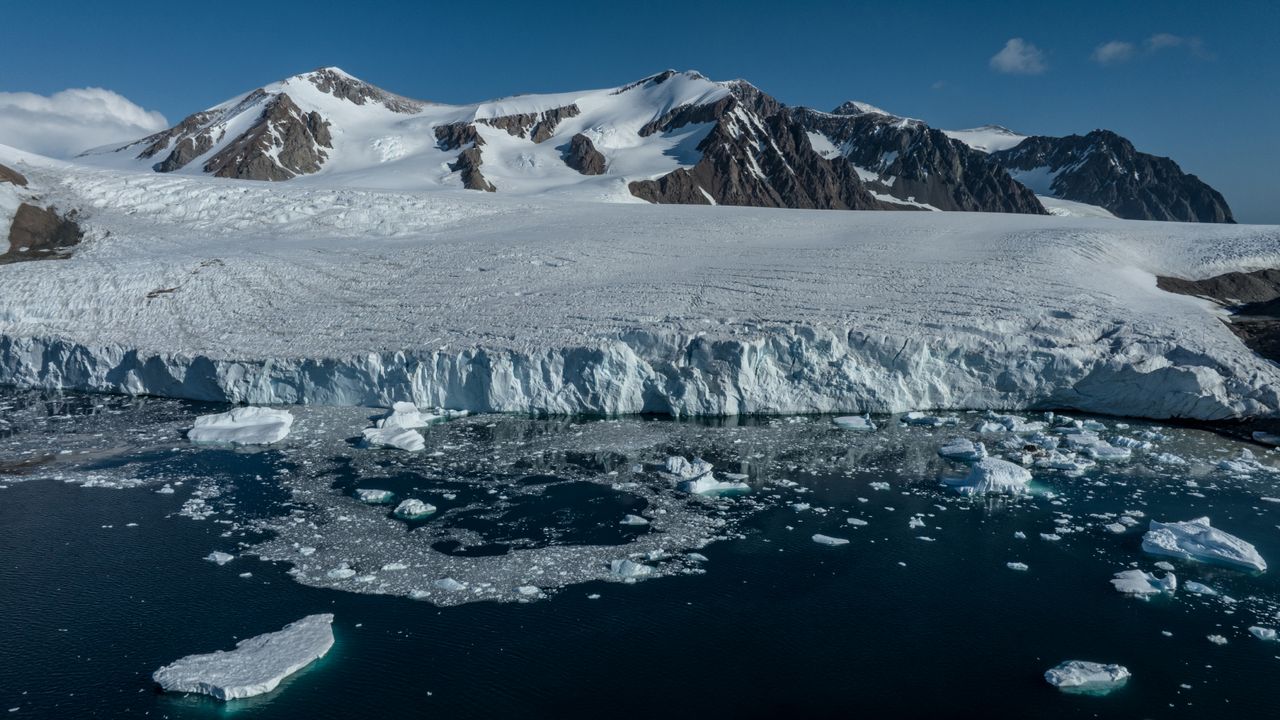
Something strange has been swirling in the waters around Antarctica. From the 1970s until a decade ago, the floating sea ice that radiates from the continent had been expanding, even with climate change already in full swing. Then, in 2016, it suddenly and dramatically contracted — and has yet to recover — as rising global temperatures seemed to catch up with the Southern Ocean. Far from being just a local issue, the loss of sea ice has huge implications for Antarctica’s vast ice sheet, which would drive sea levels up 190 feet if it disappeared.
Now, scientists say they’ve identified what’s behind this rise and sudden fall, thanks to an assist from deep-diving robots. It all comes down to salinity, winds, and churn. “One of the key takeaways from the study is that the ocean plays a huge role in sort of modulating how sea ice can vary from year to year, decade to decade,” said Earle Wilson, a polar oceanographer at Stanford University and lead author of a new paper describing the research.
Now, forget about robots and think about swimming in a lake. When you dive, you’re hit by a sudden rush of cold water. That’s because the sun warms the surface, while the depths stay cool. This also happens in the world’s oceans, though obviously the cold water goes much deeper.
The opposite happens in the waters around Antarctica. Because it’s so cold down there, the air cools the ocean surface, while warmer waters swirl below. (Argo robots could detect this in fine detail as they ascended and descended.) With warmer liquid kept away from the surface, more sea ice can form.
As sea ice expanded in the decades before 2016, increased precipitation made surface waters fresher, in contrast to saltier waters below, resulting in stratification. (The saltier a liquid is, the denser it becomes.) This trapped the warmth in the depths, allowing it to build up.
Then the atmosphere played yet another trick, as winds intensified and shifted. This pushed surface waters away from Antarctica and churned up that deeper warmth. “What we witnessed was basically this very violent release of all that pent up heat from below that we linked to the sea ice decline,” Wilson said.
This bluster was likely driven at least in part by climate change: As the planet warms, the atmosphere develops temperature gradients, which strengthen winds and change their patterns. Scientists, though, are still working out how much of this shift might be due to “natural variability,” or what might happen anyway if humans hadn’t released so much carbon since the Industrial Revolution.
Either way, the system shifted around 2016. Beyond bringing up warm waters, all that wind may have broken up the ice, both by pushing blocks together and by creating waves. “Recent research has shown that both atmospheric and oceanic warming is likely contributing to the sudden change in Antarctic sea-ice extent since 2016, and this paper helps to further develop the point that deeper ocean warmth is a significant player,” said Zachary Labe, a climate scientist at the research group Climate Central who studies Antarctic ice but wasn’t involved in the paper.
As sea ice has declined, it has imperiled far more ice elsewhere. The Antarctic ice sheet that rests on land is bolstered by ice shelves that float along the coast. These essential supports are already in serious trouble as warming seas and violent underwater storms erode their bellies, weakening them. If they also lose the sea ice floating around them, they lose a significant buffer, as the floating chunks absorb wave energy. In addition, a healthy amount of sea ice is quite bright, meaning it reflects a bunch of the sun’s warmth into space, reducing local temperatures. Because the ice shelves hold back the ice sheet, losing them would mean an accelerated decline of an extraordinary amount of frozen water sitting on the continent.
While the Argo floats provided invaluable data, scientists are scrambling to get still more measurements. “Overall, we need more international support to continue building observing networks across the Antarctic polar region, both for oceanic and atmospheric monitoring,” Labe said. “This is critical given the rapid changes we are beginning to observe in this part of the world in a warming climate, with potentially significant consequences for global sea level rise.”
The big question now is whether we’re witnessing a permanent state of low sea ice, or whether atmospheric and oceanic conditions might swing back enough to encourage years of growth. The promise of this new research is that it will help researchers refine their models to predict how much the waters around Antarctica might change, and how quickly. Perhaps sea ice will see years of sharp decline, followed by years of growth. “But the long-term, multidecade trend will be negative,” Wilson said. “That would be my guess, but we don’t know for sure.”
This story was originally published by Grist. Sign up for Grist’’sweekly newsletter here.
