Close Menu
  • Home
  • UNSUBSCRIBE
  • News
  • Lifestyle
  • Tech
  • Entertainment
  • Sports
  • Travel
Facebook X (Twitter) WhatsApp
Trending
  • Ancient squirrel poop from Arctic permafrost contains DNA from mammoths, bison, horses and big cats
  • The Milky Way returns: How to take breathtaking photos of our galaxy this summer
  • Intestinal parasite transformed into antitoxin factory that can live in the body in early study
  • Complete skin of an adult horse found with 10th-century woman and newborn in rare Siberian burial
  • ‘Geminid Symphony’ and ‘Galactic Gandalf’: See the breathtaking views of our home galaxy from the 2026 Milky Way Photographer of the Year contest
  • Japan’s ‘crawling’ moon robot LEV-2 passed its historic first lunar mission with flying colors
  • Artificial turf contains 400 chemicals tied to cancer and hormone disruption. But is it unsafe?
  • ‘Just defies belief’: 5 million-year-old whale graveyard stretches for 750 miles in the Indian Ocean
Facebook X (Twitter) WhatsApp
Baynard Media
  • Home
  • UNSUBSCRIBE
  • News
  • Lifestyle
  • Tech
  • Entertainment
  • Sports
  • Travel
Baynard Media
Home»Lifestyle»Why do cats and dogs shake their heads?
Lifestyle

Why do cats and dogs shake their heads?

EditorBy EditorApril 26, 2026No Comments5 Mins Read
Share Facebook Twitter Pinterest LinkedIn Tumblr Reddit Telegram Email
Share
Facebook Twitter LinkedIn Pinterest Email

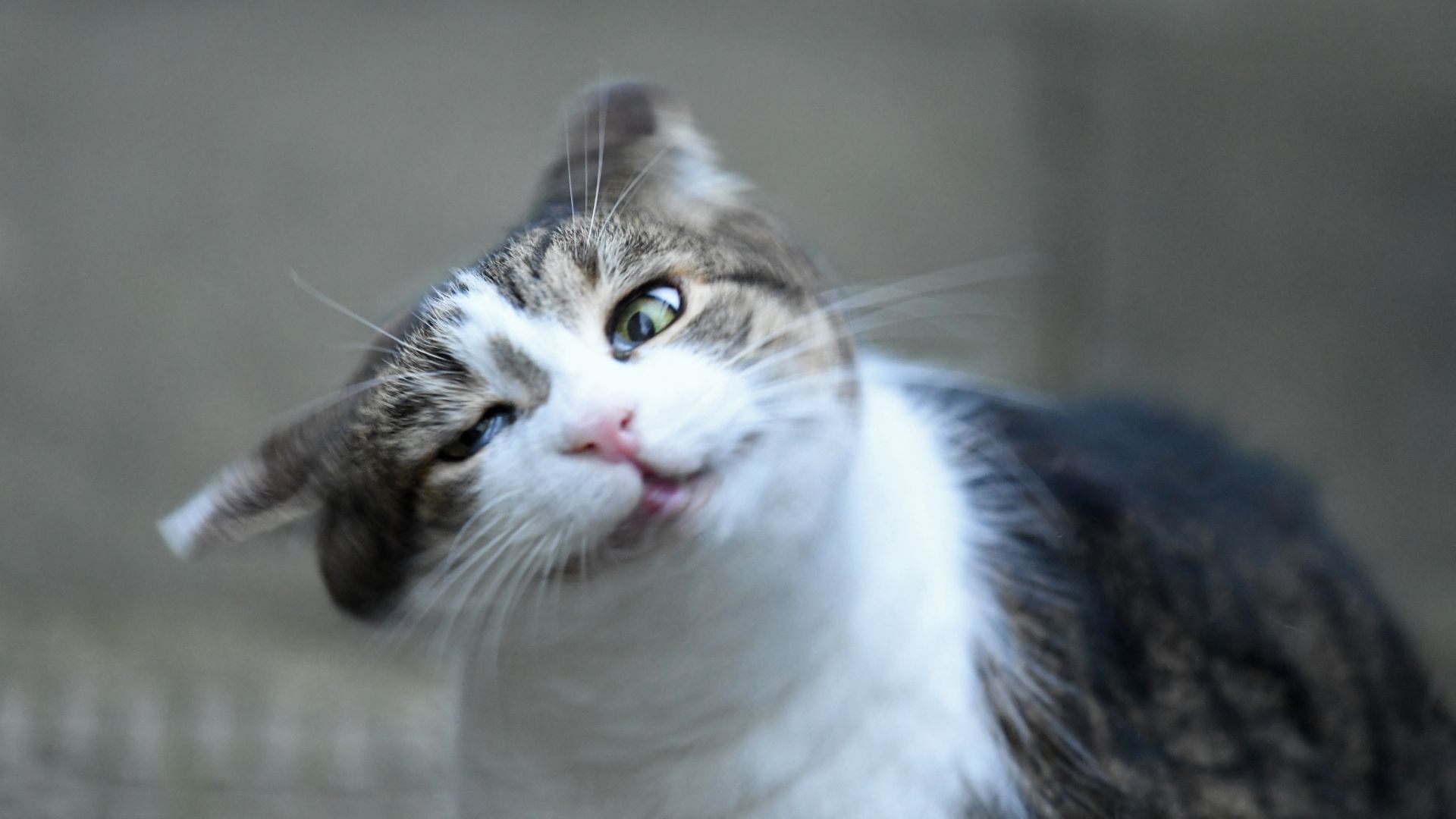
Most cat owners are familiar with the funny head shake their pets do, often after eating, drinking or enjoying a nice cheek scratch ​​‪—‬ they flick their head back and forth a mile a minute. Dogs and other mammals are known to show similar behaviors.

So why do our furry friends shake like this, and does it mean something is wrong?

Usually, this head shaking is totally normal, experts told Live Science. However, the reasons for it can vary a bit between cats and dogs.


You may like

Why cats shake their heads

Sign up for our newsletter!

Life's Little Mysteries logo with a question mark in a magnifying glass

(Image credit: Marilyn Perkins / Future)

Sign up for our weekly Life’s Little Mysteries newsletter to get the latest mysteries before they appear online.

Cats shake their heads when the nerve endings on their heads are stimulated, Sarah Crowley, an anthrozoologist at the University of Exeter in England, told Live Science.

“The physiological driver for it is stimulation of the very sensitive hairs and nerve endings around the top of the head, particularly around the ears,” she said.

These nerve endings can be stimulated by a satisfying scratch, prompting the kitty to shake it off. “If a caregiver has touched a sensitive area” ‪—‬ for example, around the ears or whiskers — “this may result in a head shake,” said Amy Miele, a clinical animal behavior lecturer at The Royal (Dick) School of Veterinary Studies at the University of Edinburgh in Scotland.

This rapid swinging motion is very effective at dislodging obstructions, such as food or drink, from the cat’s ears or whiskers. It can also help to resettle their fur, Crowley added.

“Often the head shake is followed by grooming of the face [or] ears,” Miele told Live Science in an email.
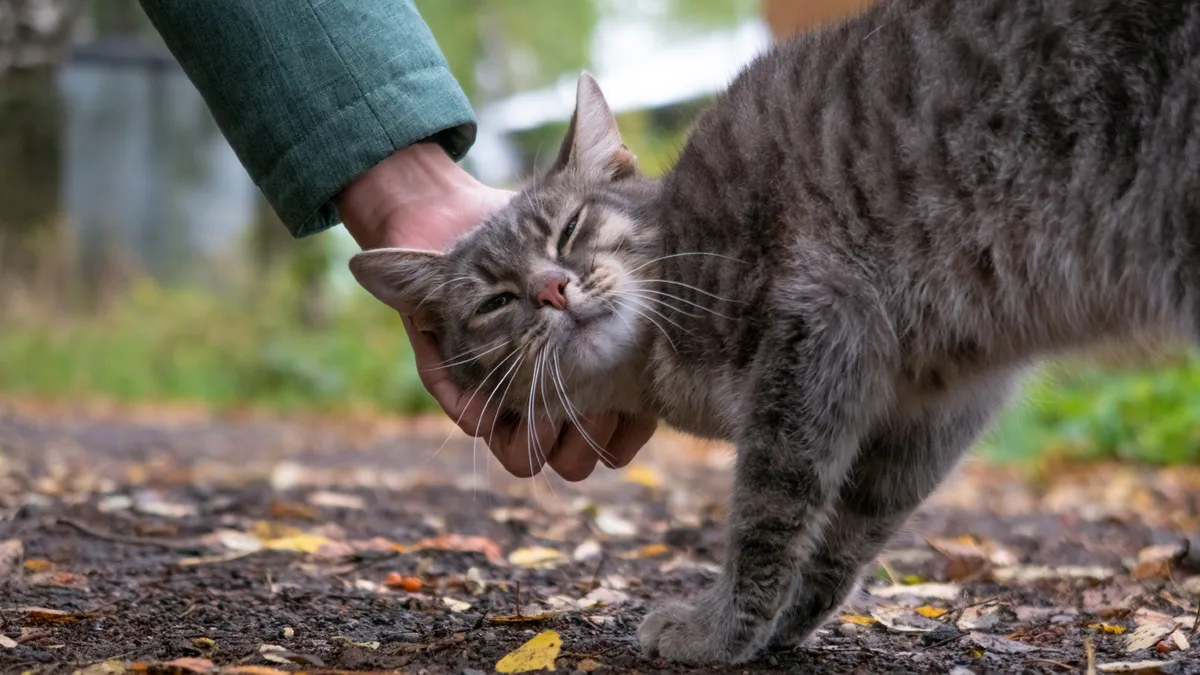
A brown tabby cat gets petted behind its left ear by someone wearing a turquoise jacket.

Cats often shake their heads after a satisfying scratch. (Image credit: Viktor Lapin / 500px via Getty Images)

The rapid head toss can also indicate annoyance. It’s often a response to having their ear blown on — not something you should do on purpose, as they don’t like it.

Thankfully, this erratic side-to-side motion doesn’t usually cause dizziness. “Animals (including humans) are more likely to make themselves dizzy by spinning in circles,” Miele said.


What to read next

The full-body shake

Cats aren’t the only animal with these silly shakes. “Lots of mammals have this head shake reflex to something in or around their ears,” Crowley said. “You see mice and rats do it when they’ve been eating and drinking.”

In dogs, breeds with upright ears, like German shepherds, are more likely to shake their heads than floppy-eared pups such as King Charles spaniels because it’s easier to get something (like a grass seed or insect) stuck in an open ear.

Dog owners might recognize other types of shakes: the predatory shake (when your pooch tries to playfully “kill” its toys by whipping its head from side to side while its “prey” is in its mouth) and the full-body shake, sometimes called the “wet dog shake.” “It starts at the head and then rolls down the whole body and ends at the tail,” Crowley said. This is the kind of post-bath shake that soaks everything in your bathroom before you’ve had a chance to dry Fido with a fluffy towel.
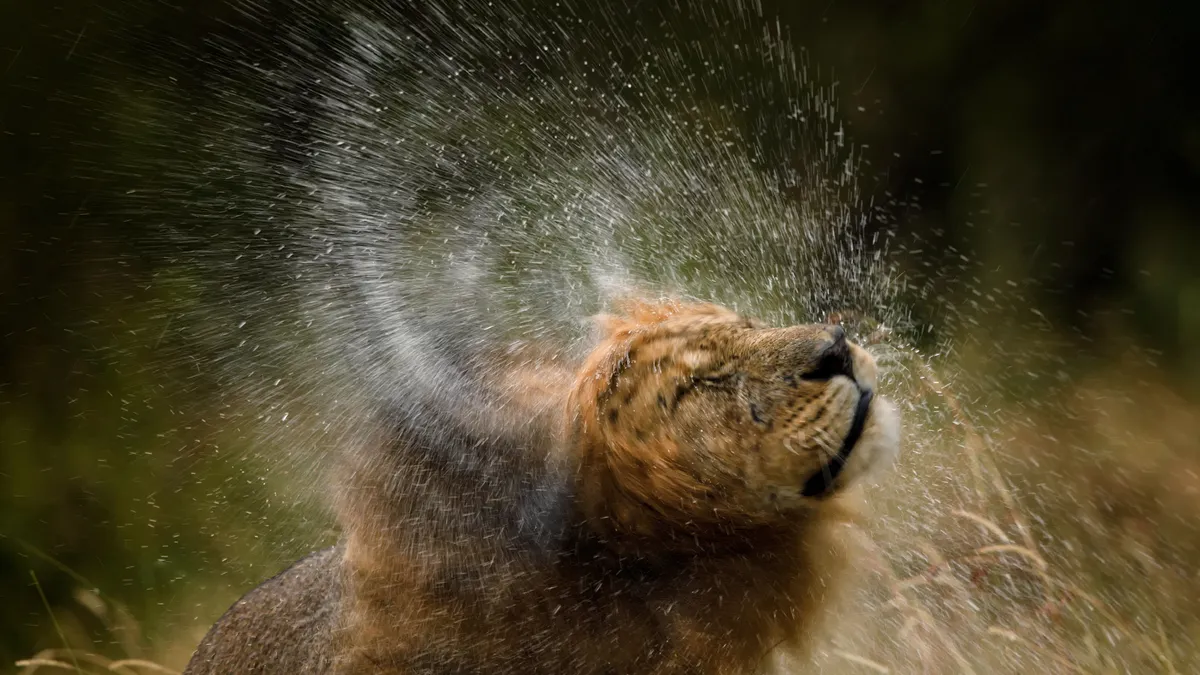
A golden colored lion is caught in the middle of shaking its head as arcs of water spray out from its head.

A male lion shakes its head, sending water spraying in all directions from its wet mane. (Image credit: Paul & Paveena Mckenzie via Getty Images)

The full-body shake can also indicate a transition between places or behavioral states ‪—‬ for example, if the pup just experienced something stressful or exciting. “This ‘shake off’ is a way of helping the animal to relieve tension and reset emotionally and physically,” Miele said.

“It could be after quite an intense play session with another dog that was really fun,” Crowley added. “You often see both dogs will finish playing, and then they’ll both shake, and then they’ll go do something else.”

When to be concerned about your pet shaking its head

Although head shaking can be normal, if your pet starts doing it more often, in unusual circumstances, or while scratching or tilting their head, it might indicate a medical issue, such as an infection, parasite, irritation, neurological problem or something lodged in their ear.

“It’s painful and uncomfortable, and that’s the only thing that they can do, apart from stick their foot in it,” Crowley said.

If you’re concerned about your pet’s head shaking, consult your vet. “If ear infections are left untreated, then this can result in hearing loss and risks the infection spreading beyond the tympanic membrane (ear drum) and into the middle ear, causing problems with balance and resulting in the animal becoming very unwell,” Miele said.

For the most part, though, head shaking is just an adorably normal behavior that helps your pet stay clean and comfortable.

This article is for informational purposes only and is not meant to offer medical advice.


How much do you know about cats? Test your knowledge with our cat quiz!

Source link

Share. Facebook Twitter Pinterest LinkedIn Tumblr Email
Previous ArticleHow likely are you to find a message in a bottle?
Next Article Antarctica’s sea ice suddenly started shrinking a decade ago — and deep-diving robots are revealing why
Editor
  • Website

Related Posts

Lifestyle

Ancient squirrel poop from Arctic permafrost contains DNA from mammoths, bison, horses and big cats

June 11, 2026
Lifestyle

The Milky Way returns: How to take breathtaking photos of our galaxy this summer

June 11, 2026
Lifestyle

Intestinal parasite transformed into antitoxin factory that can live in the body in early study

June 11, 2026
Add A Comment

Comments are closed.

Categories
  • Entertainment
  • Lifestyle
  • News
  • Sports
  • Tech
  • Travel
Recent Posts
  • Ancient squirrel poop from Arctic permafrost contains DNA from mammoths, bison, horses and big cats
  • The Milky Way returns: How to take breathtaking photos of our galaxy this summer
  • Intestinal parasite transformed into antitoxin factory that can live in the body in early study
  • Complete skin of an adult horse found with 10th-century woman and newborn in rare Siberian burial
  • ‘Geminid Symphony’ and ‘Galactic Gandalf’: See the breathtaking views of our home galaxy from the 2026 Milky Way Photographer of the Year contest
calendar
June 2026
M T W T F S S
1234567
891011121314
15161718192021
22232425262728
2930  
« May    
Recent Posts
  • Ancient squirrel poop from Arctic permafrost contains DNA from mammoths, bison, horses and big cats
  • The Milky Way returns: How to take breathtaking photos of our galaxy this summer
  • Intestinal parasite transformed into antitoxin factory that can live in the body in early study
About

Welcome to Baynard Media, your trusted source for a diverse range of news and insights. We are committed to delivering timely, reliable, and thought-provoking content that keeps you informed
and inspired

Categories
  • Entertainment
  • Lifestyle
  • News
  • Sports
  • Tech
  • Travel
Facebook X (Twitter) Pinterest WhatsApp
  • Contact Us
  • About Us
  • Privacy Policy
  • Disclaimer
  • UNSUBSCRIBE
© 2026 copyrights reserved

Type above and press Enter to search. Press Esc to cancel.