Close Menu
  • Home
  • UNSUBSCRIBE
  • News
  • Lifestyle
  • Tech
  • Entertainment
  • Sports
  • Travel
Facebook X (Twitter) WhatsApp
Trending
  • Lemur used in ‘lemur yoga’ session dies of human herpesvirus, study finds
  • ‘A fine line between reducing stigma and trivialising conditions’: Social media, self-diagnosis and the glamorization of ADHD
  • New 2D memory device stores data on just a single electron
  • Before we ban kids from social media completely, here’s what we should try first | Jonathan Bellack and Mariana Olaizola Rosenblat
  • Scientists uncover a better way to beat ‘the bends’ — using deep-diving pigs
  • Mars may have been losing its water more than 4 billion years ago, oldest-known Martian meteorite suggests
  • ‘The lance head was still inside the pelvis’: Mass grave found in Austria may hold casualties of unknown ancient Roman battle
  • ‘Full-on berserker mode’: Archaeologists solve mystery of medieval soldiers with gruesome square holes in their skull
Facebook X (Twitter) WhatsApp
Baynard Media
  • Home
  • UNSUBSCRIBE
  • News
  • Lifestyle
  • Tech
  • Entertainment
  • Sports
  • Travel
Baynard Media
Home»Lifestyle»Why does pooping feel so good?
Lifestyle

Why does pooping feel so good?

EditorBy EditorOctober 25, 2025No Comments2 Mins Read
Share Facebook Twitter Pinterest LinkedIn Tumblr Reddit Telegram Email
Share
Facebook Twitter LinkedIn Pinterest Email

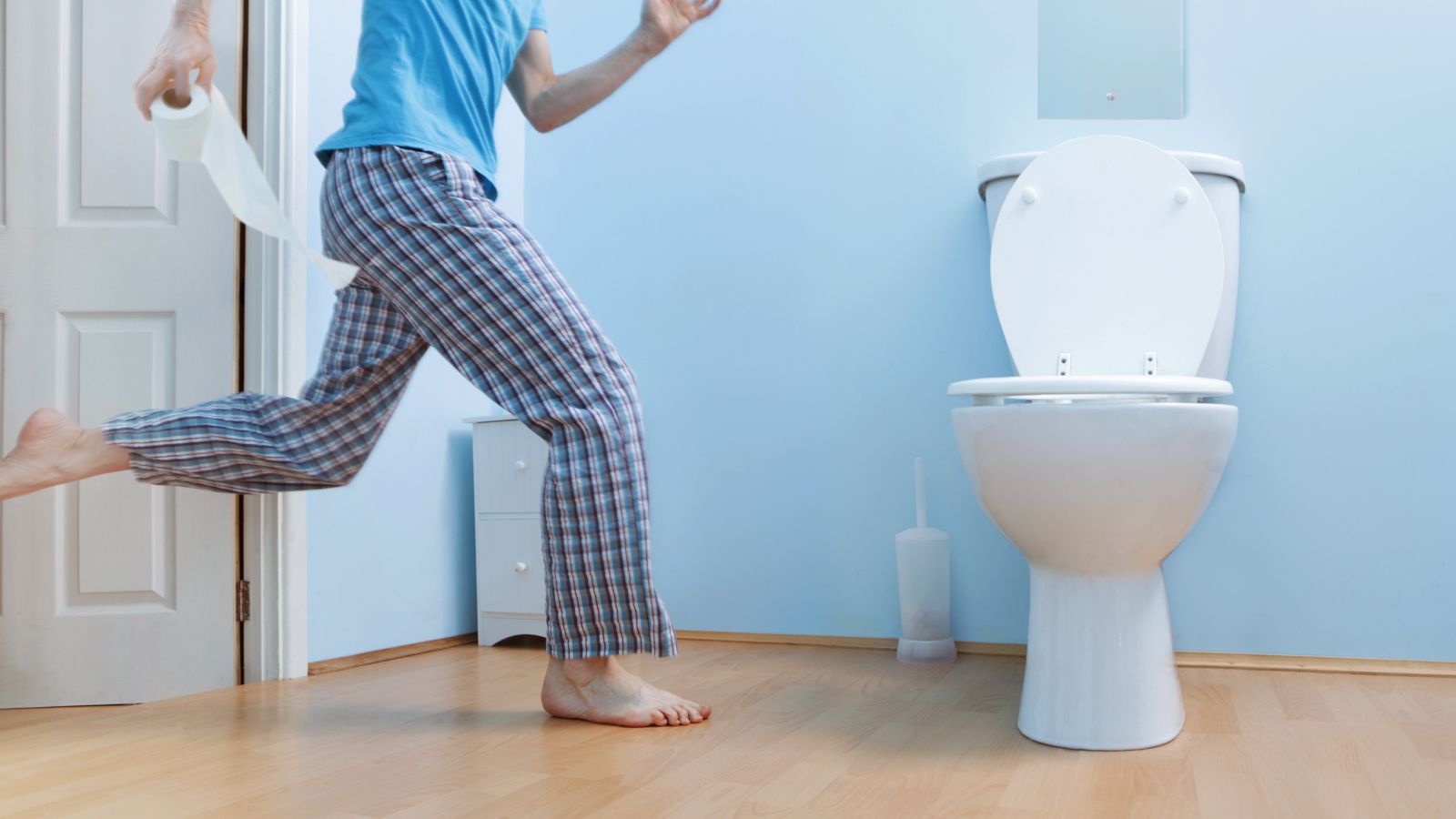
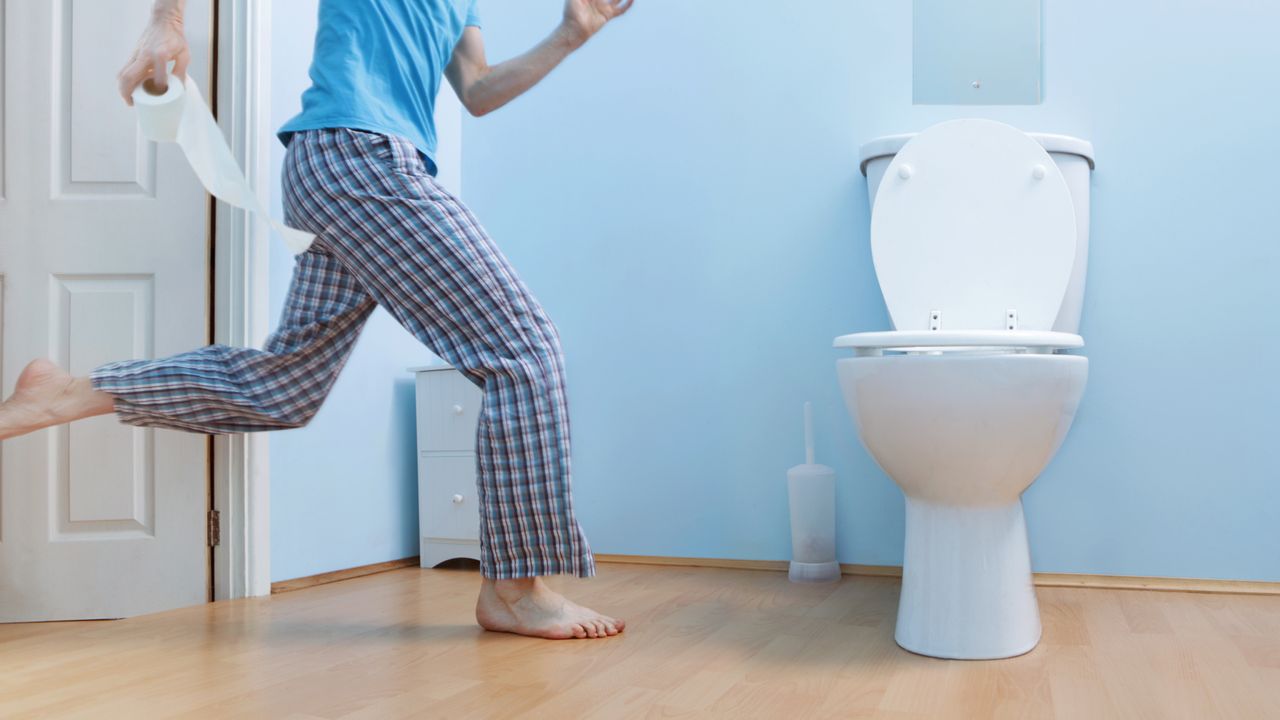
You’ve downed a cup of strong coffee, and soon you have an urge to poop. After you’ve done your business, you feel a sense of relief. So why does that bowel movement feel so satisfying?

“For something that is one of the most common things humans do, I still think we’re lacking in complete understanding of how pooping works and why it offers relief,” Dr. Hannibal Person, a pediatric gastroenterologist at Seattle Children’s Hospital, told Live Science. There are many physical, behavioral and psychological factors that could contribute to this feeling.

As the bowels fill up, nerve endings communicate an uncomfortable stretching sensation to the brain. The expansion stimulates the internal sphincter of the anus to open involuntarily. Typically, thanks to the external sphincter, we don’t immediately poop.


You may like

“We can clench our anus, tighten up our pelvic floor, even flex other muscles, like our hamstring, to kind of hold things back,” Person said. But that uncomfortable pressure tells us to get to a bathroom.

Emptying out the bowels by releasing stool relieves this pressure, which feels good. This has been implied in functional MRI studies of the brain, said Dr. Lucinda Harris, a gastroenterologist and motility specialist at Mayo Clinic Alix School of Medicine in Arizona.

“When you relieve the distension, areas like the anterior cingulate gyrus and the insula show a reward response,” she said. These regions of the brain play a role in reacting to pain and relief of pain.

The gut communicates to the brain via the vagus nerve, one of the major cranial nerves. Evacuating the bowels stimulates the vagus nerve. This can lower a person’s blood pressure and heart rate, creating a relaxing feeling, Person said. Relieving the pressure and discomfort can also reinforce the behavior in a positive way.

While less understood than the effect on the vagus nerve, a bowel movement may also stimulate the pudendal nerve, said Person. This main nerve of the pelvis helps control the tension of the pelvic floor.

Holding back poop tenses up the pelvic floor muscles. “If people are holding on or tight, that creates more pain and tension in the area,” Harris said. “Teaching people to relax those muscles is extremely important.”

Source link

Share. Facebook Twitter Pinterest LinkedIn Tumblr Email
Previous ArticleD.C. sniper’s ex-wife reveals she was his intended target all along
Next Article Hurricane Melissa to bring ‘catastrophic’ flooding
Editor
  • Website

Related Posts

Lifestyle

Lemur used in ‘lemur yoga’ session dies of human herpesvirus, study finds

August 15, 2026
Lifestyle

‘A fine line between reducing stigma and trivialising conditions’: Social media, self-diagnosis and the glamorization of ADHD

August 15, 2026
Lifestyle

New 2D memory device stores data on just a single electron

August 15, 2026
Add A Comment

Comments are closed.

Categories
  • Entertainment
  • Lifestyle
  • News
  • Sports
  • Tech
  • Travel
Recent Posts
  • Lemur used in ‘lemur yoga’ session dies of human herpesvirus, study finds
  • ‘A fine line between reducing stigma and trivialising conditions’: Social media, self-diagnosis and the glamorization of ADHD
  • New 2D memory device stores data on just a single electron
  • Before we ban kids from social media completely, here’s what we should try first | Jonathan Bellack and Mariana Olaizola Rosenblat
  • Scientists uncover a better way to beat ‘the bends’ — using deep-diving pigs
calendar
August 2026
M T W T F S S
 12
3456789
10111213141516
17181920212223
24252627282930
31  
« Jul    
Recent Posts
  • Lemur used in ‘lemur yoga’ session dies of human herpesvirus, study finds
  • ‘A fine line between reducing stigma and trivialising conditions’: Social media, self-diagnosis and the glamorization of ADHD
  • New 2D memory device stores data on just a single electron
About

Welcome to Baynard Media, your trusted source for a diverse range of news and insights. We are committed to delivering timely, reliable, and thought-provoking content that keeps you informed
and inspired

Categories
  • Entertainment
  • Lifestyle
  • News
  • Sports
  • Tech
  • Travel
Facebook X (Twitter) Pinterest WhatsApp
  • Contact Us
  • About Us
  • Privacy Policy
  • Disclaimer
  • UNSUBSCRIBE
© 2026 copyrights reserved

Type above and press Enter to search. Press Esc to cancel.