Close Menu
  • Home
  • UNSUBSCRIBE
  • News
  • Lifestyle
  • Tech
  • Entertainment
  • Sports
  • Travel
Facebook X (Twitter) WhatsApp
Trending
  • New robotic heart mimics common, mysterious condition to help researchers study it
  • Canon EOS R6 III review: A wildlife wonder
  • Medieval babies and adults buried together in Sweden were not related, archaeologists discover — raising big questions about early Christian burial practices
  • NASA is creating a fifth state of matter on the ISS, thanks to an upgrade to a mini-fridge-sized quantum lab
  • New sodium metal battery design charges in just 4 minutes and retains its capacity for years
  • Quantum computing wielded to create extremely rare material critical to nuclear fusion
  • Scientists build tiny ‘diving suit’ for cockroaches, turning them into search-and-rescue cyborgs
  • Physicists develop the first working model of quantum mechanics using only ‘real’ numbers
Facebook X (Twitter) WhatsApp
Baynard Media
  • Home
  • UNSUBSCRIBE
  • News
  • Lifestyle
  • Tech
  • Entertainment
  • Sports
  • Travel
Baynard Media
Home»Lifestyle»Why do avocados turn brown so quickly — and are they OK to eat at that point?
Lifestyle

Why do avocados turn brown so quickly — and are they OK to eat at that point?

EditorBy EditorOctober 5, 2025No Comments4 Mins Read
Share Facebook Twitter Pinterest LinkedIn Tumblr Reddit Telegram Email
Share
Facebook Twitter LinkedIn Pinterest Email

The second you cut open an avocado, the clock starts ticking down. Within hours, the fruit goes from an appetizing green to an unappealing brown. But why do avocados turn brown so quickly?

It comes down to chemistry. Avocados have an enzyme called polyphenol oxidase (PPO).

“When you cut open an avocado, you are exposing the enzyme in the avocado cells to oxygen in the air,” Matthew Fatino, the subtropical crops adviser at the Cooperative Extension of University of California Agriculture and Natural Resources, told Live Science. PPO catalyzes the reaction of the avocado’s phenolic compounds, a large class of small molecules that have antioxidant and aromatic properties, with oxygen. This oxidation produces a pigmented compound called melanin, which is brown in avocados.


You may like

The oxidation process, often called enzymatic browning, breaks down the fruit. “Avocados are superhigh in fat content,” Fatino said. “Humans crave that nice, buttery, fat texture.” So, as the enzymes react with oxygen, the creamy fat in the fruit can start turning bitter, which isn’t so appealing.

A bit of browning doesn’t mean you should throw the avocado away, and you can still eat it.

“Only the exposed flesh will turn brown, and you can remove that thin layer and enjoy the green part underneath,” said Sarah Alsing, a registered dietitian and recipe creator for Delightfully Fueled.

Mashing up the avocado can also hide the slight bitterness. But there’s a limit, Fatino said. “If you let it go too far — I’m talking like days — you can kind of get a rancid taste,” he said.

How to make avocados last longer

You may have heard this trick to delay the browning process: Keep the pit in, if you’re not ready to use the whole avocado.

“It’s because the pit is covering a lot of the cells,” Fatino said. Some browning might occur around the pit, but it’ll be green below the pit.

The news isn’t so good for your leftover guac. “Conversely, if you smash up an avocado, it’ll brown way more quickly, because there is more surface area exposed to oxygen,” he added. However, covering unused avocado or prepared guacamole with plastic wrap or putting it in an airtight container limits the oxygen exposure and can help to preserve it.


You may like

Another way to keep an avocado fresh is to lower its pH so it’s more acidic. That’s why cut-up, packaged fruit often has lemon or lime juice in the ingredient list as a preservative — and it could help to add a little extra lime to your guacamole.

“The citric acid in lemon and lime juice delays oxidation,” Alsing said. “Squeeze a little juice over the avocado flesh to delay browning.”

In addition to turning brown, avocados sometimes have brown strands running through them.

“The fibrous threads in avocados are called vascular bundles, and they carry nutrients and water to help the avocado grow,” Alsing told Live Science. “These are usually only seen in avocados from immature trees.”

Avocados can also become fibrous if they overripen on the tree. If the fruits stay on too long past the season, the avocado pit — the fruit’s seed — starts to germinate. “The seed will probably pull more photoassimilates [carbohydrates created during photosynthesis] from the tree, and the vascular bundles are going to further develop to nurse that seed,” Fatino said.

Environmental stressors can also affect how long avocados last. The avocado tree — which is native to Mexico and Central America — is sensitive to frost and extreme heat.

“As little as a couple of degrees colder is enough to damage avocado buds and avocado trees to where it could ruin your crop for the next year,” Fatino said. Too much heat makes the tree shut down and drop fruit.

“With any kind of physical damage, oxygen can get in and the breakdown of the fruit is going to occur faster,” Fatino said.

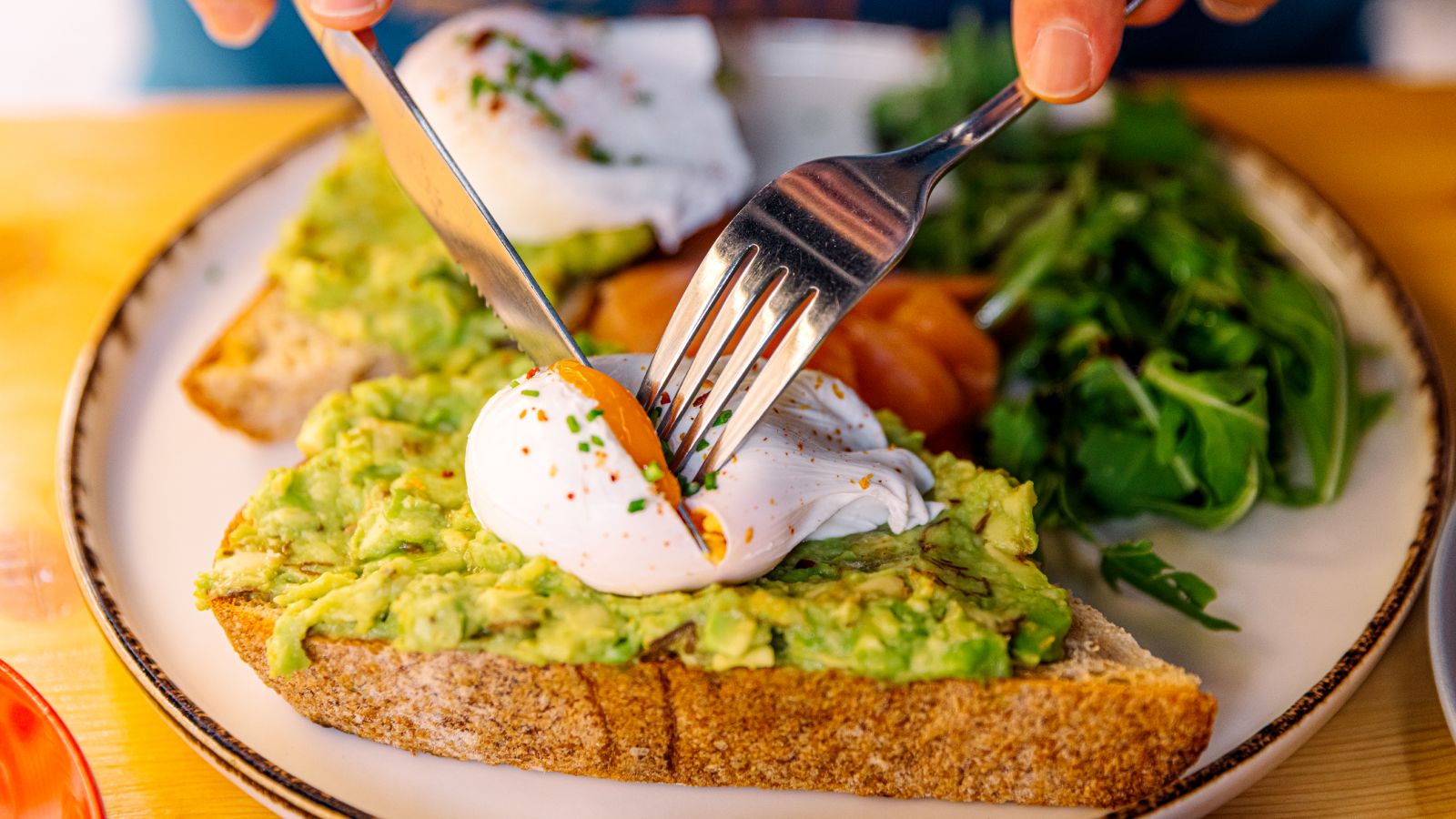
So whether you’re mashing it for guacamole, slicing it over toast, or scooping it to eat plain, don’t sweat a bit of browning on an avocado. Enjoy the tasty fruit, keep oxygen away from any leftover avocado, and squeeze on a little citrus juice.

Source link

Share. Facebook Twitter Pinterest LinkedIn Tumblr Email
Previous ArticleChildren’s sepsis deaths top 3.4 million worldwide, diagnosis remains difficult
Next Article Marco Rubio calls on Hamas to release hostages ‘as soon as possible’ amid peace deal: Full interview
Editor
  • Website

Related Posts

Lifestyle

New robotic heart mimics common, mysterious condition to help researchers study it

July 11, 2026
Lifestyle

Canon EOS R6 III review: A wildlife wonder

July 10, 2026
Lifestyle

Medieval babies and adults buried together in Sweden were not related, archaeologists discover — raising big questions about early Christian burial practices

July 10, 2026
Add A Comment

Comments are closed.

Categories
  • Entertainment
  • Lifestyle
  • News
  • Sports
  • Tech
  • Travel
Recent Posts
  • New robotic heart mimics common, mysterious condition to help researchers study it
  • Canon EOS R6 III review: A wildlife wonder
  • Medieval babies and adults buried together in Sweden were not related, archaeologists discover — raising big questions about early Christian burial practices
  • NASA is creating a fifth state of matter on the ISS, thanks to an upgrade to a mini-fridge-sized quantum lab
  • New sodium metal battery design charges in just 4 minutes and retains its capacity for years
calendar
July 2026
M T W T F S S
 12345
6789101112
13141516171819
20212223242526
2728293031  
« Jun    
Recent Posts
  • New robotic heart mimics common, mysterious condition to help researchers study it
  • Canon EOS R6 III review: A wildlife wonder
  • Medieval babies and adults buried together in Sweden were not related, archaeologists discover — raising big questions about early Christian burial practices
About

Welcome to Baynard Media, your trusted source for a diverse range of news and insights. We are committed to delivering timely, reliable, and thought-provoking content that keeps you informed
and inspired

Categories
  • Entertainment
  • Lifestyle
  • News
  • Sports
  • Tech
  • Travel
Facebook X (Twitter) Pinterest WhatsApp
  • Contact Us
  • About Us
  • Privacy Policy
  • Disclaimer
  • UNSUBSCRIBE
© 2026 copyrights reserved

Type above and press Enter to search. Press Esc to cancel.