Close Menu
  • Home
  • UNSUBSCRIBE
  • News
  • Lifestyle
  • Tech
  • Entertainment
  • Sports
  • Travel
Facebook X (Twitter) WhatsApp
Trending
  • Shimmering silver ‘sunglint’ obscures Hawaii as hurricane approaches — Earth from space
  • ‘Speculation’ and ‘egregious failure’: 30 researchers publish scathing critiques of study that questioned date of early human occupation of Monte Verde in Chile
  • Eruption blows hole in sun’s atmosphere, unleashing solar flare and potentially triggering northern lights
  • ‘A combination of amazement and horror’: Hitchhiker fish hide in manta ray buttholes
  • Hantavirus-carrying rodents are expected to expand their range, climate models find
  • Physicists find evidence that the universe isn’t perfectly uniform, potentially unraveling 100-year-old model of cosmology
  • Once-in-a-century ‘super’ El Niño in the cards as ocean temperatures reach near record highs in April
  • Goodbye PCOS: Polycystic ovary syndrome is getting a new name that doctors say better reflects the underlying disease
Facebook X (Twitter) WhatsApp
Baynard Media
  • Home
  • UNSUBSCRIBE
  • News
  • Lifestyle
  • Tech
  • Entertainment
  • Sports
  • Travel
Baynard Media
Home»Lifestyle»West Coast bracing for ‘bomb’ cyclone
Lifestyle

West Coast bracing for ‘bomb’ cyclone

EditorBy EditorNovember 18, 2024No Comments2 Mins Read
Share Facebook Twitter Pinterest LinkedIn Tumblr Reddit Telegram Email
Share
Facebook Twitter LinkedIn Pinterest Email

A likely “bomb cyclone” headed toward California and Oregon will bring high winds and heavy rains to the West Coast Tuesday (Nov. 19) through Thursday (Nov. 21).

According to WeatherNation, the storm system is forecasted to go through a rapid pressure drop from over 1,000 millibars of pressure on Monday (Nov. 18) night to less than 950 mb on Tuesday night.

A drop of more than 24 mb in 24 hours at these latitudes is known as “bombogenesis,” transforming a storm into a so-called bomb cyclone, according to the National Oceanic and Atmospheric Administration (NOAA).

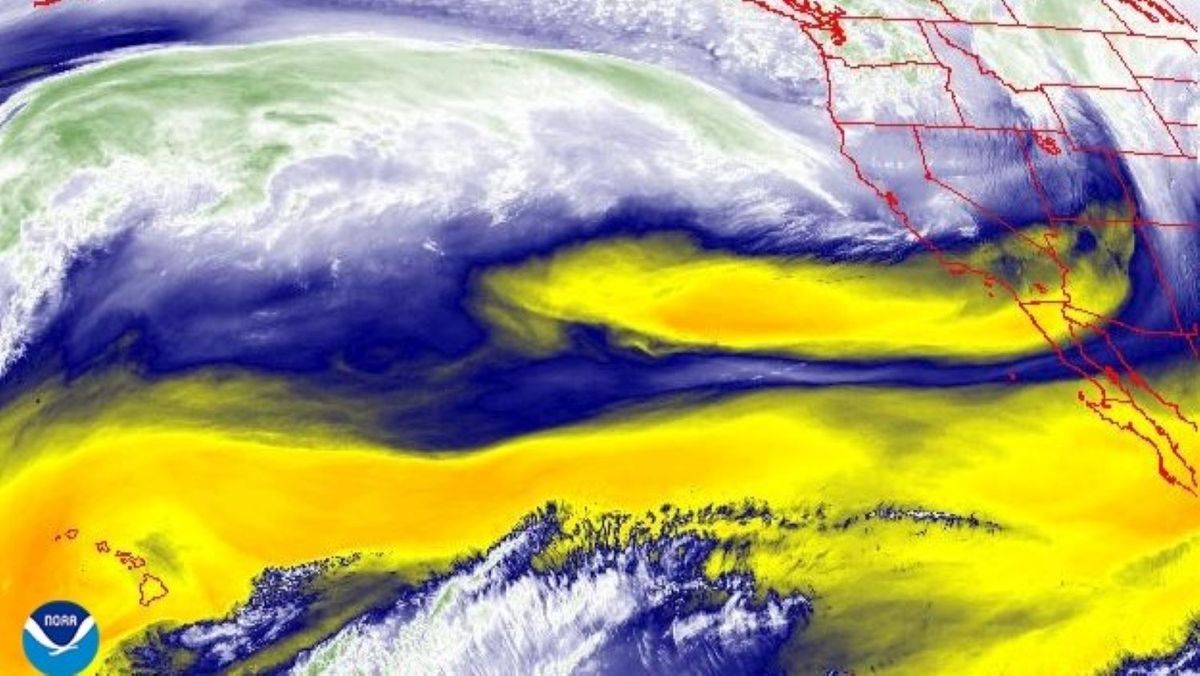
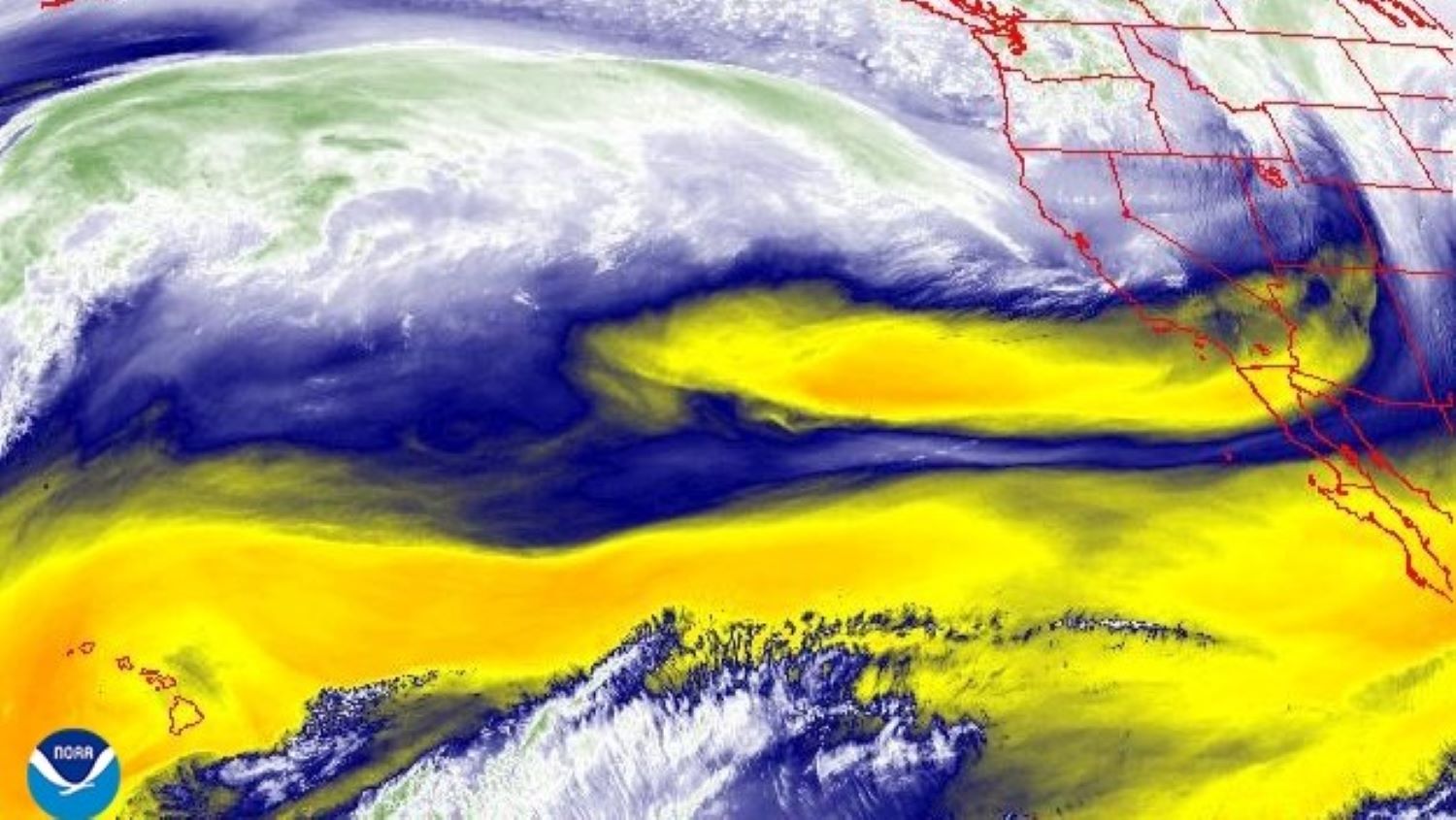
Bomb cyclones happen when warm and cold air masses collide. They undergo rapid intensification as their pressure drops. The low-pressure zone is expected to bring an atmospheric river to Northern California and southern Oregon, pulling moisture from the tropics northward.

The heaviest impacts, classified by the University of California, San Diego as “extreme,” will be between the San Francisco Bay area and Eureka, California, according to WeatherNation. Strong impacts from the storm are expected as far north as central Oregon and as far south as Salinas, California. These include high winds, heavy rain, and the potential for flash flooding.

Gusts of wind may reach 70 mph (113 km/hour) in exposed areas, and rain could fall at a rate of 2 to 4 inches a day (5 to 10 centimeters), according to Fox Weather. Mountains of over 3,500 feet (1,067 meters) elevation could get up to 2 feet (0.6 m) of snow.

Atmospheric rivers threaten both property and lives, but they also bring much-needed water to the West Coast. According to NOAA, 30% to 50% of annual precipitation in West Coast states comes via a handful of atmospheric river events each year.

Get the world’s most fascinating discoveries delivered straight to your inbox.

Under climate change, atmospheric river patterns are expected to shift, bringing heavy low-elevation precipitation events but less snow to higher elevations, according to a 2021 NOAA study. This is problematic for water supplies in the West, because snowpack offers a slow-melting, year-round source of water, while short-term heavy rainfall brings more immediate negative impacts, such as mudslides and floods, and isn’t as easily stored for later use.

Source link

Share. Facebook Twitter Pinterest LinkedIn Tumblr Email
Previous ArticleVideo: Mother of paralysed Al Jazeera journalist goes on hunger strike | Gaza
Next Article How to contact Amazon customer service after Black Friday
Editor
  • Website

Related Posts

Lifestyle

Shimmering silver ‘sunglint’ obscures Hawaii as hurricane approaches — Earth from space

May 13, 2026
Lifestyle

‘Speculation’ and ‘egregious failure’: 30 researchers publish scathing critiques of study that questioned date of early human occupation of Monte Verde in Chile

May 13, 2026
Lifestyle

Eruption blows hole in sun’s atmosphere, unleashing solar flare and potentially triggering northern lights

May 13, 2026
Add A Comment

Comments are closed.

Categories
  • Entertainment
  • Lifestyle
  • News
  • Sports
  • Tech
  • Travel
Recent Posts
  • Shimmering silver ‘sunglint’ obscures Hawaii as hurricane approaches — Earth from space
  • ‘Speculation’ and ‘egregious failure’: 30 researchers publish scathing critiques of study that questioned date of early human occupation of Monte Verde in Chile
  • Eruption blows hole in sun’s atmosphere, unleashing solar flare and potentially triggering northern lights
  • ‘A combination of amazement and horror’: Hitchhiker fish hide in manta ray buttholes
  • Hantavirus-carrying rodents are expected to expand their range, climate models find
calendar
May 2026
M T W T F S S
 123
45678910
11121314151617
18192021222324
25262728293031
« Apr    
Recent Posts
  • Shimmering silver ‘sunglint’ obscures Hawaii as hurricane approaches — Earth from space
  • ‘Speculation’ and ‘egregious failure’: 30 researchers publish scathing critiques of study that questioned date of early human occupation of Monte Verde in Chile
  • Eruption blows hole in sun’s atmosphere, unleashing solar flare and potentially triggering northern lights
About

Welcome to Baynard Media, your trusted source for a diverse range of news and insights. We are committed to delivering timely, reliable, and thought-provoking content that keeps you informed
and inspired

Categories
  • Entertainment
  • Lifestyle
  • News
  • Sports
  • Tech
  • Travel
Facebook X (Twitter) Pinterest WhatsApp
  • Contact Us
  • About Us
  • Privacy Policy
  • Disclaimer
  • UNSUBSCRIBE
© 2026 copyrights reserved

Type above and press Enter to search. Press Esc to cancel.