Close Menu
  • Home
  • UNSUBSCRIBE
  • News
  • Lifestyle
  • Tech
  • Entertainment
  • Sports
  • Travel
Facebook X (Twitter) WhatsApp
Trending
  • Lemur used in ‘lemur yoga’ session dies of human herpesvirus, study finds
  • ‘A fine line between reducing stigma and trivialising conditions’: Social media, self-diagnosis and the glamorization of ADHD
  • New 2D memory device stores data on just a single electron
  • Before we ban kids from social media completely, here’s what we should try first | Jonathan Bellack and Mariana Olaizola Rosenblat
  • Scientists uncover a better way to beat ‘the bends’ — using deep-diving pigs
  • Mars may have been losing its water more than 4 billion years ago, oldest-known Martian meteorite suggests
  • ‘The lance head was still inside the pelvis’: Mass grave found in Austria may hold casualties of unknown ancient Roman battle
  • ‘Full-on berserker mode’: Archaeologists solve mystery of medieval soldiers with gruesome square holes in their skull
Facebook X (Twitter) WhatsApp
Baynard Media
  • Home
  • UNSUBSCRIBE
  • News
  • Lifestyle
  • Tech
  • Entertainment
  • Sports
  • Travel
Baynard Media
Home»Lifestyle»Vernal equinox: How to see spring begin, just by looking at the stars
Lifestyle

Vernal equinox: How to see spring begin, just by looking at the stars

EditorBy EditorMarch 18, 2025No Comments3 Mins Read
Share Facebook Twitter Pinterest LinkedIn Tumblr Reddit Telegram Email
Share
Facebook Twitter LinkedIn Pinterest Email

Spring is coming to the Northern Hemisphere, but how can you tell when it will start? No need to Google the vernal equinox; to work out when the season officially begins, you only need to look at the stars.

The beginning of spring in the Northern Hemisphere and autumn in the Southern Hemisphere is marked by the vernal equinox — the point when Earth’s axis is side-on to the sun, spreading light and heat equally around the globe. This year it occurs on March 20.

This moment in Earth’s annual journey around the sun marks the end of one season and the beginning of the next, and stargazers can spot the change because the springtime night sky, as seen from the Northern Hemisphere, is full of stars and constellations only ever seen at this time of the year.

The easiest way for stargazers to observe this seasonal transition on the equinox is to look southwest after sunset and bid farewell to the bright stars of winter. Find the three unmistakable stars in Orion’s Belt — Alnitak, Alnilam and Mintaka — and begin to identify the bright stars around them.

Above the belt is Betelgeuse, one of the brightest stars in the night sky, which appears slightly reddish to the naked eye if you squint. Below the belt is Rigel, while to its left and slightly below is Sirius, the brightest star in the night sky. Use these three stars to form an equilateral shape — the Winter Triangle.

Related: March 29 solar eclipse: Where and when to see the rare sunrise solar eclipse from North America

For celestial confirmation of spring, gaze north, and you’ll see the seven bright stars of the Big Dipper/Plough riding high in the sky — as in the memory aid, “spring up, fall down.” As this asterism climbs higher in the sky, use its stars to find the Spring Triangle: an equilateral triangle made of the springtime stars Arcturus, Spica, and Denebola. All three stars are visible with the naked eye, but a good backyard telescope or pair of stargazing binoculars can enhance the view.

Get the world’s most fascinating discoveries delivered straight to your inbox.

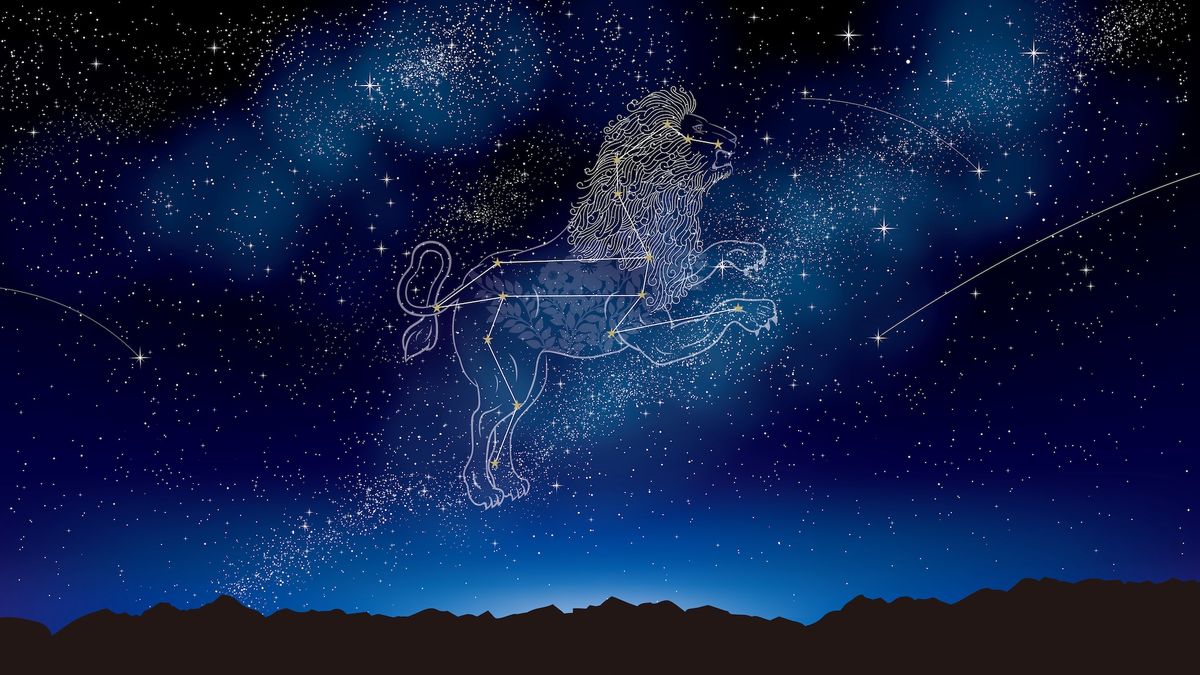
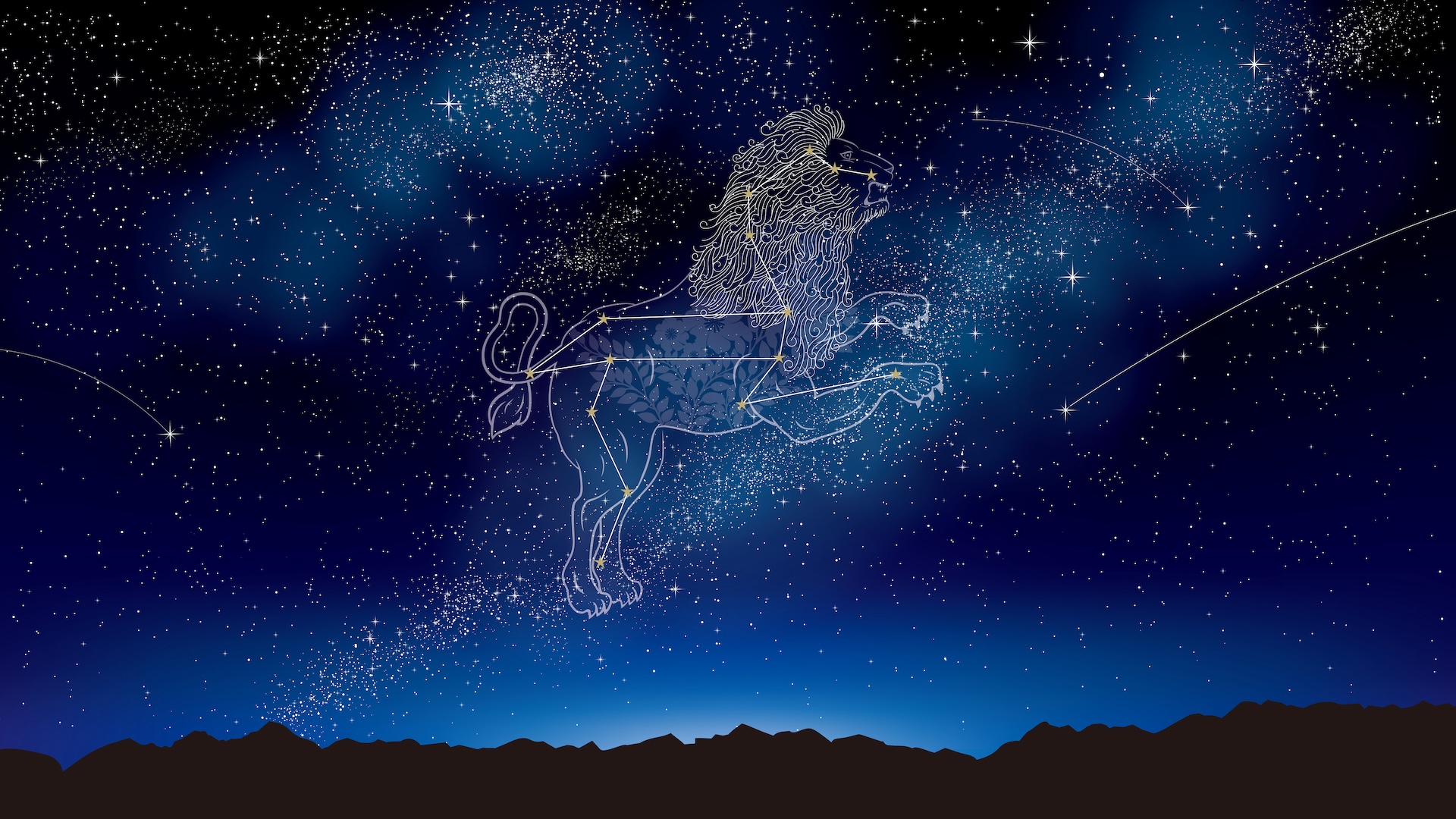
Trace the curve of the Big Dipper’s handle to “arc to Arcturus,” identifying a bright reddish star above due east. Now “spike to Spica,” traveling a short distance to identify that bluish star rising in the east-southeast. Directly above it will be Denebola in Leo, a classic spring constellation. (Some skywatching guides may replace Denebola with Regulus, another star in Leo that appears slightly further east near the lion’s front paw; Regulus is a brighter star, but using it as a waymarker stretches out the Spring Triangle considerably).

The Spring Triangle will remain visible in the night sky until August, when summer begins shifting into fall.

Source link

Share. Facebook Twitter Pinterest LinkedIn Tumblr Email
Previous ArticleThe best NBA prospects to watch in the NCAA tournament (besides Cooper Flagg)
Next Article American voters are deeply divided on DEI programs and political correctness
Editor
  • Website

Related Posts

Lifestyle

Lemur used in ‘lemur yoga’ session dies of human herpesvirus, study finds

August 15, 2026
Lifestyle

‘A fine line between reducing stigma and trivialising conditions’: Social media, self-diagnosis and the glamorization of ADHD

August 15, 2026
Lifestyle

New 2D memory device stores data on just a single electron

August 15, 2026
Add A Comment

Comments are closed.

Categories
  • Entertainment
  • Lifestyle
  • News
  • Sports
  • Tech
  • Travel
Recent Posts
  • Lemur used in ‘lemur yoga’ session dies of human herpesvirus, study finds
  • ‘A fine line between reducing stigma and trivialising conditions’: Social media, self-diagnosis and the glamorization of ADHD
  • New 2D memory device stores data on just a single electron
  • Before we ban kids from social media completely, here’s what we should try first | Jonathan Bellack and Mariana Olaizola Rosenblat
  • Scientists uncover a better way to beat ‘the bends’ — using deep-diving pigs
calendar
August 2026
M T W T F S S
 12
3456789
10111213141516
17181920212223
24252627282930
31  
« Jul    
Recent Posts
  • Lemur used in ‘lemur yoga’ session dies of human herpesvirus, study finds
  • ‘A fine line between reducing stigma and trivialising conditions’: Social media, self-diagnosis and the glamorization of ADHD
  • New 2D memory device stores data on just a single electron
About

Welcome to Baynard Media, your trusted source for a diverse range of news and insights. We are committed to delivering timely, reliable, and thought-provoking content that keeps you informed
and inspired

Categories
  • Entertainment
  • Lifestyle
  • News
  • Sports
  • Tech
  • Travel
Facebook X (Twitter) Pinterest WhatsApp
  • Contact Us
  • About Us
  • Privacy Policy
  • Disclaimer
  • UNSUBSCRIBE
© 2026 copyrights reserved

Type above and press Enter to search. Press Esc to cancel.