Close Menu
  • Home
  • UNSUBSCRIBE
  • News
  • Lifestyle
  • Tech
  • Entertainment
  • Sports
  • Travel
Facebook X (Twitter) WhatsApp
Trending
  • Bizarre ‘bull’s-eye’ cloud rings appear above erupting volcano on Atlantic island — Earth from space
  • IBD is caused by a broken ‘inflammation brake’ in some patients
  • Hanging lamp in the form of a sandaled right foot: A 1,600-year-old bronze lamp with multilayered Christian symbolism
  • Never-before-seen shark that ‘walks’ on land discovered off Papua New Guinea
  • Diagnostic dilemma: Woman’s infertility may have been caused by rare semen allergy
  • James Webb telescope detects ‘galaxy-killing wind’ near the dawn of time
  • What will the Amazon rainforest look like in 100 years?
  • The US just approved bemotrizinol, a sunscreen ingredient long used in Asia and Europe. Here’s how it works.
Facebook X (Twitter) WhatsApp
Baynard Media
  • Home
  • UNSUBSCRIBE
  • News
  • Lifestyle
  • Tech
  • Entertainment
  • Sports
  • Travel
Baynard Media
Home»Lifestyle»Venus, the ‘love planet’, will look extra special this Valentine’s Day. Here’s why.
Lifestyle

Venus, the ‘love planet’, will look extra special this Valentine’s Day. Here’s why.

EditorBy EditorFebruary 11, 2025No Comments2 Mins Read
Share Facebook Twitter Pinterest LinkedIn Tumblr Reddit Telegram Email
Share
Facebook Twitter LinkedIn Pinterest Email

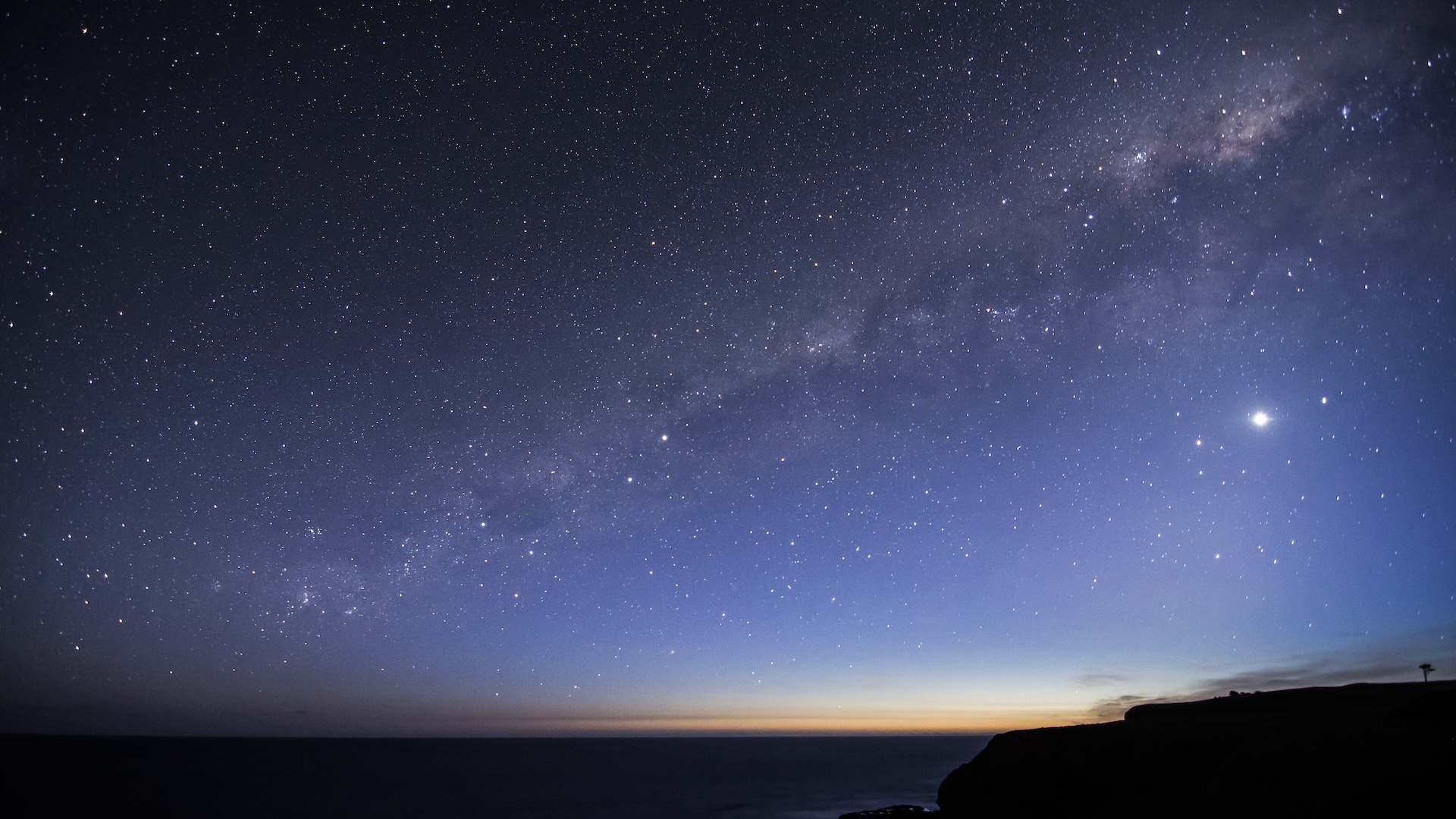
Venus, a planet named after the Roman goddess of love, will fittingly be at its brilliant best on Valentine’s Day (Feb. 14) this year.

Currently reigning supreme in the post-sunset night sky, Venus is living up to its nickname as the “evening star.” Although it’s always the brightest planet in the night sky when visible — second only to the sun and moon in brightness — it reaches a magnitude of -4.9, its greatest brilliance, in mid-February. The planet won’t appear this bright in the evening sky again until September 2026, according to EarthSky.

Venus reached its highest point in the evening sky on Jan. 10 and will sink into the sun’s glare on March 22, with its brightest evening appearance coming midway between those two extremes.

Related: The 10 best stargazing events of 2025

The visibility and brightness of Venus are the result of where it orbits the sun in the solar system. As the second planet from the sun, Venus always sits interior to Earth and thus has phases similar to the moon’s, as seen from our planet. As Venus gets closer to Earth — as it is doing right now — it shrinks to a crescent. Despite being just 27% illuminated on Feb. 14, its close proximity to Earth at the time will give us our brightest view of the planet all year. By March 1, Venus will be just 14% lit — so now is a great time to see Venus through a backyard telescope or pair of good skywatching binoculars.

Venus’ remarkable brightness occurs not only because it’s getting closer to Earth. It’s also relatively large (only a few hundred miles smaller than Earth in diameter), and its cloud layers are highly reflective.

Enjoy the convenient post-sunset views of Venus this Valentine’s Day, because from then on, the planet’s brightness will wane as it shrinks to an ever-slimmer crescent. Come March, Venus will be tricky to see in the post-sunset sky. After passing through the sun’s glare in late March, the planet will emerge into the predawn sky and reach its greatest morning sky brilliance on April 27.

Get the world’s most fascinating discoveries delivered straight to your inbox.

Source link

Share. Facebook Twitter Pinterest LinkedIn Tumblr Email
Previous ArticleGet a lifetime license to Microsoft Office 2024 for $139.97
Next Article Military families protest Secretary Hegseth’s anti-DEI push
Editor
  • Website

Related Posts

Lifestyle

Bizarre ‘bull’s-eye’ cloud rings appear above erupting volcano on Atlantic island — Earth from space

June 23, 2026
Lifestyle

IBD is caused by a broken ‘inflammation brake’ in some patients

June 23, 2026
Lifestyle

Hanging lamp in the form of a sandaled right foot: A 1,600-year-old bronze lamp with multilayered Christian symbolism

June 22, 2026
Add A Comment

Comments are closed.

Categories
  • Entertainment
  • Lifestyle
  • News
  • Sports
  • Tech
  • Travel
Recent Posts
  • Bizarre ‘bull’s-eye’ cloud rings appear above erupting volcano on Atlantic island — Earth from space
  • IBD is caused by a broken ‘inflammation brake’ in some patients
  • Hanging lamp in the form of a sandaled right foot: A 1,600-year-old bronze lamp with multilayered Christian symbolism
  • Never-before-seen shark that ‘walks’ on land discovered off Papua New Guinea
  • Diagnostic dilemma: Woman’s infertility may have been caused by rare semen allergy
calendar
June 2026
M T W T F S S
1234567
891011121314
15161718192021
22232425262728
2930  
« May    
Recent Posts
  • Bizarre ‘bull’s-eye’ cloud rings appear above erupting volcano on Atlantic island — Earth from space
  • IBD is caused by a broken ‘inflammation brake’ in some patients
  • Hanging lamp in the form of a sandaled right foot: A 1,600-year-old bronze lamp with multilayered Christian symbolism
About

Welcome to Baynard Media, your trusted source for a diverse range of news and insights. We are committed to delivering timely, reliable, and thought-provoking content that keeps you informed
and inspired

Categories
  • Entertainment
  • Lifestyle
  • News
  • Sports
  • Tech
  • Travel
Facebook X (Twitter) Pinterest WhatsApp
  • Contact Us
  • About Us
  • Privacy Policy
  • Disclaimer
  • UNSUBSCRIBE
© 2026 copyrights reserved

Type above and press Enter to search. Press Esc to cancel.