Close Menu
  • Home
  • UNSUBSCRIBE
  • News
  • Lifestyle
  • Tech
  • Entertainment
  • Sports
  • Travel
Facebook X (Twitter) WhatsApp
Trending
  • Do you really have to wash rice before you cook it?
  • Neuroscientists are searching for the ‘cellular substrate of loneliness’
  • Bow-Wow, Ding-Dong, Pooh-Pooh: Expert explains early theories of how human language evolved — and their silly names
  • Famous child mummies in Andes may belong to kids who were sacrificed to ‘ritually anchor’ the Inca’s presence as their empire expanded
  • Artemis II crew captures rare double auroras on the dark side of Earth as they zoom toward the moon — Space photo of the week
  • Has all the water on Earth been peed before?
  • ‘This might be the point of no return’: Experts on the current measles outbreak and where we go from here
  • NASA’s experimental X-59 jet breaks sound barrier for 1st time in step toward ‘quiet supersonic’ technology
Facebook X (Twitter) WhatsApp
Baynard Media
  • Home
  • UNSUBSCRIBE
  • News
  • Lifestyle
  • Tech
  • Entertainment
  • Sports
  • Travel
Baynard Media
Home»Lifestyle»The rare genetic disorder that causes severe itchiness and liver failure
Lifestyle

The rare genetic disorder that causes severe itchiness and liver failure

EditorBy EditorMarch 6, 2025No Comments3 Mins Read
Share Facebook Twitter Pinterest LinkedIn Tumblr Reddit Telegram Email
Share
Facebook Twitter LinkedIn Pinterest Email

Disease name: Progressive familial intrahepatic cholestasis (PFIC)

Affected populations: PFIC is a group of rare genetic diseases that cause progressive liver failure. The exact prevalence of PFIC is unknown, but estimates suggest that these diseases affect between 1 in 100,000 and 1 in 50,000 people worldwide. In the United States, fewer than 50,000 people total are believed to have PFIC.

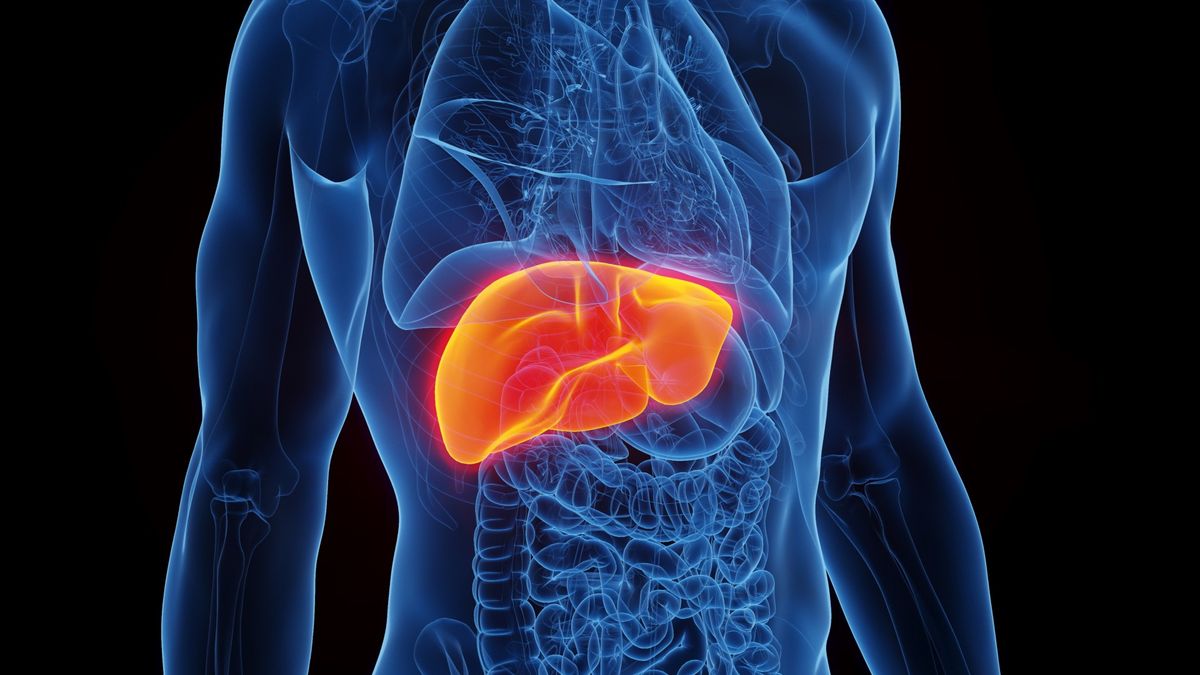
Causes: Patients with PFIC have genetic mutations that impair the liver‘s ability to secrete a digestive fluid known as bile into the digestive tract.

Bile is a yellowish-green fluid produced in the liver, and it is normally secreted into the digestive tract to help with the breakdown of fats, the absorption of vitamins from food, and the removal of waste products in stool.

But in patients with PFIC, bile instead accumulates in the liver and thus begins to damage the organ. As liver cells die, they are replaced with scar tissue, a process known as fibrosis.

Related: Scientists discover new type of cell in the liver

There are three types of PFIC — PFIC1, PFIC2 and PFIC3 — which differ in that they are caused by mutations in different genes that code for proteins needed for the liver to function properly. PFIC is inherited in an autosomal recessive manner, meaning that children must inherit two copies of a relevant mutated gene — one from each parent — to develop the disease.

Get the world’s most fascinating discoveries delivered straight to your inbox.

An illustration of the mid-section of a person's body. A pop-out bubble emerges from the liver and inside contains an image of cells under the microscope.

PFIC causes severe scarring of the liver, known as cirrhosis. (Image credit: KATERYNA KON/SCIENCE PHOTO LIBRARY via Getty Images)

Symptoms: All patients with PFIC develop symptoms of liver disease, which typically appear during infancy. These symptoms include severe itching; a yellowing of the skin and whites of the eyes, known as jaundice; stunted growth; and high blood pressure in the vein that carries blood from the digestive system to the liver. The itchiness stems from excess bile acid irritating nerve cells in the body.

Patients with PFIC1 also may have other symptoms, such as short stature, deafness, diarrhea and inflammation of the pancreas. And those with PFIC2 are at an increased risk of developing a type of liver cancer called hepatocellular carcinoma.

Symptoms of liver failure usually develop before adulthood in patients with PFIC1. The prognosis is typically worse for patients with PFIC2 whose livers fail within the first few years of life. Patients with PFIC3, on the other hand, may develop liver failure in childhood or adulthood.

Treatments: There is no cure for PFIC, but steps can be taken to ease patients’ symptoms. For instance, certain drugs can increase the flow of bile out of the liver, while dietary supplements can raise low levels of vitamins and fats in the blood caused by the lack of bile secretion.

Even with these treatments, though, most patients with PFIC will ultimately require a liver transplant. This replaces damaged liver tissue with healthy cells that do not have the genetic defect, thus reversing many symptoms of liver disease.

If left untreated, PFIC kills an estimated 87% of patients. By comparison, several studies have shown that survival rates after liver transplantation range between 76% and 85%; one of these studies followed patients for 19 years after the procedure.

This article is for informational purposes only and is not meant to offer medical advice.

Source link

Share. Facebook Twitter Pinterest LinkedIn Tumblr Email
Previous Article42 endangered live lizards seized at Hong Kong airport
Next Article Mozambique police fire on protestors with opposition leader location unknown
Editor
  • Website

Related Posts

Lifestyle

Do you really have to wash rice before you cook it?

June 15, 2026
Lifestyle

Neuroscientists are searching for the ‘cellular substrate of loneliness’

June 14, 2026
Lifestyle

Bow-Wow, Ding-Dong, Pooh-Pooh: Expert explains early theories of how human language evolved — and their silly names

June 14, 2026
Add A Comment

Comments are closed.

Categories
  • Entertainment
  • Lifestyle
  • News
  • Sports
  • Tech
  • Travel
Recent Posts
  • Do you really have to wash rice before you cook it?
  • Neuroscientists are searching for the ‘cellular substrate of loneliness’
  • Bow-Wow, Ding-Dong, Pooh-Pooh: Expert explains early theories of how human language evolved — and their silly names
  • Famous child mummies in Andes may belong to kids who were sacrificed to ‘ritually anchor’ the Inca’s presence as their empire expanded
  • Artemis II crew captures rare double auroras on the dark side of Earth as they zoom toward the moon — Space photo of the week
calendar
June 2026
M T W T F S S
1234567
891011121314
15161718192021
22232425262728
2930  
« May    
Recent Posts
  • Do you really have to wash rice before you cook it?
  • Neuroscientists are searching for the ‘cellular substrate of loneliness’
  • Bow-Wow, Ding-Dong, Pooh-Pooh: Expert explains early theories of how human language evolved — and their silly names
About

Welcome to Baynard Media, your trusted source for a diverse range of news and insights. We are committed to delivering timely, reliable, and thought-provoking content that keeps you informed
and inspired

Categories
  • Entertainment
  • Lifestyle
  • News
  • Sports
  • Tech
  • Travel
Facebook X (Twitter) Pinterest WhatsApp
  • Contact Us
  • About Us
  • Privacy Policy
  • Disclaimer
  • UNSUBSCRIBE
© 2026 copyrights reserved

Type above and press Enter to search. Press Esc to cancel.