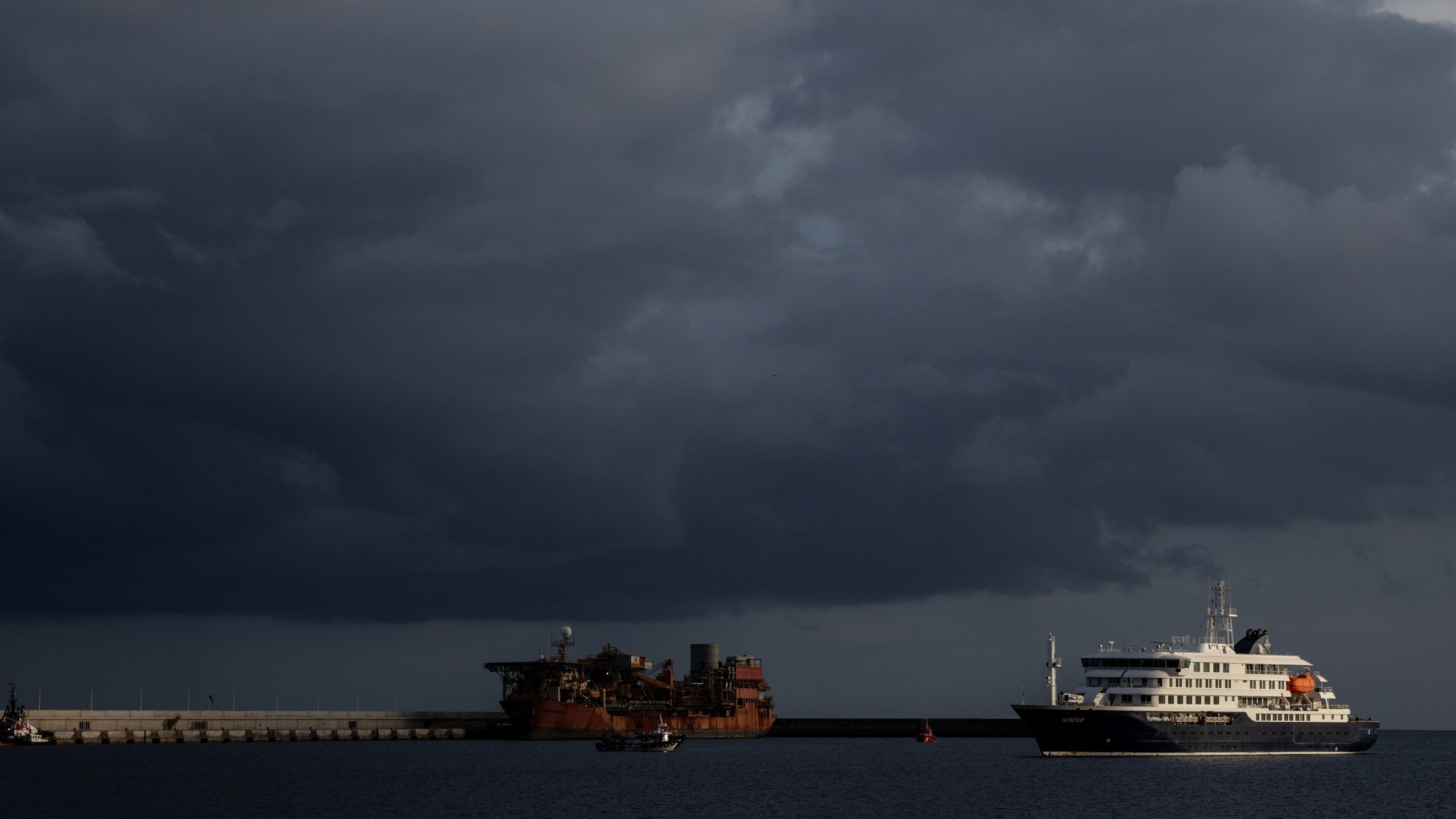
The hantavirus outbreak that struck a cruise ship in April, killing three people and sparking fears of further spread, is over, the World Health Organization (WHO) has announced.
“Today, the final contact of a person exposed to hantavirus on the cruise ship MV Hondius completed their quarantine period, tested negative and returned home. No further cases have been reported since the 25th of May,” Tedros Adhanom Ghebreyesus, the WHO’s director-general, said in his opening remarks at a news conference Thursday (July 2). “We are therefore very pleased to say that WHO considers the outbreak of hantavirus over.”
The total number of cases linked to the outbreak was 13. All those affected were either passengers or crew on the ship.
The outbreak began aboard the Dutch-flagged cruise ship MV Hondius after it departed southern Argentina on April 1. It involved the Andes virus, the only known hantavirus that can spread between people.
Hantaviruses are rodent-borne viruses that are found in the Americas, Europe and Asia and spread to humans relatively rarely, usually via contact with the urine, droppings or saliva of infected rodents. The Andes virus, however, has sparked short chains of human-to-human transmission in the past.
Before public health authorities were informed of the cases on MV Hondius, several dozen people disembarked the vessel on the island of St. Helena. To find them, authorities launched an international contact-tracing operation, tracking down more than 650 contacts in total who were then followed by health authorities in 33 countries and territories, according to the WHO.
Additionally, health authorities coordinated the monitoring, care and transport of the remaining passengers and crew aboard MV Hondius.
Of these contacts, those considered at the highest risk of infection were then quarantined and monitored for up to 42 days, because sometimes, hantavirus symptoms don’t show up until weeks after exposure to the virus. Depending on their jurisdiction and degree of exposure, some contacts quarantined at home while others stayed in specialized facilities.
The initial unchecked travel of some contacts, alongside the virus’s long incubation period, prompted concern from the public that the cluster of cases could explode into an enormous outbreak, or even a global pandemic. Many infectious-disease experts emphasized that the Andes virus does not spread easily between people and that the containment effort was going well, so the risk of a large outbreak was low. Still, some experts raised concerns that the international travel of contacts could trigger pockets of the deadly disease, and some argued that the Andes virus does have “pandemic potential.”
Now, with the final contact having completed their quarantine period and no further cases reported, the WHO has declared the outbreak over. All of the contacts who were repatriated to the U.S. completed their quarantine period by June 21.
“WHO will continue working with governments and partners to advance our understanding of this outbreak and of hantavirus more generally,” Tedros said. “We are also coordinating a study involving 21 countries to understand how the disease develops, which will support the development of diagnostics, therapeutics and vaccines for future outbreaks.”
Besides rigorous contact tracing, the WHO credited the coordinated actions of national public health bodies as being vital to preventing the further spread of the disease. These measures included the response of the Spanish government, which created a safe zone on the island of Tenerife for the ship’s remaining passengers to disembark before they were repatriated under quarantine.
As the hantavirus outbreak concludes, there’s an ongoing Ebola outbreak in the Democratic Republic of the Congo and an outbreak of the Marburg virus in Uganda. These and future outbreaks will require similarly robust international cooperation, the WHO emphasized.
“The outbreaks of hantavirus, Ebola and Marburg all show why there is no alternative to international cooperation in the face of international threats,” Tedros said. “No country alone can fight.”
This article is for informational purposes only and is not meant to offer medical advice.