
The legacy of our ancient human relatives, “brain-eating-amoeba” infections, emerging viral threats, the promise and peril of genome editing, and much, much more — in 2024, Live Science covered a plethora of fascinating, and occasionally concerning, health studies. Research granted new insight into the human body’s inner workings, the germs that can push our physiology off the rails, and the emerging technologies and drugs that could change medicine as we know it.
Here are some of my favorite stories from the past year. Keep up with us in 2025 to see how these diverse lines of research progress!
Bird flu
H5N1, a subtype of bird flu, reached the U.S. in late 2021, when it began inflecting wild birds, domestic poultry and the occasional mammal. This year, we learned for the first time that the virus can infect cows — and that it can jump from cows to people. At this point, there’s been no evidence of H5N1 spreading from one person to another — an ability that could set the stage for a major outbreak, or even a pandemic. But Live Science has closely followed new discoveries about the virus: how it lingers in raw milk, is evolving to better infect mammals, could become deadlier if it mingles with seasonal flu, and is just one mutation away from being a “good match” for humans. We’ll keep up with H5N1 in 2025, when mounting surveillance efforts by scientists should give a better sense of how big this problem could become.
Related: 9 of the most ‘genetically isolated’ human populations in the world
Our ancient ancestry
Modern humans mated with Neanderthals at several points in our history, and today, you can dust for genetic “fingerprints” left by our Neanderthal relatives. Some regions of the human genome contain up to 80% Neanderthal genes, while others, such as the X and Y chromosomes, are nearly or completely Neanderthal-free. These genes influence our face shape, skin color, circadian clock and immune function — and, in some contexts, they may do more harm than good. In an intriguing feature story, staff writer Emily Cooke explores the ways our Neanderthal genes may affect our health and biology today.
Battling brain-eaters
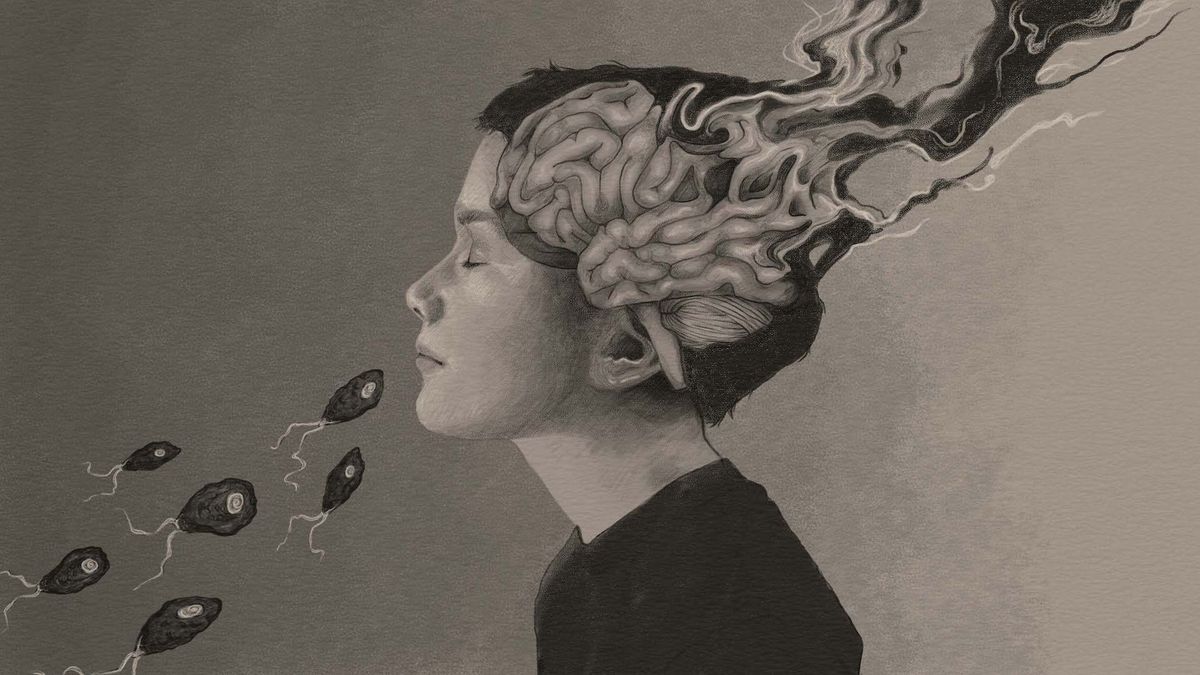
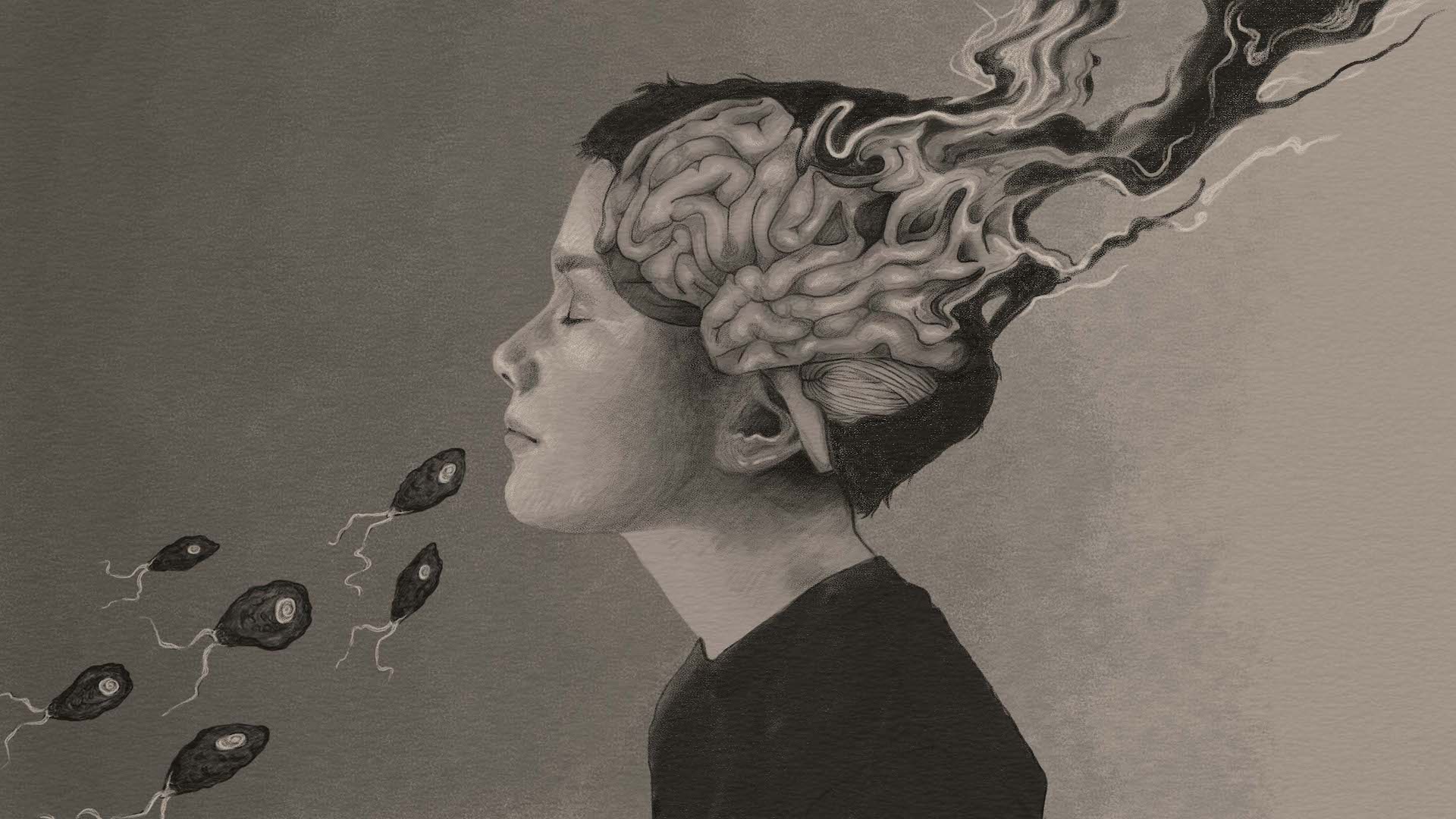
“Brain-eating” amoebas kill nearly everyone they infect, but new and emerging treatments could change that. A drug called miltefosine — originally designed to treat the parasitic disease leishmaniasis — has saved some patients’ lives. And scientists are investigating other possible treatments, including antibiotics, mRNA vaccines and even a pigment derived from algae. Hopefully, someday, these rare infections won’t be a nearly assured death sentence.
CRISPR
Scientists unveiled a new CRISPR system that reversibly “pauses” genes, rather than permanently disabling them. CRISPR innovator Virginijus Šikšnys spoke with Live Science about the future of the field and how the technology could render incurable diseases curable. On the flip side, doctor and science communicator Dr. Neal Baer discussed how, in the wrong hands and without adequate regulation, CRISPR could also become an instrument of eugenics.
Honorable mentions
To stop antibiotics from becoming obsolete, researchers are seeking ways to reverse antibiotic resistance. Researchers discovered a new hormone that helps build strong bones, particularly after pregnancy. A study highlighted how a quirk in forensic DNA analysis could end up linking the wrong people to crimes. Psychedelics are being tested as therapies, but major trial issues are hindering their approval. The male hormone cycle is linked to brain shrinkage over the course of the day, while pregnancy is tied to brain shrinkage across gestation. Several studies found that human aging might happen in distinct waves — but we’re not sure why.
