

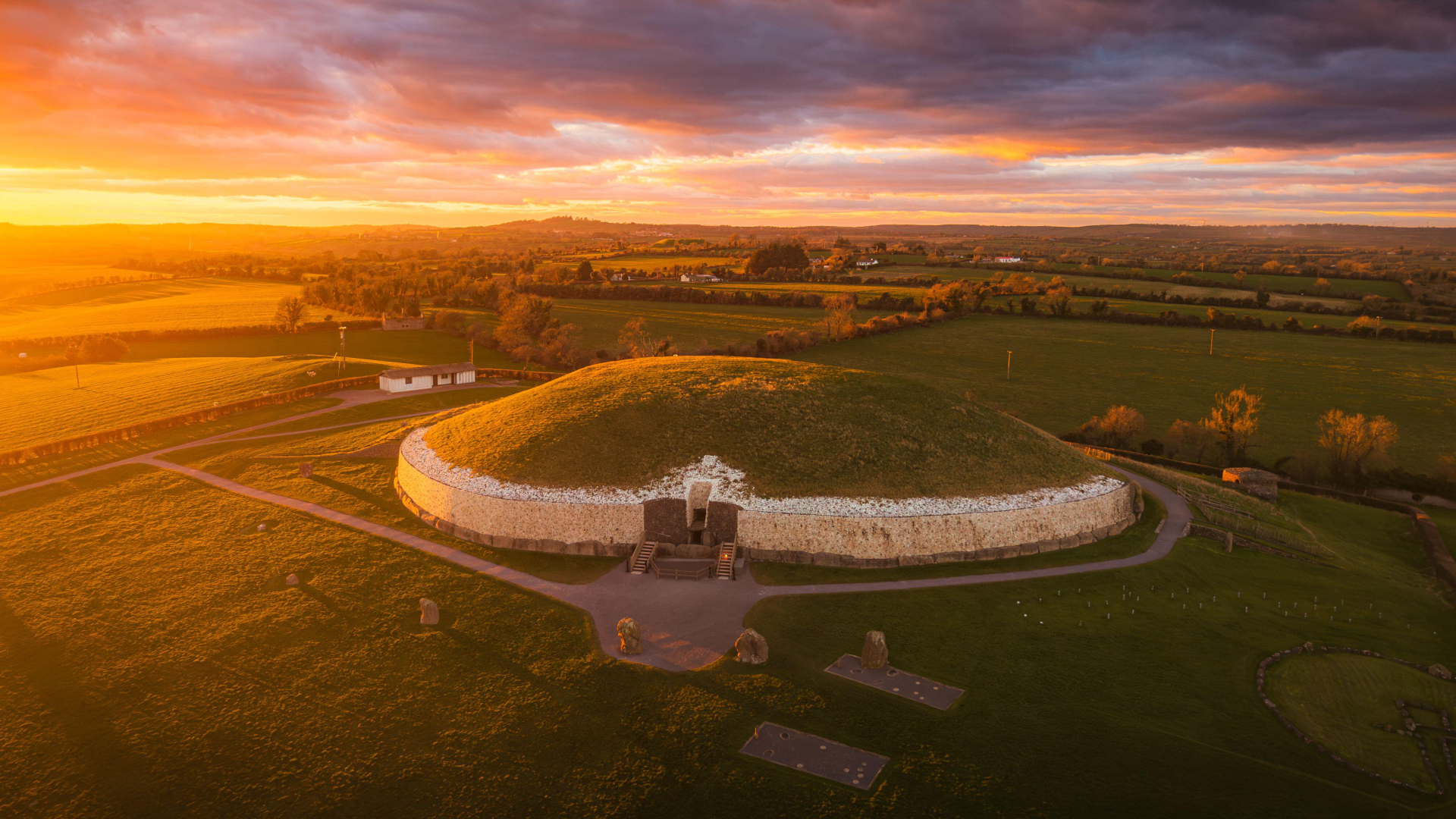
Archaeologists have long assumed that Stone Age tombs in Ireland were built for royalty. But a new analysis of DNA from 55 skeletons found in these 5,000-year-old graves suggests that the tombs were made for the community, not for a ruling dynasty.
In Ireland’s Neolithic period, which lasted from about 3900 to 2500 B.C., people built “megalithic monuments” — large stone structures that contained human bones and cremated remains. While the monuments clearly marked burials, archaeologists have argued about who was interred in them and whether the tombs served other purposes, such as being focal points for rituals, ceremonies or performances.
Early DNA work found that the people who built these monuments were early farmers who herded cattle and grew grain. It also concluded that these tombs were built for ancient elite dynasties with incestuous marriages. But a study published April 2 in the Cambridge Archaeological Journal suggests archaeologists may have been wrong about the identity of the people buried in the tombs — and their relationships.
Instead of being royal tombs, the megalithic monuments may have been spots where people came together in different seasons to work, feast and bury their dead, study lead author Neil Carlin, an archaeologist at University College Dublin, told Live Science in an email. And this society built the tombs following a major shift away from four centuries of simpler burial practices, the study suggests.
Related: Neolithic women in Europe were tied up and buried alive in ritual sacrifices, study suggests
Archaeologists have identified four different kinds of ancient graves in Ireland, including three simple types used in the earlier part of the Neolithic and a fourth type called the “developed passage tomb” that originated around 3300 B.C. Passage tombs consisted of a large circular mound entered through a stone corridor. They are older than Stonehenge and the Egyptian pyramids, and many still dot the landscape of Ireland, including the well-known Newgrange passage tomb.
Carlin and his team noted that most individuals buried in the passage tombs did not have close genetic ties. Given this, the researchers wrote in the study, “we cannot say that these tombs were the final resting places of a dynastic lineage who restricted access to ‘burial’ within these tombs to their relatives.”
Because megalithic monuments were obviously important to Neolithic people but were not necessarily linked to biological relationships, the researchers wanted to “develop a deeper understanding of changes in kinship during the Neolithic,” Carlin said. By looking closely at the DNA evidence and at the subtle differences in burials throughout the Neolithic period, the researchers discovered a major shift after the first four centuries of farming in Ireland.
In the early Neolithic, the small, simpler tombs are paralleled in the genetic work, which has shown that there were smaller communities with closer biological ties. But in the later Neolithic period, when people built larger passage tombs, most of the people buried there were relatively diverse and more distantly related, the DNA analysis showed.
“We argue that this reflects how the kin groups using these tombs were interacting on a larger scale and more frequently choosing to have children with others from within these extended communities,” Carlin said.
What caused this shift isn’t clear. But the researchers suggest that the clusters of passage tombs in Neolithic Ireland show that disparate groups of people came together, perhaps seasonally, to participate in ceremonial activities together.
Instead of seeing the Neolithic period as one ruled by powerful dynasties, the researchers view it as “a more equal society,” Carlin said. But more work is needed — including new studies of DNA, artifacts and monumental architecture — to fully understand the social changes that happened in Ireland after 3600 B.C., the researchers wrote in their study.
Stonehenge quiz: What do you know about the ancient monument?
