Close Menu
  • Home
  • UNSUBSCRIBE
  • News
  • Lifestyle
  • Tech
  • Entertainment
  • Sports
  • Travel
Facebook X (Twitter) WhatsApp
Trending
  • New robotic heart mimics common, mysterious condition to help researchers study it
  • Canon EOS R6 III review: A wildlife wonder
  • Medieval babies and adults buried together in Sweden were not related, archaeologists discover — raising big questions about early Christian burial practices
  • NASA is creating a fifth state of matter on the ISS, thanks to an upgrade to a mini-fridge-sized quantum lab
  • New sodium metal battery design charges in just 4 minutes and retains its capacity for years
  • Quantum computing wielded to create extremely rare material critical to nuclear fusion
  • Scientists build tiny ‘diving suit’ for cockroaches, turning them into search-and-rescue cyborgs
  • Physicists develop the first working model of quantum mechanics using only ‘real’ numbers
Facebook X (Twitter) WhatsApp
Baynard Media
  • Home
  • UNSUBSCRIBE
  • News
  • Lifestyle
  • Tech
  • Entertainment
  • Sports
  • Travel
Baynard Media
Home»Lifestyle»SpaceX just launched disease-causing bacteria to the International Space Station
Lifestyle

SpaceX just launched disease-causing bacteria to the International Space Station

EditorBy EditorAugust 6, 2025No Comments3 Mins Read
Share Facebook Twitter Pinterest LinkedIn Tumblr Reddit Telegram Email
Share
Facebook Twitter LinkedIn Pinterest Email

There’s a secret, extra member of Crew-11 aboard the International Space Station right now: disease-causing bacteria.

Or, at least, such bacteria will be growing aboard the orbiting laboratory very soon. Scientists at the Sheba Medical Center in Israel, in partnership with U.S.-based space tech company SpaceTango, have developed a study that will examine how microgravity affects the growth of certain bacterial species that cause diseases in humans. To pull it off, researchers will grow different strains of bacteria under microgravity, freeze that bacteria at -80 degrees Celsius and then return the samples to Earth to see how they’ve grown differently than the same bacteria grown on the home planet.

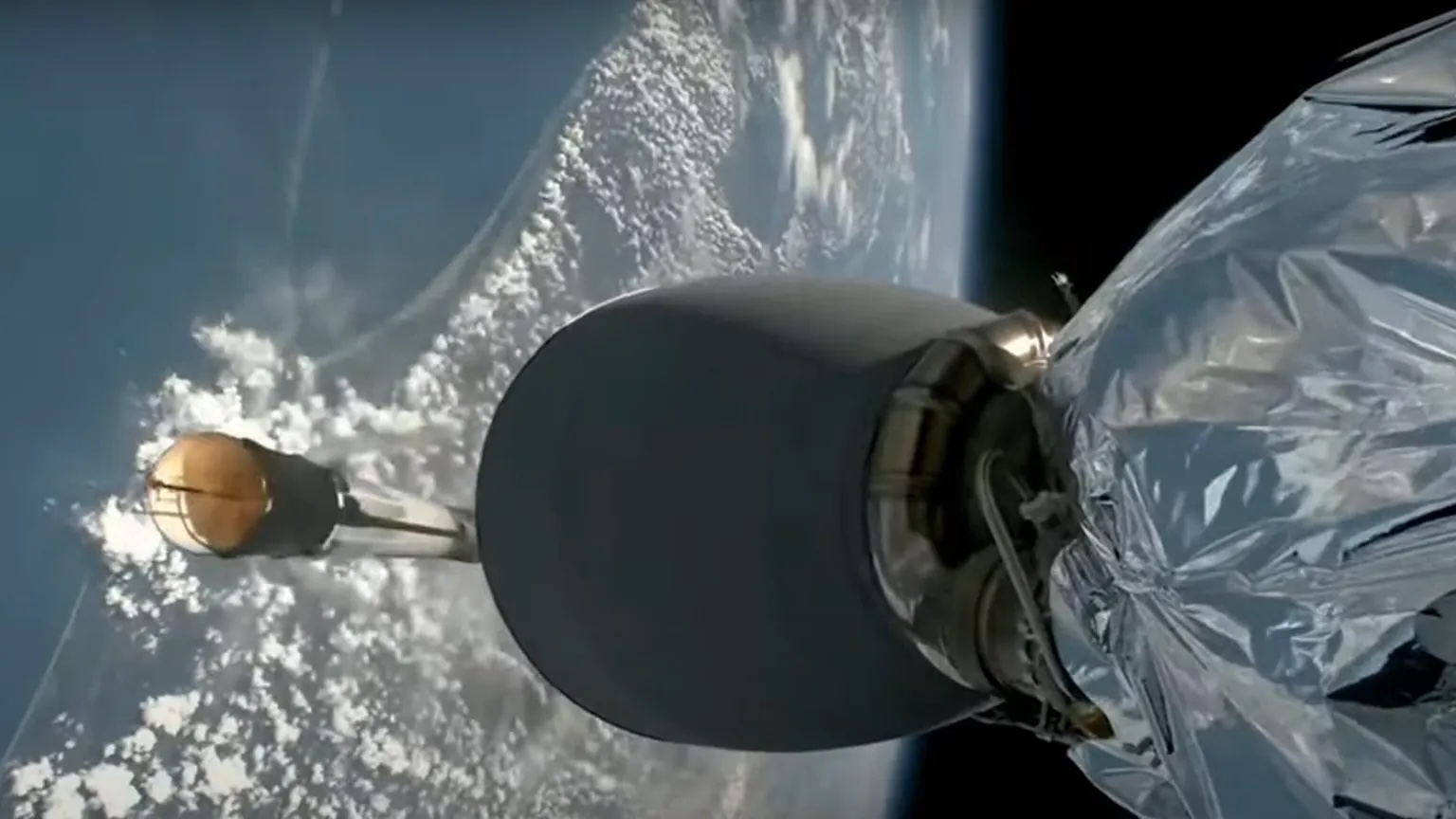
The bacterial strains involved are E. Coli, Salmonella bongori and Salmonella typhimurium, and they were launched toward the International Space Station (ISS) aboard NASA’s Crew-11 mission that SpaceX successfully launched on Friday, Aug. 1. (Editor’s note: The Crew-11 team docked to the ISS on Aug. 2 and is now adjusting to life in orbit).


You may like

Scientists have already studied how a lack of gravity affects the way bacteria grows, and research from NASA is already underway to study bacteria in space in general. But researchers behind the current ISS-and-bacteria mission specifically hope to bring home data that will help curb the spread of infectious disease, or at least help experts find ways to stop bacteria from developing antibiotic resistance — a major public health problem that means some disease-causing bacteria is no longer wiped out by drugs that’ve been developed to clear the bacteria from people’s bodies and get them healthy again

“We know that space conditions affect bacterial behavior, including how they grow, express genes, and acquire traits like antibiotic resistance or virulence,” Ohad Gal-Mor, Head of the Infectious Diseases Research Laboratory at Sheba Medical Center, said in a statement.

Related: Unknown strain of bacteria found on China’s Tiangong Space Station

Hands wearing purple latex gloves handle various metal pieces of equipment and laboratory vials as part of a scientific study.

The bacterial experiment during preparation prior to launch. (Image credit: Space Tango)

“This experiment will allow us, for the first time, to systematically and molecularly map how the genetic expression profile of several pathogenic bacteria changes in space.”

Get the world’s most fascinating discoveries delivered straight to your inbox.

The health of astronauts and microgravity’s effect on the human body has been top of mind as people explore space and the idea of what life off Earth looks like. Human genes sometimes express themselves differently in microgravity conditions, and scientists have linked such an environment to the expedited loss of muscle seen in astronauts, and even their likelihood of developing skin rashes.

Hands wearing purple latex gloves handle various metal pieces of equipment and laboratory vials as part of a scientific study.

Experts prepare the bacterial experiment before the Crew-11 launch. (Image credit: Space Tango)

If examined on their own, however, genetic changes in bacteria will hopefully give researchers more clues about how they act once inside a human, whether it’s how fast they spread or their likelihood of getting around our treatments: both in space and here on Earth.

Source link

Share. Facebook Twitter Pinterest LinkedIn Tumblr Email
Previous ArticleReps. Espaillat, Velazquez, Goldman blocked from Brooklyn ICE facility
Next Article 5 soldiers shot in active shooter situation at Georgia army base
Editor
  • Website

Related Posts

Lifestyle

New robotic heart mimics common, mysterious condition to help researchers study it

July 11, 2026
Lifestyle

Canon EOS R6 III review: A wildlife wonder

July 10, 2026
Lifestyle

Medieval babies and adults buried together in Sweden were not related, archaeologists discover — raising big questions about early Christian burial practices

July 10, 2026
Add A Comment

Comments are closed.

Categories
  • Entertainment
  • Lifestyle
  • News
  • Sports
  • Tech
  • Travel
Recent Posts
  • New robotic heart mimics common, mysterious condition to help researchers study it
  • Canon EOS R6 III review: A wildlife wonder
  • Medieval babies and adults buried together in Sweden were not related, archaeologists discover — raising big questions about early Christian burial practices
  • NASA is creating a fifth state of matter on the ISS, thanks to an upgrade to a mini-fridge-sized quantum lab
  • New sodium metal battery design charges in just 4 minutes and retains its capacity for years
calendar
July 2026
M T W T F S S
 12345
6789101112
13141516171819
20212223242526
2728293031  
« Jun    
Recent Posts
  • New robotic heart mimics common, mysterious condition to help researchers study it
  • Canon EOS R6 III review: A wildlife wonder
  • Medieval babies and adults buried together in Sweden were not related, archaeologists discover — raising big questions about early Christian burial practices
About

Welcome to Baynard Media, your trusted source for a diverse range of news and insights. We are committed to delivering timely, reliable, and thought-provoking content that keeps you informed
and inspired

Categories
  • Entertainment
  • Lifestyle
  • News
  • Sports
  • Tech
  • Travel
Facebook X (Twitter) Pinterest WhatsApp
  • Contact Us
  • About Us
  • Privacy Policy
  • Disclaimer
  • UNSUBSCRIBE
© 2026 copyrights reserved

Type above and press Enter to search. Press Esc to cancel.