Close Menu
  • Home
  • UNSUBSCRIBE
  • News
  • Lifestyle
  • Tech
  • Entertainment
  • Sports
  • Travel
Facebook X (Twitter) WhatsApp
Trending
  • Lemur used in ‘lemur yoga’ session dies of human herpesvirus, study finds
  • ‘A fine line between reducing stigma and trivialising conditions’: Social media, self-diagnosis and the glamorization of ADHD
  • New 2D memory device stores data on just a single electron
  • Before we ban kids from social media completely, here’s what we should try first | Jonathan Bellack and Mariana Olaizola Rosenblat
  • Scientists uncover a better way to beat ‘the bends’ — using deep-diving pigs
  • Mars may have been losing its water more than 4 billion years ago, oldest-known Martian meteorite suggests
  • ‘The lance head was still inside the pelvis’: Mass grave found in Austria may hold casualties of unknown ancient Roman battle
  • ‘Full-on berserker mode’: Archaeologists solve mystery of medieval soldiers with gruesome square holes in their skull
Facebook X (Twitter) WhatsApp
Baynard Media
  • Home
  • UNSUBSCRIBE
  • News
  • Lifestyle
  • Tech
  • Entertainment
  • Sports
  • Travel
Baynard Media
Home»Lifestyle»Situs inversus: The condition where your organs are on the ‘wrong’ side
Lifestyle

Situs inversus: The condition where your organs are on the ‘wrong’ side

EditorBy EditorJanuary 2, 2025No Comments3 Mins Read
Share Facebook Twitter Pinterest LinkedIn Tumblr Reddit Telegram Email
Share
Facebook Twitter LinkedIn Pinterest Email

Disease name: Situs inversus

Affected populations: Approximately 1 in 10,000 people have situs inversus. Men are 1.5 times more likely than women to experience the condition.

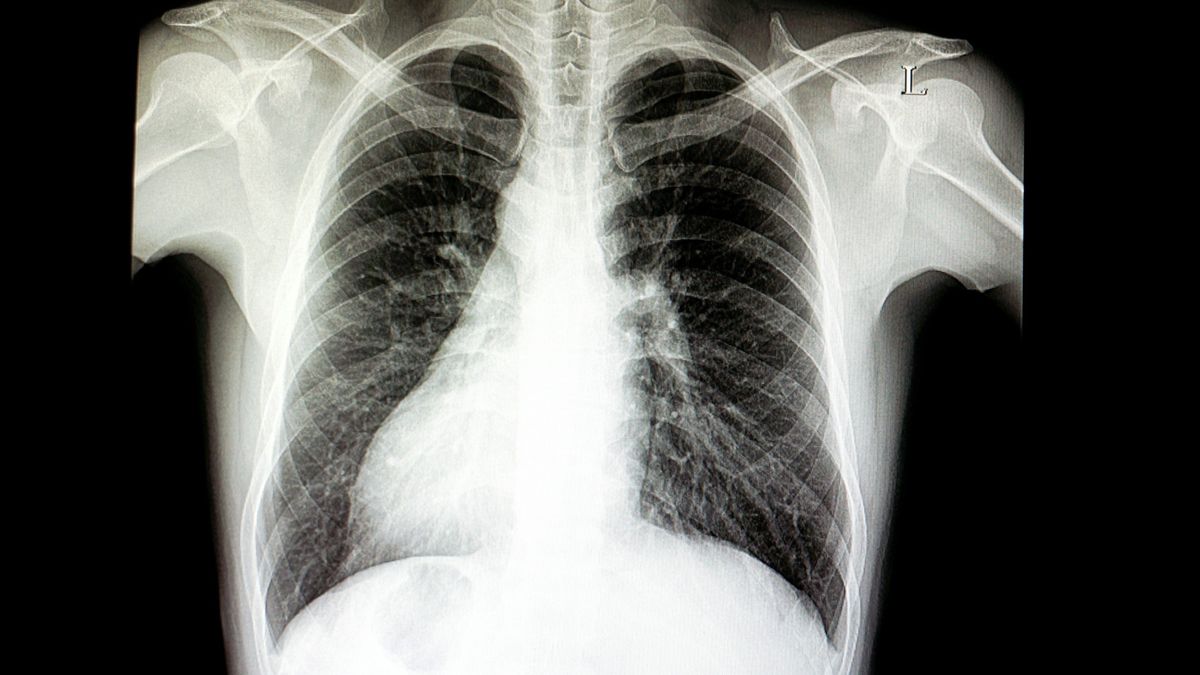
Causes: Situs inversus is a genetic condition that causes organs in the chest and abdomen, such as the liver and spleen, to be flipped across the midline of the body. If the heart’s position is also flipped — a phenomenon known as dextrocardia — then the condition is described as situs inversus totalis.

Situs inversus is caused by mutations in one or more genes. More than 100 genes have been tied to defects in the “sidedness” of the body, such as the gene NME7, which encodes a protein that helps regulate the creation of tube-like cellular structures, called microtubules. These structures have numerous functions, including supporting cell shape and their ability to move around the body.

Related: 10 body parts that are useless in humans (or maybe not)

Situs inversus is inherited in an autosomal recessive manner, meaning that both parents need to pass on a mutated gene for their children to develop it.

People may have situs inversus on its own, or alongside another condition such as primary ciliary dyskinesia. This is when there’s dysfunction in cilia — the tiny, wiggling hair-like structures that keep the airways, ears and sinuses free from infectious germs. During embryonic development, cilia help determine the left-right axis of the body.

Get the world’s most fascinating discoveries delivered straight to your inbox.

Black and white CT scan of the cross-section of a person's body against a black background.

A cross-sectional scan of a patient with situs inversus. Note how the liver is on the patient’s left-hand side, while the spleen is on their right-hand side, as shown by the yellow letters. This is the opposite position to where these organs are normally found. (Image credit: John S. To, MD, public domain, via Wikimedia Commons)

Symptoms: Many people with situs inversus will not develop any notable symptoms from the condition — although the positions of their organs are flipped, the organs still work normally. Many individuals may not even realize that they have situs inversus until they are examined by doctors for another, unrelated condition.

However, between 5% and 10% of people with situs inversus have heart defects that are present from birth. And those who also have primary ciliary dyskinesia may be more likely to develop respiratory infections, such as bronchitis and sinusitis, in which the airways and the sinuses are inflamed, respectively.

If they are unaware of their condition, people with situs inversus may also be at risk of diagnostic errors if they’re hospitalized for certain ailments. For instance, appendicitis typically causes pain on the lower right-hand side of the abdomen, where the appendix is normally located. But this condition may be missed or diagnosed later than usual if the pain a person experiences is on their left-hand-side instead.

Treatments: As situs inversus doesn’t usually cause any symptoms, there is generally no need for treatment. Instead, treatment is focused on targeting the symptoms of any co-occurring conditions, should any emerge.

This article is for informational purposes only and is not meant to offer medical advice.

Ever wonder why some people build muscle more easily than others or why freckles come out in the sun? Send us your questions about how the human body works to community@livescience.com with the subject line “Health Desk Q,” and you may see your question answered on the website!

Source link

Share. Facebook Twitter Pinterest LinkedIn Tumblr Email
Previous ArticleMortgage demand dives nearly 22% to end 2024
Next Article Jarrod Bowen: West Ham captain faces six-week spell on sidelines with foot injury | Football News
Editor
  • Website

Related Posts

Lifestyle

Lemur used in ‘lemur yoga’ session dies of human herpesvirus, study finds

August 15, 2026
Lifestyle

‘A fine line between reducing stigma and trivialising conditions’: Social media, self-diagnosis and the glamorization of ADHD

August 15, 2026
Lifestyle

New 2D memory device stores data on just a single electron

August 15, 2026
Add A Comment

Comments are closed.

Categories
  • Entertainment
  • Lifestyle
  • News
  • Sports
  • Tech
  • Travel
Recent Posts
  • Lemur used in ‘lemur yoga’ session dies of human herpesvirus, study finds
  • ‘A fine line between reducing stigma and trivialising conditions’: Social media, self-diagnosis and the glamorization of ADHD
  • New 2D memory device stores data on just a single electron
  • Before we ban kids from social media completely, here’s what we should try first | Jonathan Bellack and Mariana Olaizola Rosenblat
  • Scientists uncover a better way to beat ‘the bends’ — using deep-diving pigs
calendar
September 2026
M T W T F S S
 123456
78910111213
14151617181920
21222324252627
282930  
« Aug    
Recent Posts
  • Lemur used in ‘lemur yoga’ session dies of human herpesvirus, study finds
  • ‘A fine line between reducing stigma and trivialising conditions’: Social media, self-diagnosis and the glamorization of ADHD
  • New 2D memory device stores data on just a single electron
About

Welcome to Baynard Media, your trusted source for a diverse range of news and insights. We are committed to delivering timely, reliable, and thought-provoking content that keeps you informed
and inspired

Categories
  • Entertainment
  • Lifestyle
  • News
  • Sports
  • Tech
  • Travel
Facebook X (Twitter) Pinterest WhatsApp
  • Contact Us
  • About Us
  • Privacy Policy
  • Disclaimer
  • UNSUBSCRIBE
© 2026 copyrights reserved

Type above and press Enter to search. Press Esc to cancel.