Close Menu
  • Home
  • UNSUBSCRIBE
  • News
  • Lifestyle
  • Tech
  • Entertainment
  • Sports
  • Travel
Facebook X (Twitter) WhatsApp
Trending
  • An ancient piece of the moon found in Africa hints at a long-ago collision that turned the lunar surface molten
  • Do you really have to wash rice before you cook it?
  • Neuroscientists are searching for the ‘cellular substrate of loneliness’
  • Bow-Wow, Ding-Dong, Pooh-Pooh: Expert explains early theories of how human language evolved — and their silly names
  • Famous child mummies in Andes may belong to kids who were sacrificed to ‘ritually anchor’ the Inca’s presence as their empire expanded
  • Artemis II crew captures rare double auroras on the dark side of Earth as they zoom toward the moon — Space photo of the week
  • Has all the water on Earth been peed before?
  • ‘This might be the point of no return’: Experts on the current measles outbreak and where we go from here
Facebook X (Twitter) WhatsApp
Baynard Media
  • Home
  • UNSUBSCRIBE
  • News
  • Lifestyle
  • Tech
  • Entertainment
  • Sports
  • Travel
Baynard Media
Home»Lifestyle»Saturn will disappear behind the moon for skywatchers in Europe on Saturday. Here’s how to see it.
Lifestyle

Saturn will disappear behind the moon for skywatchers in Europe on Saturday. Here’s how to see it.

EditorBy EditorJanuary 3, 2025No Comments3 Mins Read
Share Facebook Twitter Pinterest LinkedIn Tumblr Reddit Telegram Email
Share
Facebook Twitter LinkedIn Pinterest Email

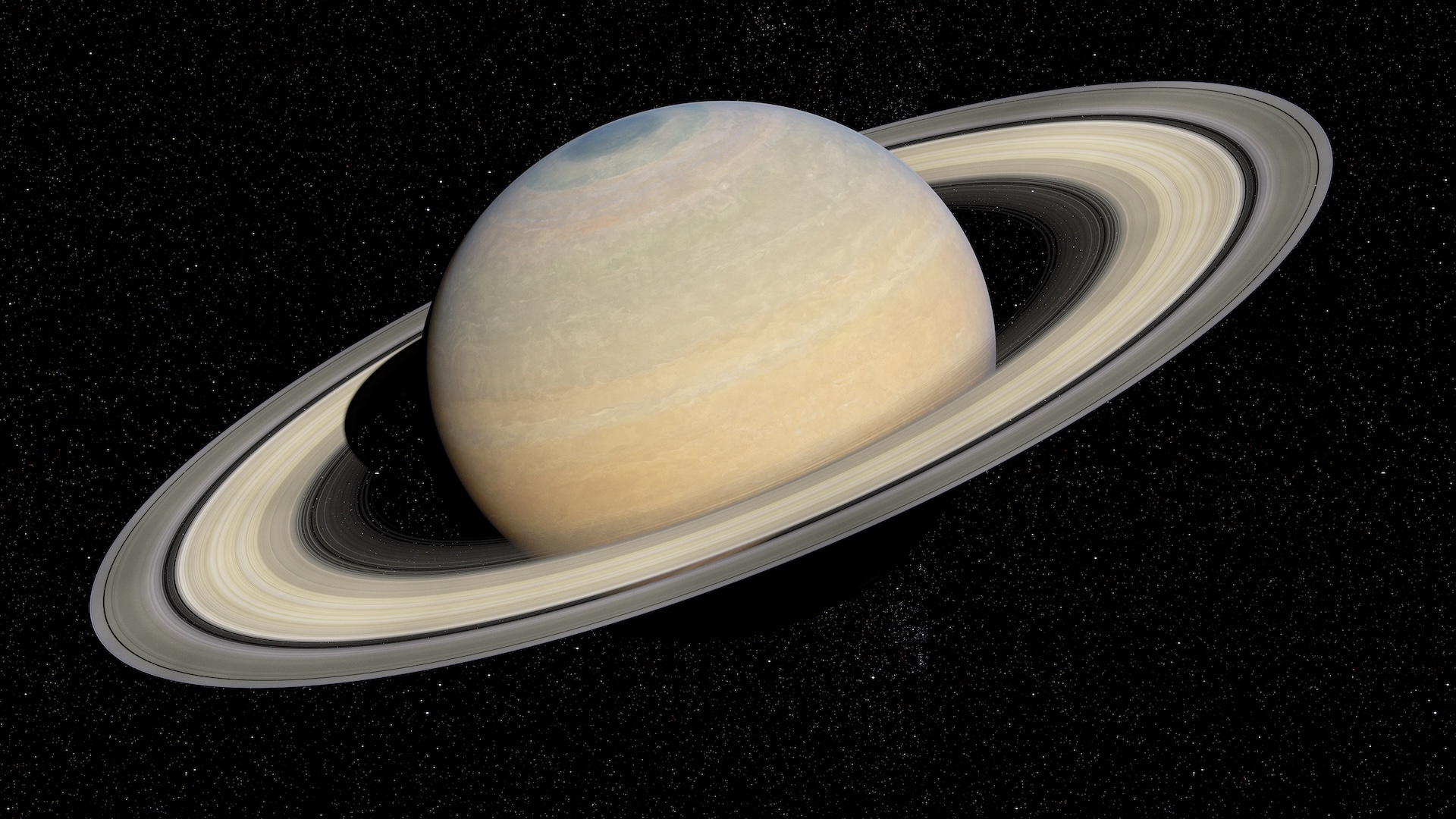
Get your binoculars out! On Saturday (Jan. 4), skywatchers in the U.K. and most of Western and Central Europe will be able to see Saturn vanish behind the crescent moon — an event known as a lunar occultation. There are only two lunar occultations of Saturn in 2025, so you won’t want to miss this stunning event.

To get the best viewing experience, choose a location that’s away from artificial light and allow about half an hour for your eyes to adjust to the dark.

Saturn is very bright, so you can easily view it with your naked eyes. However, it’s best to use a pair of good binoculars or a backyard telescope so you can see Saturn as it grazes the edge of the moon. Binoculars or a telescope will allow you to see the moon’s craters in sharp relief, and you’ll even be able to spot Saturn’s rings and moons.

On Jan. 4, the moon will be a waxing crescent, about 19% illuminated. The moon and Saturn will be close together all night, so they will rise and set around the same time. The rise and set times will vary slightly depending on your location. You can use apps like Stellarium or sites like Time and Date to see when the moon and the planets will rise and set in your exact location.

Saturn will vanish behind the unilluminated part of the moon around 5:15 p.m. GMT, and will emerge from behind the illuminated part of the moon around 6:30 p.m. GMT. However, these times will vary depending on your precise location. You can enter your location in the sidebar on In-the-Sky, which will tell you a more precise time.

The lunar occultation of Saturn will be visible throughout the U.K. and most of Western and Central Europe, as well as in parts of Northern Europe and Northern Africa. This map shows the countries where this lunar occultation will be visible.

Although the lunar occultation of Saturn won’t be visible across the globe, you will still be able to see the conjunction of the moon and Saturn if you miss the lunar occultation. Look for Saturn and the moon in the southwestern sky. The moon will be about 30 degrees above the horizon.

Get the world’s most fascinating discoveries delivered straight to your inbox.

The next lunar occultation will be in February; it will be visible from extreme northern latitudes, parts of Russia and eastern Asia. After that, the next easily visible lunar occultation of Saturn will be in 2037.

Source link

Share. Facebook Twitter Pinterest LinkedIn Tumblr Email
Previous ArticleBritt Allcroft, Thomas the Tank Engine Series Creator, Dead at 81
Next Article Best workout earbuds on sale: Jabra Elite 8 Active Gen 2 are $60 off at Best Buy
Editor
  • Website

Related Posts

Lifestyle

An ancient piece of the moon found in Africa hints at a long-ago collision that turned the lunar surface molten

June 15, 2026
Lifestyle

Do you really have to wash rice before you cook it?

June 15, 2026
Lifestyle

Neuroscientists are searching for the ‘cellular substrate of loneliness’

June 14, 2026
Add A Comment

Comments are closed.

Categories
  • Entertainment
  • Lifestyle
  • News
  • Sports
  • Tech
  • Travel
Recent Posts
  • An ancient piece of the moon found in Africa hints at a long-ago collision that turned the lunar surface molten
  • Do you really have to wash rice before you cook it?
  • Neuroscientists are searching for the ‘cellular substrate of loneliness’
  • Bow-Wow, Ding-Dong, Pooh-Pooh: Expert explains early theories of how human language evolved — and their silly names
  • Famous child mummies in Andes may belong to kids who were sacrificed to ‘ritually anchor’ the Inca’s presence as their empire expanded
calendar
June 2026
M T W T F S S
1234567
891011121314
15161718192021
22232425262728
2930  
« May    
Recent Posts
  • An ancient piece of the moon found in Africa hints at a long-ago collision that turned the lunar surface molten
  • Do you really have to wash rice before you cook it?
  • Neuroscientists are searching for the ‘cellular substrate of loneliness’
About

Welcome to Baynard Media, your trusted source for a diverse range of news and insights. We are committed to delivering timely, reliable, and thought-provoking content that keeps you informed
and inspired

Categories
  • Entertainment
  • Lifestyle
  • News
  • Sports
  • Tech
  • Travel
Facebook X (Twitter) Pinterest WhatsApp
  • Contact Us
  • About Us
  • Privacy Policy
  • Disclaimer
  • UNSUBSCRIBE
© 2026 copyrights reserved

Type above and press Enter to search. Press Esc to cancel.