Close Menu
  • Home
  • UNSUBSCRIBE
  • News
  • Lifestyle
  • Tech
  • Entertainment
  • Sports
  • Travel
Facebook X (Twitter) WhatsApp
Trending
  • New robotic heart mimics common, mysterious condition to help researchers study it
  • Canon EOS R6 III review: A wildlife wonder
  • Medieval babies and adults buried together in Sweden were not related, archaeologists discover — raising big questions about early Christian burial practices
  • NASA is creating a fifth state of matter on the ISS, thanks to an upgrade to a mini-fridge-sized quantum lab
  • New sodium metal battery design charges in just 4 minutes and retains its capacity for years
  • Quantum computing wielded to create extremely rare material critical to nuclear fusion
  • Scientists build tiny ‘diving suit’ for cockroaches, turning them into search-and-rescue cyborgs
  • Physicists develop the first working model of quantum mechanics using only ‘real’ numbers
Facebook X (Twitter) WhatsApp
Baynard Media
  • Home
  • UNSUBSCRIBE
  • News
  • Lifestyle
  • Tech
  • Entertainment
  • Sports
  • Travel
Baynard Media
Home»Lifestyle»Saturn at opposition 2025: How to see the ringed planet at its best and brightest all year
Lifestyle

Saturn at opposition 2025: How to see the ringed planet at its best and brightest all year

EditorBy EditorSeptember 19, 2025No Comments3 Mins Read
Share Facebook Twitter Pinterest LinkedIn Tumblr Reddit Telegram Email
Share
Facebook Twitter LinkedIn Pinterest Email

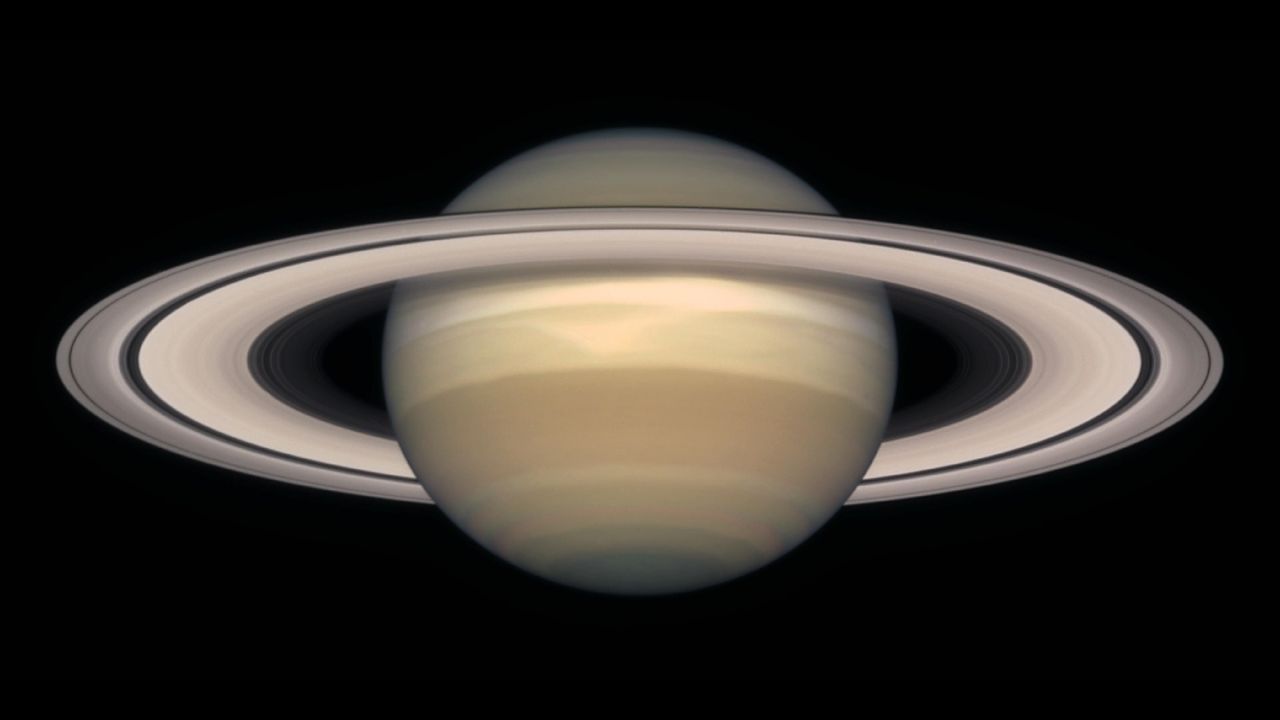
The best time to view Saturn is almost here: On Sept. 21, the ringed planet will reach opposition, meaning Earth will be positioned directly between Saturn and the sun. (In other words, it is on the opposite side of Earth as the sun.) At that moment, the sun, Earth and Saturn will form a straight line.

During opposition, Saturn will appear to be at its biggest and brightest because the planet will be at its closest point to Earth. Similar to a full moon, Saturn will seem to be fully illuminated by the sun’s rays because of its position relative to the sun. This event happens just once every 378 days, so you won’t want to miss this opportunity to see it.

When Saturn reaches opposition, viewing conditions will be ideal. On Sept. 21, the moon will be in its new phase, so moonlight won’t threaten to wash out objects in the night sky. And because Saturn will be directly opposite the sun, the planet will be visible all night, rising in the east around sunset and setting in the west around dawn local time, according to Earth Sky.


You may like

To make these viewing conditions even better, observe Saturn away from sources of artificial light, which can wash out objects in the night sky and make skywatching more difficult. You’ll also want to allow 15 to 30 minutes for your eyes to adjust to the dark before you begin your observations. If you must use a flashlight, choose red light instead of white light to preserve your night vision.

Saturn will appear at the bottom of the constellation Pisces. Because the ringed planet is quite bright, it’s easy to spot in the night sky. But if you need help locating Saturn, you can use a skywatching app like Stellarium.

The best way to view Saturn is through a pair of skywatching binoculars or a backyard telescope. Through skywatching equipment, you can observe Saturn’s stunning rings, which undergo a dramatic brightening known as the Seeliger effect.

Related: A ‘crescent sunrise’ solar eclipse is coming this weekend. Here’s where to see it.

Get the world’s most fascinating discoveries delivered straight to your inbox.

When Saturn reaches opposition, the rings appear much brighter than normal because the direct sunlight reflects off the rings and eliminates shadows among the countless particles that make up Saturn’s rings, according to Astronomy Magazine. The Seeliger effect lasts a few days around the time Saturn reaches opposition.

Although the precise moment of opposition centers on Sept. 21, it takes Saturn a couple of weeks to approach and leave its position in the opposite part of the sky from the sun. So if you can’t see Saturn on the 21st, you still have some time to view the ringed planet at its biggest and brightest a day or two before and after that date.

Saturn happens to reach opposition this year on the same day that a partial solar eclipse will be visible from parts of Antarctica, Australia and New Zealand. The next day, Sept. 22, marks the autumn equinox in the Northern Hemisphere, when Earth’s seasons change and progressively longer nights for skywatching begin in the North.

Source link

Share. Facebook Twitter Pinterest LinkedIn Tumblr Email
Previous ArticleTimeline of Charlie Kirk’s alleged assassin from shooting to sheriff’s office surrender and more top headlines
Next Article Revamped CDC Panel to Recommend New Vaccine Guidance
Editor
  • Website

Related Posts

Lifestyle

New robotic heart mimics common, mysterious condition to help researchers study it

July 11, 2026
Lifestyle

Canon EOS R6 III review: A wildlife wonder

July 10, 2026
Lifestyle

Medieval babies and adults buried together in Sweden were not related, archaeologists discover — raising big questions about early Christian burial practices

July 10, 2026
Add A Comment

Comments are closed.

Categories
  • Entertainment
  • Lifestyle
  • News
  • Sports
  • Tech
  • Travel
Recent Posts
  • New robotic heart mimics common, mysterious condition to help researchers study it
  • Canon EOS R6 III review: A wildlife wonder
  • Medieval babies and adults buried together in Sweden were not related, archaeologists discover — raising big questions about early Christian burial practices
  • NASA is creating a fifth state of matter on the ISS, thanks to an upgrade to a mini-fridge-sized quantum lab
  • New sodium metal battery design charges in just 4 minutes and retains its capacity for years
calendar
July 2026
M T W T F S S
 12345
6789101112
13141516171819
20212223242526
2728293031  
« Jun    
Recent Posts
  • New robotic heart mimics common, mysterious condition to help researchers study it
  • Canon EOS R6 III review: A wildlife wonder
  • Medieval babies and adults buried together in Sweden were not related, archaeologists discover — raising big questions about early Christian burial practices
About

Welcome to Baynard Media, your trusted source for a diverse range of news and insights. We are committed to delivering timely, reliable, and thought-provoking content that keeps you informed
and inspired

Categories
  • Entertainment
  • Lifestyle
  • News
  • Sports
  • Tech
  • Travel
Facebook X (Twitter) Pinterest WhatsApp
  • Contact Us
  • About Us
  • Privacy Policy
  • Disclaimer
  • UNSUBSCRIBE
© 2026 copyrights reserved

Type above and press Enter to search. Press Esc to cancel.