Close Menu
  • Home
  • UNSUBSCRIBE
  • News
  • Lifestyle
  • Tech
  • Entertainment
  • Sports
  • Travel
Facebook X (Twitter) WhatsApp
Trending
  • New robotic heart mimics common, mysterious condition to help researchers study it
  • Canon EOS R6 III review: A wildlife wonder
  • Medieval babies and adults buried together in Sweden were not related, archaeologists discover — raising big questions about early Christian burial practices
  • NASA is creating a fifth state of matter on the ISS, thanks to an upgrade to a mini-fridge-sized quantum lab
  • New sodium metal battery design charges in just 4 minutes and retains its capacity for years
  • Quantum computing wielded to create extremely rare material critical to nuclear fusion
  • Scientists build tiny ‘diving suit’ for cockroaches, turning them into search-and-rescue cyborgs
  • Physicists develop the first working model of quantum mechanics using only ‘real’ numbers
Facebook X (Twitter) WhatsApp
Baynard Media
  • Home
  • UNSUBSCRIBE
  • News
  • Lifestyle
  • Tech
  • Entertainment
  • Sports
  • Travel
Baynard Media
Home»Lifestyle»Quadrantid meteor shower: How to watch the first ‘shooting stars’ of 2025 rain over Earth tonight
Lifestyle

Quadrantid meteor shower: How to watch the first ‘shooting stars’ of 2025 rain over Earth tonight

EditorBy EditorJanuary 2, 2025No Comments2 Mins Read
Share Facebook Twitter Pinterest LinkedIn Tumblr Reddit Telegram Email
Share
Facebook Twitter LinkedIn Pinterest Email

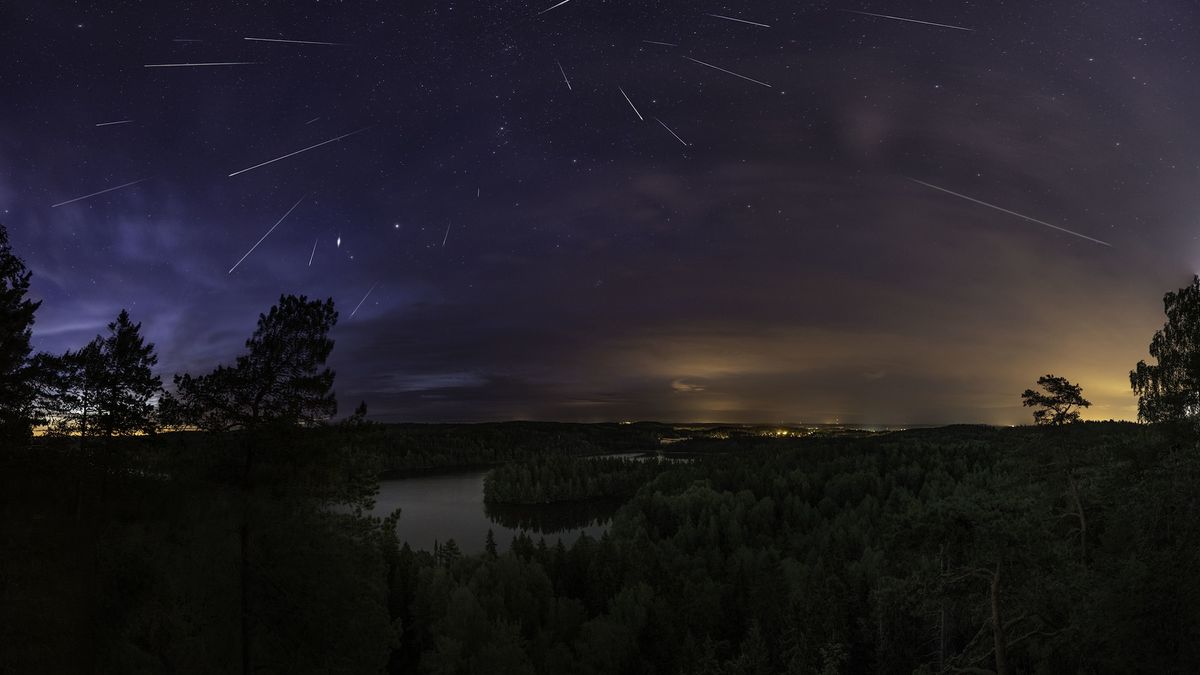
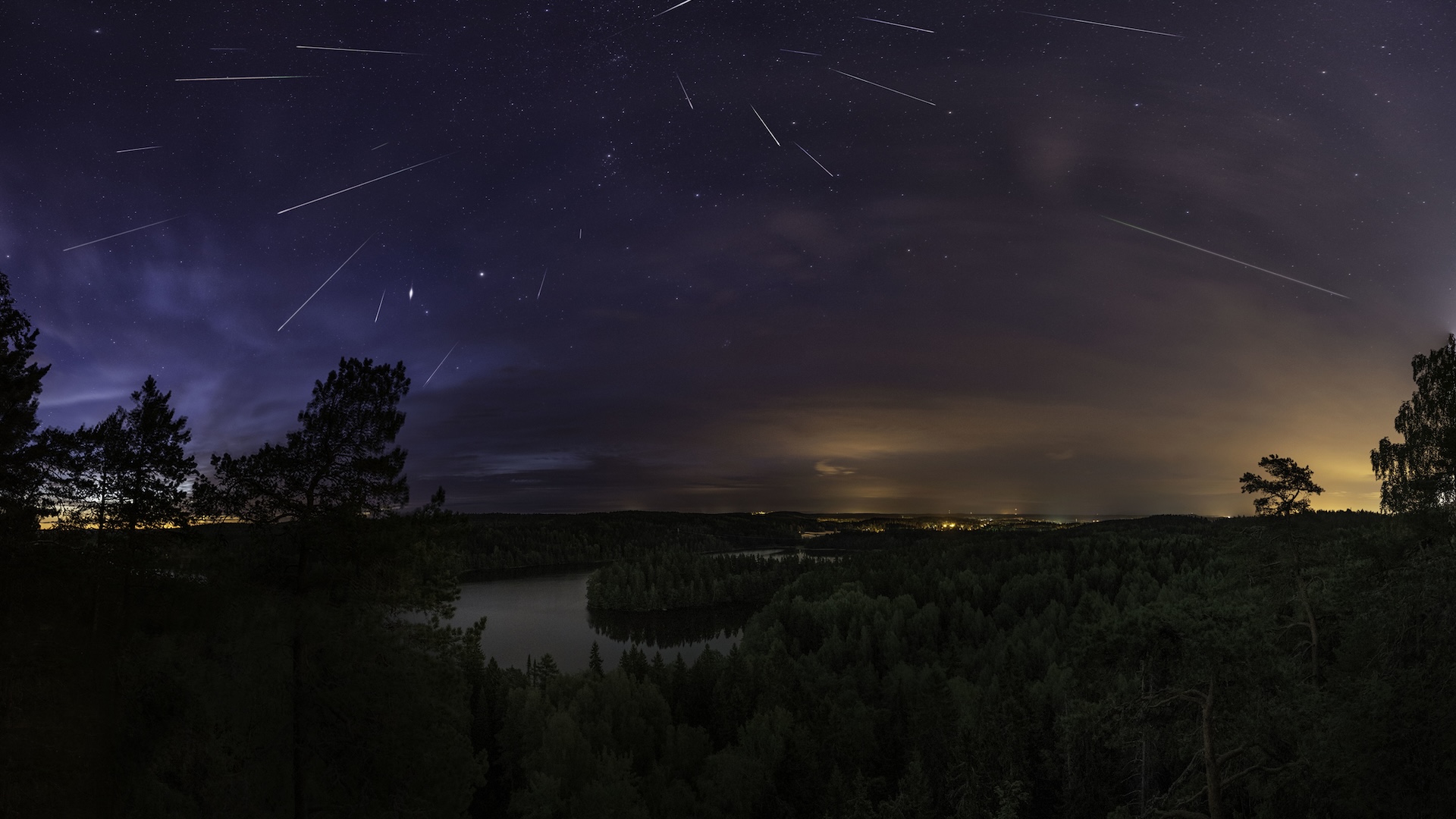
The first and one of the most prolific meteor showers of 2025 will peak tonight, bringing super-bright fireballs and regular shooting stars.

The Quadrantid meteor shower is not particularly well known, running from Dec. 26, 2024, through Jan. 16, 2025, according to the American Meteor Society. That’s largely because they occur for Northern Hemisphere observers during a time of cold and often cloudy weather.

However, if the skies are clear, about 25 shooting stars — some of them particularly bright fireballs that can momentarily light up the sky — may be seen during the peak, which will happen overnight on Thursday, Jan. 2, through Friday, Jan. 3, 2025. The peak is predicted for 12:45 p.m. on Jan. 3, meaning the best time to observe the showers is a couple of hours before sunrise on Jan. 3, though those farthest west will likely see the most meteors.

Related: The 10 best stargazing events of 2025

The Quadrantids occur thanks to the asteroid 2003 EH1, which orbits the sun every 5.5 years. From late December to mid-January, Earth moves through the streams of dust and debris it has left in the solar system over many decades. Between Jan. 3 and Jan. 4, it moves through the densest part of that stream, causing a peak in meteor rates.

Where to see the Quadrantid meteor shower

Astronomical conditions are perfect all night, with a crescent moon setting shortly after sunset on Jan. 2, meaning the night sky will be as dark as it ever gets. It’s important before a meteor shower to avoid light pollution to better observe the light show, though likely cold conditions make that challenging.

Those in the Northern Hemisphere will have the best chance to see the Quadrantids because of their source constellation. Shooting stars result from dust and debris striking Earth’s atmosphere. For the Quadrantid, that happens in front of the stars of Quadrans Muralis, a constellation that is no longer officially in use. Its shape resembles a quadrant — an instrument used to measure the altitude of stars above the horizon — and can be found close to Ursa Major, home to the Big Dipper asterism, in the northern sky as seen from the Northern Hemisphere.

Get the world’s most fascinating discoveries delivered straight to your inbox.

The Quadrantids are also notable because there is no major meteor shower after them until April’s Lyrids and May’s Eta Aquariids.

Source link

Share. Facebook Twitter Pinterest LinkedIn Tumblr Email
Previous ArticleMen’s Six Nations 2025: Full fixtures as Ireland defend back-to-back championship titles | Rugby Union News
Next Article We’re Counting Down the Days Until These 2025 Pop Culture Events
Editor
  • Website

Related Posts

Lifestyle

New robotic heart mimics common, mysterious condition to help researchers study it

July 11, 2026
Lifestyle

Canon EOS R6 III review: A wildlife wonder

July 10, 2026
Lifestyle

Medieval babies and adults buried together in Sweden were not related, archaeologists discover — raising big questions about early Christian burial practices

July 10, 2026
Add A Comment

Comments are closed.

Categories
  • Entertainment
  • Lifestyle
  • News
  • Sports
  • Tech
  • Travel
Recent Posts
  • New robotic heart mimics common, mysterious condition to help researchers study it
  • Canon EOS R6 III review: A wildlife wonder
  • Medieval babies and adults buried together in Sweden were not related, archaeologists discover — raising big questions about early Christian burial practices
  • NASA is creating a fifth state of matter on the ISS, thanks to an upgrade to a mini-fridge-sized quantum lab
  • New sodium metal battery design charges in just 4 minutes and retains its capacity for years
calendar
July 2026
M T W T F S S
 12345
6789101112
13141516171819
20212223242526
2728293031  
« Jun    
Recent Posts
  • New robotic heart mimics common, mysterious condition to help researchers study it
  • Canon EOS R6 III review: A wildlife wonder
  • Medieval babies and adults buried together in Sweden were not related, archaeologists discover — raising big questions about early Christian burial practices
About

Welcome to Baynard Media, your trusted source for a diverse range of news and insights. We are committed to delivering timely, reliable, and thought-provoking content that keeps you informed
and inspired

Categories
  • Entertainment
  • Lifestyle
  • News
  • Sports
  • Tech
  • Travel
Facebook X (Twitter) Pinterest WhatsApp
  • Contact Us
  • About Us
  • Privacy Policy
  • Disclaimer
  • UNSUBSCRIBE
© 2026 copyrights reserved

Type above and press Enter to search. Press Esc to cancel.