Close Menu
  • Home
  • UNSUBSCRIBE
  • News
  • Lifestyle
  • Tech
  • Entertainment
  • Sports
  • Travel
Facebook X (Twitter) WhatsApp
Trending
  • Lemur used in ‘lemur yoga’ session dies of human herpesvirus, study finds
  • ‘A fine line between reducing stigma and trivialising conditions’: Social media, self-diagnosis and the glamorization of ADHD
  • New 2D memory device stores data on just a single electron
  • Before we ban kids from social media completely, here’s what we should try first | Jonathan Bellack and Mariana Olaizola Rosenblat
  • Scientists uncover a better way to beat ‘the bends’ — using deep-diving pigs
  • Mars may have been losing its water more than 4 billion years ago, oldest-known Martian meteorite suggests
  • ‘The lance head was still inside the pelvis’: Mass grave found in Austria may hold casualties of unknown ancient Roman battle
  • ‘Full-on berserker mode’: Archaeologists solve mystery of medieval soldiers with gruesome square holes in their skull
Facebook X (Twitter) WhatsApp
Baynard Media
  • Home
  • UNSUBSCRIBE
  • News
  • Lifestyle
  • Tech
  • Entertainment
  • Sports
  • Travel
Baynard Media
Home»Lifestyle»‘Planet parade’ 2025: See the ultra-rare planetary alignment peak this week, before Saturn gets swallowed by the sunset
Lifestyle

‘Planet parade’ 2025: See the ultra-rare planetary alignment peak this week, before Saturn gets swallowed by the sunset

EditorBy EditorFebruary 26, 2025No Comments2 Mins Read
Share Facebook Twitter Pinterest LinkedIn Tumblr Reddit Telegram Email
Share
Facebook Twitter LinkedIn Pinterest Email

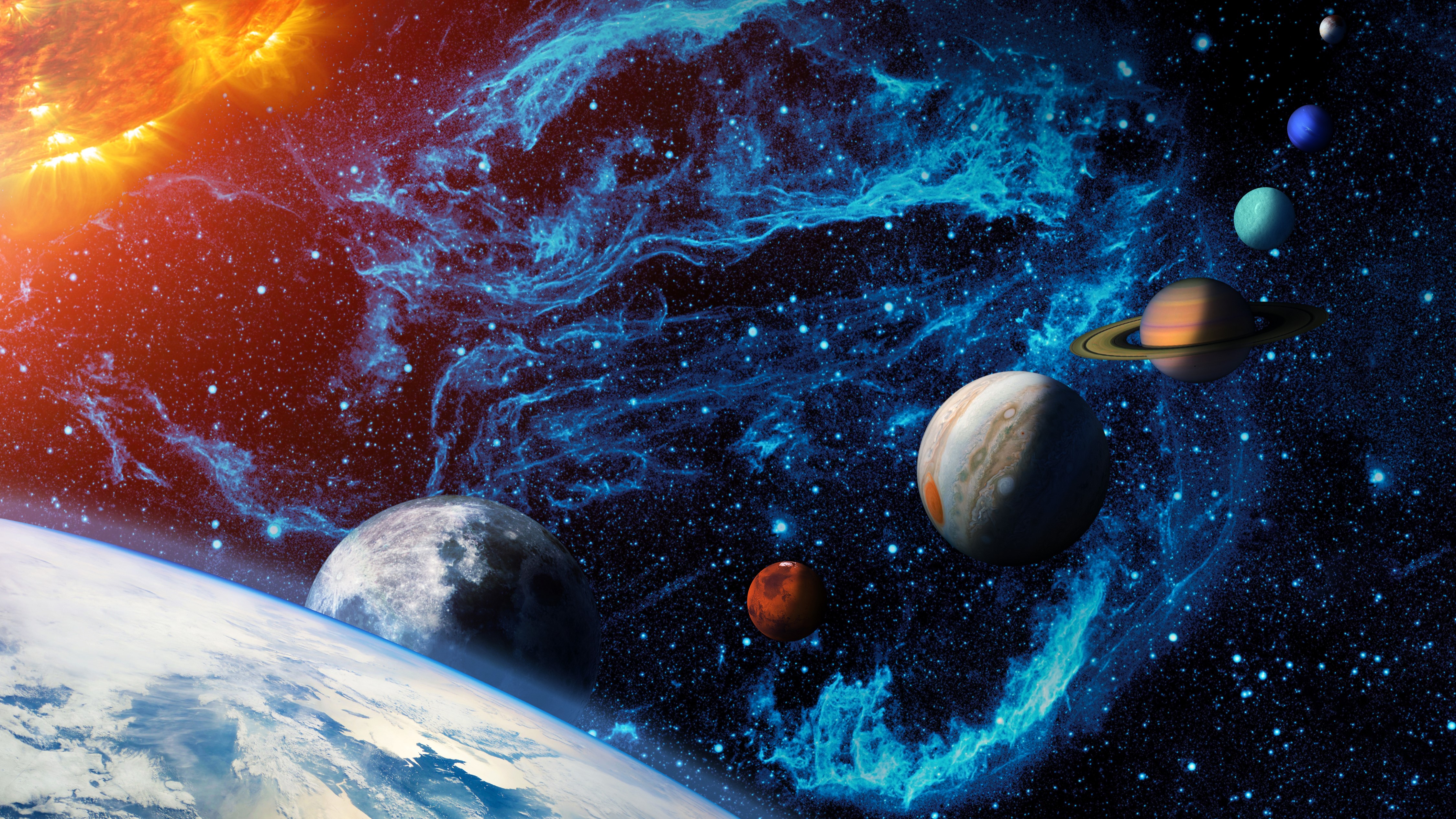
Seven planets in the solar system — Mercury, Venus, Mars, Jupiter, Saturn, Uranus and Neptune — will line up in the night sky Friday (Feb. 28) in an incredibly rare “planetary parade.”

Although most of these planets have been visible in the night sky since January, Mercury will be joining the procession for just a few days, before Saturn gets lost in the sunset’s glare in early March.

Five of these worlds will be easily visible to the unaided eye, but you will need a good telescope to see the full show, according to NASA.

That’s because at least two of the planets — Uranus and Neptune — will be too dim to see with the naked eye and will likely be masked by the glare of the setting sun at twilight, NASA said. Saturn will also be trickier to see in some locations due to its position close to the horizon.

If you have a good telescope to catch the full display, the best time to view all seven planets in the Northern Hemisphere will be after sunset on Friday (Feb. 28) at around 8:30 p.m. local time, according to SkyatNightMagazine.

Related: Have all 8 planets ever aligned?

Planetary conjunctions occur when two or more planets appear to be close together in the sky. Of course, this is only from our perspective on Earth; in reality, the planets remain extremely far apart.

Get the world’s most fascinating discoveries delivered straight to your inbox.

Conjunctions happen because the planets of the solar system orbit the sun along roughly the same flat plane as Earth, and they occasionally align when their different orbital distances and speeds bring them into a cluster on Earth’s nightside.

These conjunctions aren’t rare, but they do get rarer with each planet added to the chain. The three innermost planets — Mercury, Venus and Earth — align within 3.6 degrees in the sky every 39.6 years. For all of the solar system’s eight planets to align that closely, it would take 396 billion years — something that has never happened and won’t happen before the sun becomes a red giant, consuming Mercury, Venus and likely Earth in the process.

We recommend Time and Date and Stellarium as two great online tools for finding viewing dates and times based on where you are in the world. On mobile phones, Sky Tonight is a free app that will do the same job.

Source link

Share. Facebook Twitter Pinterest LinkedIn Tumblr Email
Previous ArticleU.S. will spend up to $1 billion to combat bird flu, USDA secretary says
Next Article Woman arrested following fourth vandalism incident at Colorado Tesla dealership
Editor
  • Website

Related Posts

Lifestyle

Lemur used in ‘lemur yoga’ session dies of human herpesvirus, study finds

August 15, 2026
Lifestyle

‘A fine line between reducing stigma and trivialising conditions’: Social media, self-diagnosis and the glamorization of ADHD

August 15, 2026
Lifestyle

New 2D memory device stores data on just a single electron

August 15, 2026
Add A Comment

Comments are closed.

Categories
  • Entertainment
  • Lifestyle
  • News
  • Sports
  • Tech
  • Travel
Recent Posts
  • Lemur used in ‘lemur yoga’ session dies of human herpesvirus, study finds
  • ‘A fine line between reducing stigma and trivialising conditions’: Social media, self-diagnosis and the glamorization of ADHD
  • New 2D memory device stores data on just a single electron
  • Before we ban kids from social media completely, here’s what we should try first | Jonathan Bellack and Mariana Olaizola Rosenblat
  • Scientists uncover a better way to beat ‘the bends’ — using deep-diving pigs
calendar
August 2026
M T W T F S S
 12
3456789
10111213141516
17181920212223
24252627282930
31  
« Jul    
Recent Posts
  • Lemur used in ‘lemur yoga’ session dies of human herpesvirus, study finds
  • ‘A fine line between reducing stigma and trivialising conditions’: Social media, self-diagnosis and the glamorization of ADHD
  • New 2D memory device stores data on just a single electron
About

Welcome to Baynard Media, your trusted source for a diverse range of news and insights. We are committed to delivering timely, reliable, and thought-provoking content that keeps you informed
and inspired

Categories
  • Entertainment
  • Lifestyle
  • News
  • Sports
  • Tech
  • Travel
Facebook X (Twitter) Pinterest WhatsApp
  • Contact Us
  • About Us
  • Privacy Policy
  • Disclaimer
  • UNSUBSCRIBE
© 2026 copyrights reserved

Type above and press Enter to search. Press Esc to cancel.