Close Menu
  • Home
  • UNSUBSCRIBE
  • News
  • Lifestyle
  • Tech
  • Entertainment
  • Sports
  • Travel
Facebook X (Twitter) WhatsApp
Trending
  • New robotic heart mimics common, mysterious condition to help researchers study it
  • Canon EOS R6 III review: A wildlife wonder
  • Medieval babies and adults buried together in Sweden were not related, archaeologists discover — raising big questions about early Christian burial practices
  • NASA is creating a fifth state of matter on the ISS, thanks to an upgrade to a mini-fridge-sized quantum lab
  • New sodium metal battery design charges in just 4 minutes and retains its capacity for years
  • Quantum computing wielded to create extremely rare material critical to nuclear fusion
  • Scientists build tiny ‘diving suit’ for cockroaches, turning them into search-and-rescue cyborgs
  • Physicists develop the first working model of quantum mechanics using only ‘real’ numbers
Facebook X (Twitter) WhatsApp
Baynard Media
  • Home
  • UNSUBSCRIBE
  • News
  • Lifestyle
  • Tech
  • Entertainment
  • Sports
  • Travel
Baynard Media
Home»Lifestyle»People have been dumping corpses into the Thames since at least the Bronze Age, study finds
Lifestyle

People have been dumping corpses into the Thames since at least the Bronze Age, study finds

EditorBy EditorFebruary 11, 2025No Comments3 Mins Read
Share Facebook Twitter Pinterest LinkedIn Tumblr Reddit Telegram Email
Share
Facebook Twitter LinkedIn Pinterest Email

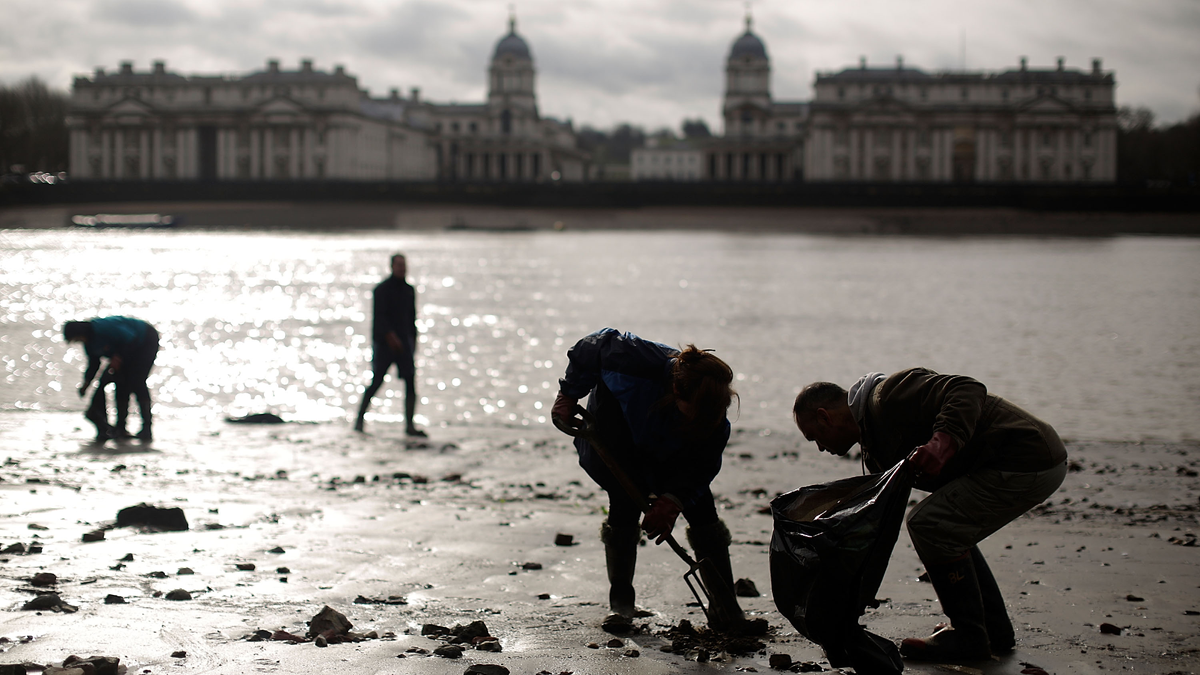
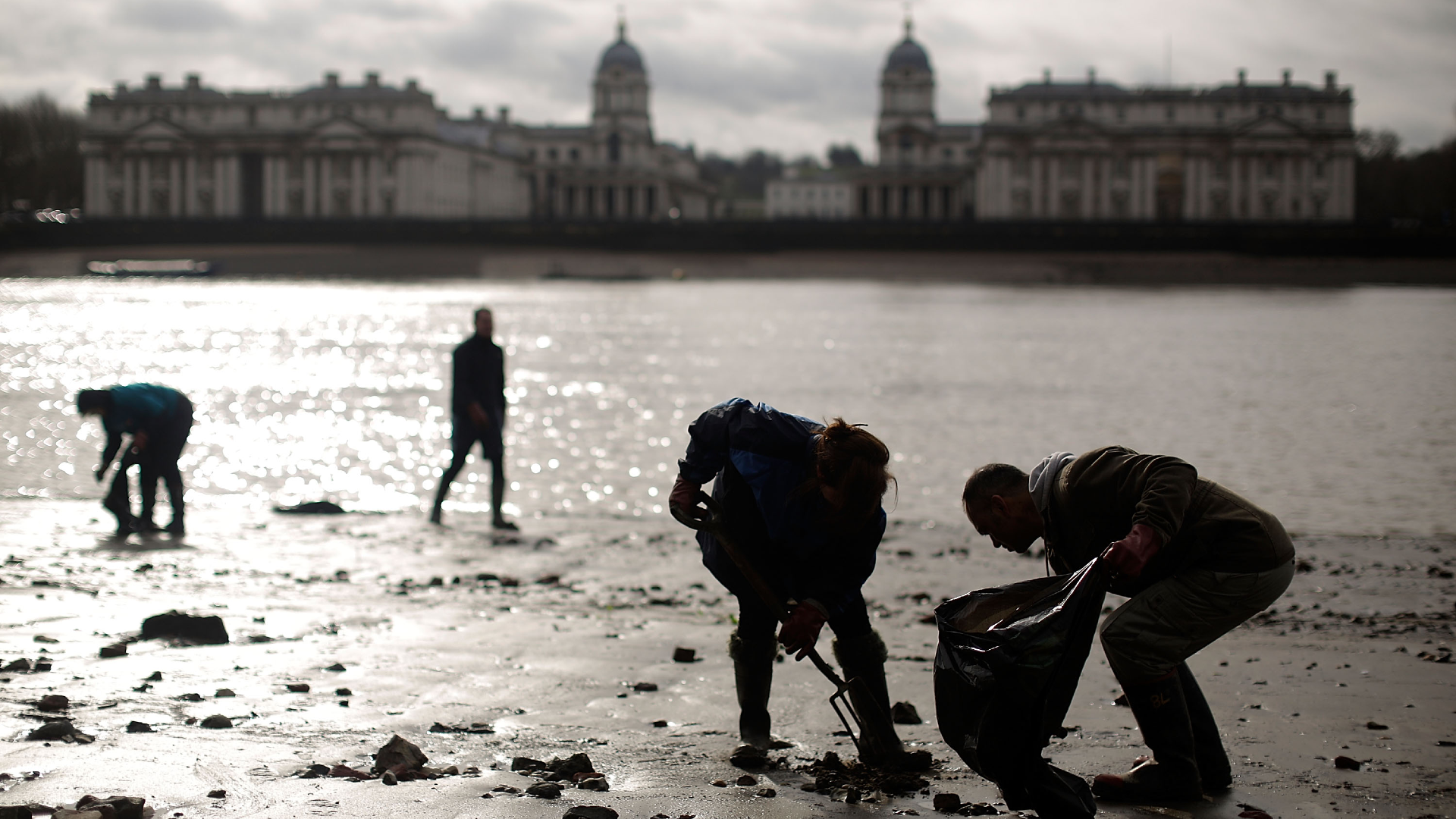
Hundreds of human bones have been dredged from the bottom of England’s River Thames over the past two centuries, and a new study of these skeletons suggests that most of them date back to the Bronze and Iron ages. But why people deposited corpses into the Thames remains an open question.

In a study published Jan. 28 in the journal Antiquity, researchers detailed their analysis of radiocarbon dates from 30 skeletons discovered in the Thames, with a goal of investigating when and why corpses ended up in the river.

“Most people — including Londoners! — are quite taken aback to hear that hundreds of human bones have come from the River Thames,” study lead author Nichola Arthur, a curator at the Natural History Museum in London, told Live Science in an email. Human skeletons “have been encountered fairly regularly in the water places of northwest Europe,” Arthur said, but “the Thames human bones represent a uniquely large assemblage.”

Researchers have studied skeletons from the Thames since the 19th century. One early theory about these discoveries was that the corpses came from a battle between Celts and Romans, while in the late 20th century, experts suggested most of the bodies came from erosion of riverbank burials and drowning victims.

“The big question for these human bones is how they came to be in the river,” Arthur said. Her first step was to produce dozens of radiocarbon dates to better understand when the bodies ended up there.

Related: 4,000-year-old bones reveal ‘unprecedented’ violence — tongue removal, cannibalism and evisceration in Bronze Age Britain

When the researchers merged their 30 new radiocarbon dates with 31 previous dates, they discovered that the Thames bodies came from 4000 B.C. to A.D. 1800 — a span of nearly 6,000 years. But most came from the Bronze Age (2300 to 800 B.C.) and the Iron Age (800 B.C. to A.D. 43) and were found in upstream zones of the river.

Get the world’s most fascinating discoveries delivered straight to your inbox.

“We can now say with confidence that these don’t appear to just be bones that have steadily accumulated in the river through time,” Arthur said. “There really was something significant going on in the Bronze and Iron Ages.”

The exact reason for the bodies’ placement in the Thames is unclear, but Arthur suspects that it was part of a wider pattern in northwest Europe in which prehistoric people intentionally deposited ritually important remains in watery places.

“This research has moved the arguments along, but the funerary origin of these remains is yet to be completely studied and demonstrated,” Chris Knüsel, a bioarchaeologist at the University of Bordeaux in France, told Live Science in an email.

Knüsel, who has also studied the Thames remains but was not involved in Arthur’s work, said the evidence may point to a different reason the human remains ended up in the Thames: violent encounters resulting from fights over this important river.

“Violence is a particularly common theme for later prehistoric human remains from watery places,” Arthur said, including bog bodies with evidence of violent deaths, and “we have found patterns of skeletal trauma on the bones of the Thames human remains.”

Analysis of the injuries on the bones is the focus of a forthcoming study. “Exploring exactly how the Thames human remains might fit into these practices is one of the next exciting steps of the project,” Arthur said.

Source link

Share. Facebook Twitter Pinterest LinkedIn Tumblr Email
Previous ArticleEllie Kildunne: Red Roses have chance to write England Rugby World Cup fairytale in golden age for women’s sport | Rugby Union News
Next Article Best Echo Dot deal: Save $10 at Amazon
Editor
  • Website

Related Posts

Lifestyle

New robotic heart mimics common, mysterious condition to help researchers study it

July 11, 2026
Lifestyle

Canon EOS R6 III review: A wildlife wonder

July 10, 2026
Lifestyle

Medieval babies and adults buried together in Sweden were not related, archaeologists discover — raising big questions about early Christian burial practices

July 10, 2026
Add A Comment

Comments are closed.

Categories
  • Entertainment
  • Lifestyle
  • News
  • Sports
  • Tech
  • Travel
Recent Posts
  • New robotic heart mimics common, mysterious condition to help researchers study it
  • Canon EOS R6 III review: A wildlife wonder
  • Medieval babies and adults buried together in Sweden were not related, archaeologists discover — raising big questions about early Christian burial practices
  • NASA is creating a fifth state of matter on the ISS, thanks to an upgrade to a mini-fridge-sized quantum lab
  • New sodium metal battery design charges in just 4 minutes and retains its capacity for years
calendar
July 2026
M T W T F S S
 12345
6789101112
13141516171819
20212223242526
2728293031  
« Jun    
Recent Posts
  • New robotic heart mimics common, mysterious condition to help researchers study it
  • Canon EOS R6 III review: A wildlife wonder
  • Medieval babies and adults buried together in Sweden were not related, archaeologists discover — raising big questions about early Christian burial practices
About

Welcome to Baynard Media, your trusted source for a diverse range of news and insights. We are committed to delivering timely, reliable, and thought-provoking content that keeps you informed
and inspired

Categories
  • Entertainment
  • Lifestyle
  • News
  • Sports
  • Tech
  • Travel
Facebook X (Twitter) Pinterest WhatsApp
  • Contact Us
  • About Us
  • Privacy Policy
  • Disclaimer
  • UNSUBSCRIBE
© 2026 copyrights reserved

Type above and press Enter to search. Press Esc to cancel.