Close Menu
  • Home
  • UNSUBSCRIBE
  • News
  • Lifestyle
  • Tech
  • Entertainment
  • Sports
  • Travel
Facebook X (Twitter) WhatsApp
Trending
  • China unveils first-of-its-kind ‘dual-core’ quantum computer — its makers say it improves stability and efficiency
  • PMOS (formerly PCOS): Symptoms, diagnosis and treatment
  • 2,000 years ago in Scotland, people removed a corpse’s brain and fashioned the arm bones into tools
  • Scientists are fast-tracking 3 Ebola vaccines in hopes of shortening the outbreak — when could they be ready?
  • 2 vanished ‘super Earths’ once orbited near Uranus and Neptune, new study hints
  • Ditch full of 7,000-year-old headless human skeletons discovered in Slovakia, baffling archaeologists
  • Manhattan Project physicist Richard Feynman’s forgotten notes on ‘the restaurant problem’ deciphered after 50 years
  • Doctors need to understand patients’ lived experiences to treat them well—but medical schools may stop requiring that training | Naa Asheley Ashitey
Facebook X (Twitter) WhatsApp
Baynard Media
  • Home
  • UNSUBSCRIBE
  • News
  • Lifestyle
  • Tech
  • Entertainment
  • Sports
  • Travel
Baynard Media
Home»Lifestyle»Pallas’s cat: One of the world’s oldest felines that stands on its bushy tail to keep its paws warm
Lifestyle

Pallas’s cat: One of the world’s oldest felines that stands on its bushy tail to keep its paws warm

EditorBy EditorAugust 23, 2025No Comments3 Mins Read
Share Facebook Twitter Pinterest LinkedIn Tumblr Reddit Telegram Email
Share
Facebook Twitter LinkedIn Pinterest Email

QUICK FACTS

Name: Pallas’s cat (Otocolobus manul)

Where it lives: Steppes and high-elevation grasslands in Central Asia, particularly Mongolia and China

What it eats: Small rodents, including gerbils, hamsters and pikas, small lizards and birds

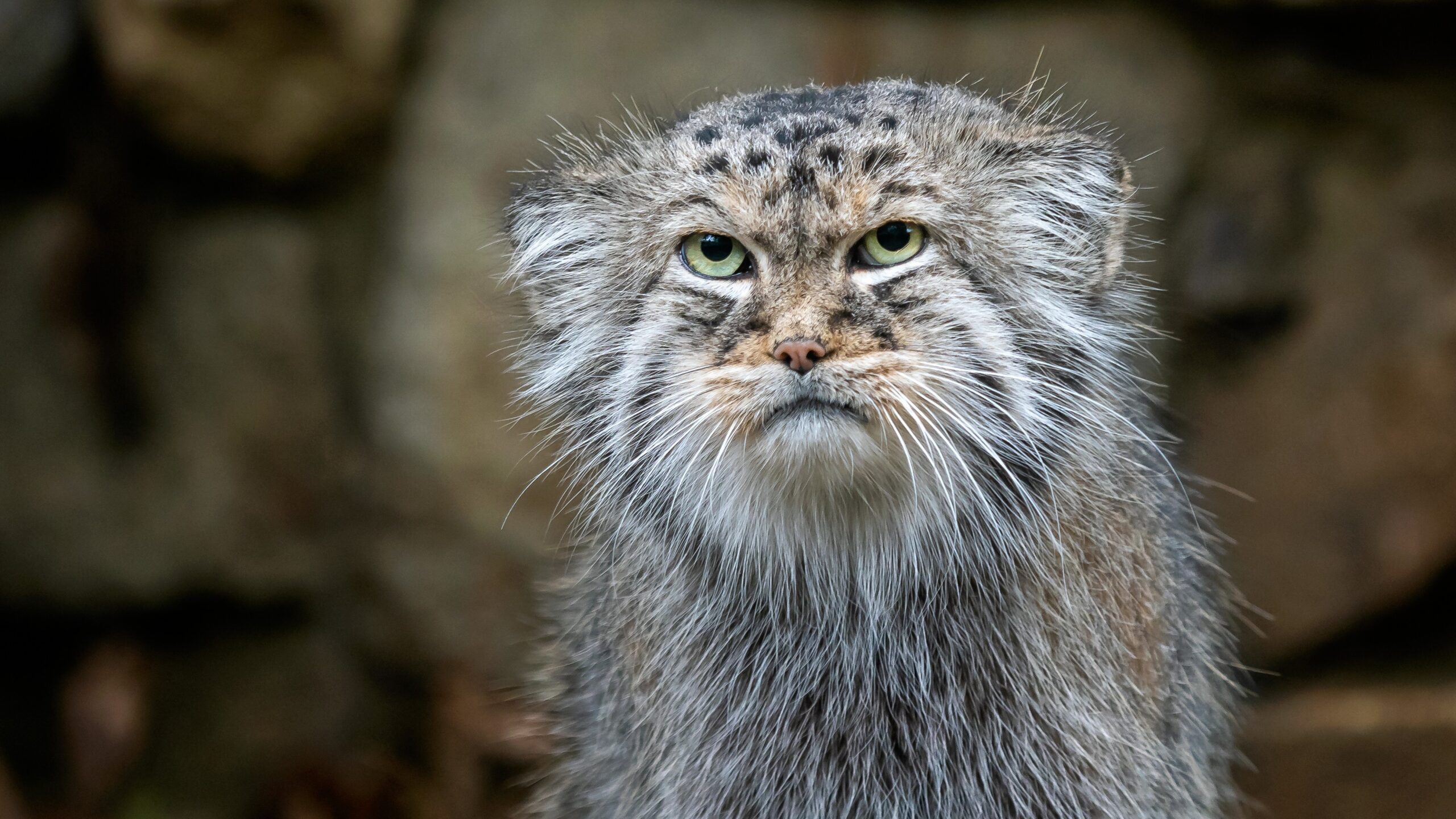
Pallas’s cat, also known as a manul, is a feline from Central Asia that yelps like a small dog and has such short legs that it sometimes struggles to run after prey. Researchers think it is one of the oldest living cat species in the world, having diverged 5.2 million years ago from a leopard ancestor.

Although it looks stocky, Pallas’s cat isn’t actually much bigger than a domestic cat beneath its long, dense fur. This thick coat provides insulation against its environment, the freezing cold of Central Asia’s steppe and high-altitude grassland ecosystems. The species is rarely seen because it is solitary and very secretive, spending the daytime in rock crevices and marmot burrows.

Pallas’s cat comes out at dusk to hunt and stays out until dawn. It is an ambush predator, meaning it waits at the exits of rodent burrows until its prey appears — although some cats also stick their paws in to scoop out a meal, according to the Smithsonian’s National Zoo & Conservation Biology Institute.


You may like

Even if Pallas’s cat is active during the day, the feline is hard to spot. Its coat is usually gray or light tan, but it can change color with the seasons to better blend into the local landscape, according to the National Zoo. Most of the hairs also have white tips, giving the cat a mottled or frosted appearance that is difficult to distinguish from rocks and shrubs in its natural surroundings.

A Pallas's cat lying on a tree branch in a zoo.

Pallas’s cats are well camouflaged in their natural environment. (Image credit: Antagain/Getty Images)

For even more camouflage, Pallas’s cat has rounded ears set so low on its head that it can peer over rocks without its ears peeking out. The only part of its body that protrudes is its bushy tail, which is about half as long as the head and body combined, according to the Felidae Conservation Fund.

Unlike other small cats, which have slit-like pupils, Pallas’s cat has rounded pupils that are good for judging distances. The cat also yelps when it is scared or excited, which makes it sound more like a small dog than a feline, according to the National Zoo — but the species purrs and growls like any other small cat.

In the wild, Pallas’s cat typically lives eight to nine years, according to the National Zoo. The cat uses scent to mark its territory, which is unusually large for such a small feline, with a range typically covering 3.5 to 7 square miles (9 to 18 square kilometers).

Get the world’s most fascinating discoveries delivered straight to your inbox.

Pallas’s cats are known to keep their paws warm by standing on their own tail, according to Edinburgh Zoo, but it’s unclear whether a cold climate explains the feline’s grumpy appearance.


Source link

Share. Facebook Twitter Pinterest LinkedIn Tumblr Email
Previous ArticleDHS arrests illegal migrants convicted of rape, child molestation in DC
Next Article DOJ Releases Ghislaine Maxwell Interview Transcript and Audio
Editor
  • Website

Related Posts

Lifestyle

China unveils first-of-its-kind ‘dual-core’ quantum computer — its makers say it improves stability and efficiency

June 10, 2026
Lifestyle

PMOS (formerly PCOS): Symptoms, diagnosis and treatment

June 10, 2026
Lifestyle

2,000 years ago in Scotland, people removed a corpse’s brain and fashioned the arm bones into tools

June 10, 2026
Add A Comment

Comments are closed.

Categories
  • Entertainment
  • Lifestyle
  • News
  • Sports
  • Tech
  • Travel
Recent Posts
  • China unveils first-of-its-kind ‘dual-core’ quantum computer — its makers say it improves stability and efficiency
  • PMOS (formerly PCOS): Symptoms, diagnosis and treatment
  • 2,000 years ago in Scotland, people removed a corpse’s brain and fashioned the arm bones into tools
  • Scientists are fast-tracking 3 Ebola vaccines in hopes of shortening the outbreak — when could they be ready?
  • 2 vanished ‘super Earths’ once orbited near Uranus and Neptune, new study hints
calendar
June 2026
M T W T F S S
1234567
891011121314
15161718192021
22232425262728
2930  
« May    
Recent Posts
  • China unveils first-of-its-kind ‘dual-core’ quantum computer — its makers say it improves stability and efficiency
  • PMOS (formerly PCOS): Symptoms, diagnosis and treatment
  • 2,000 years ago in Scotland, people removed a corpse’s brain and fashioned the arm bones into tools
About

Welcome to Baynard Media, your trusted source for a diverse range of news and insights. We are committed to delivering timely, reliable, and thought-provoking content that keeps you informed
and inspired

Categories
  • Entertainment
  • Lifestyle
  • News
  • Sports
  • Tech
  • Travel
Facebook X (Twitter) Pinterest WhatsApp
  • Contact Us
  • About Us
  • Privacy Policy
  • Disclaimer
  • UNSUBSCRIBE
© 2026 copyrights reserved

Type above and press Enter to search. Press Esc to cancel.