Close Menu
  • Home
  • UNSUBSCRIBE
  • News
  • Lifestyle
  • Tech
  • Entertainment
  • Sports
  • Travel
Facebook X (Twitter) WhatsApp
Trending
  • PMOS (formerly PCOS): Symptoms, diagnosis and treatment
  • 2,000 years ago in Scotland, people removed a corpse’s brain and fashioned the arm bones into tools
  • Scientists are fast-tracking 3 Ebola vaccines in hopes of shortening the outbreak — when could they be ready?
  • 2 vanished ‘super Earths’ once orbited near Uranus and Neptune, new study hints
  • Ditch full of 7,000-year-old headless human skeletons discovered in Slovakia, baffling archaeologists
  • Manhattan Project physicist Richard Feynman’s forgotten notes on ‘the restaurant problem’ deciphered after 50 years
  • Doctors need to understand patients’ lived experiences to treat them well—but medical schools may stop requiring that training | Naa Asheley Ashitey
  • Italian teenagers discover 1,800-year-old Roman luxury house underneath their high school gym
Facebook X (Twitter) WhatsApp
Baynard Media
  • Home
  • UNSUBSCRIBE
  • News
  • Lifestyle
  • Tech
  • Entertainment
  • Sports
  • Travel
Baynard Media
Home»Lifestyle»New EV battery tech could power 500-mile road trips on a 12-minute charge
Lifestyle

New EV battery tech could power 500-mile road trips on a 12-minute charge

EditorBy EditorSeptember 15, 2025No Comments3 Mins Read
Share Facebook Twitter Pinterest LinkedIn Tumblr Reddit Telegram Email
Share
Facebook Twitter LinkedIn Pinterest Email

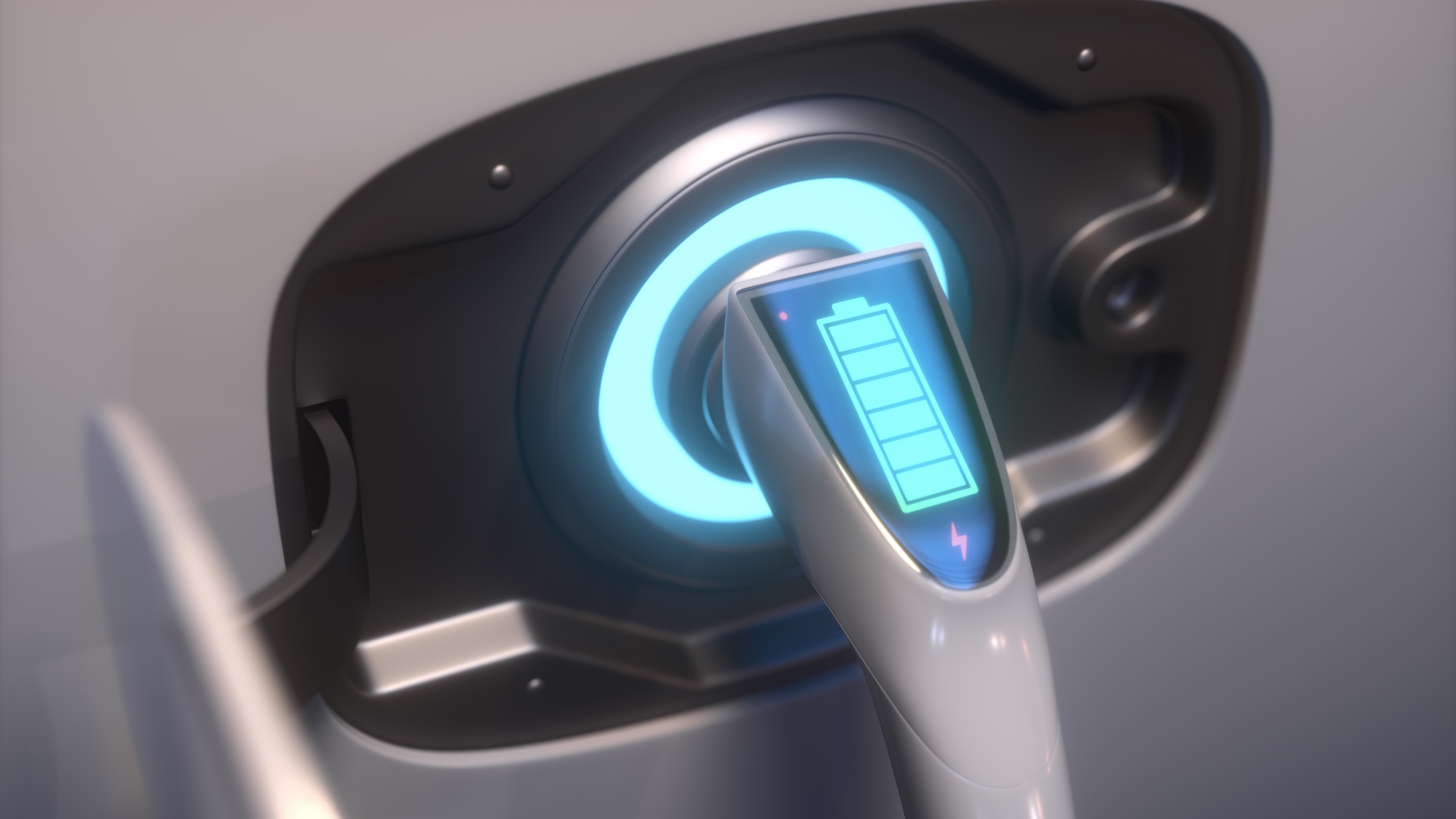
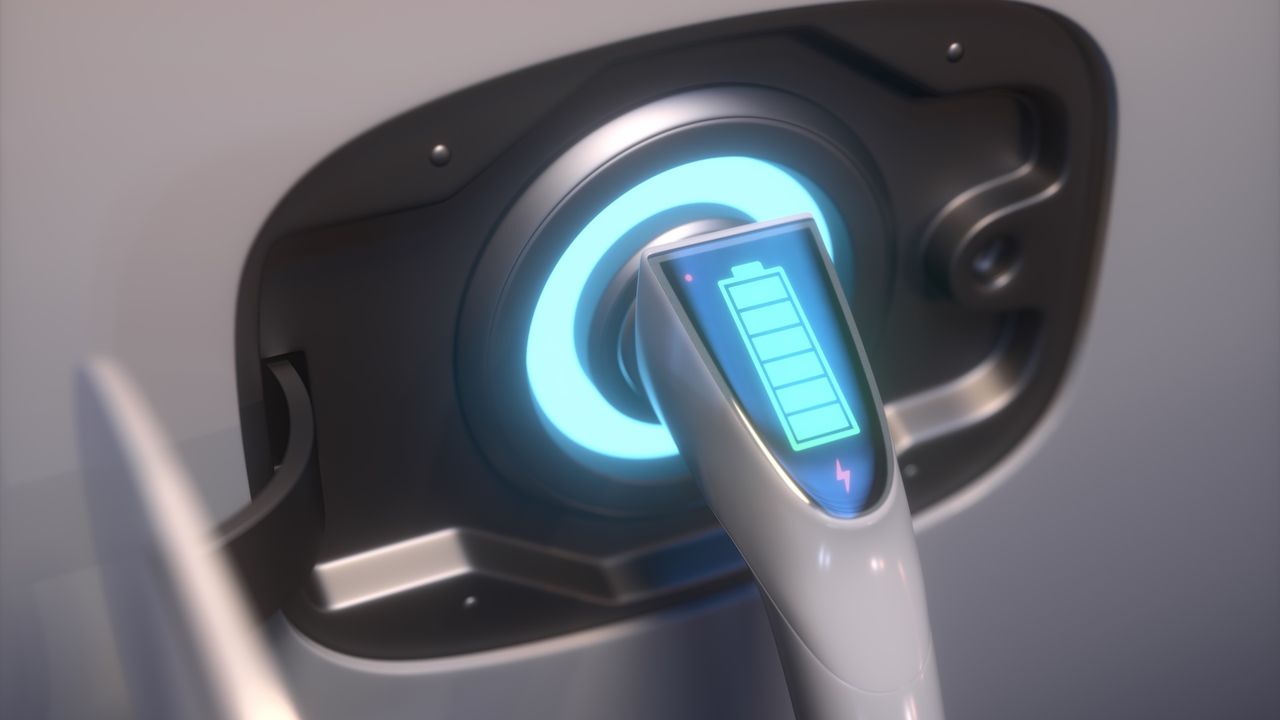
Scientists have used a neat chemistry trick to tackle a major challenge facing future batteries. Their breakthrough paves the way for next-generation electric vehicle (EV) batteries capable of powering 500-mile (800 kilometers) journeys on a single, 12-minute charge.

Lithium-metal batteries differ from standard lithium-ion batteries in that the graphite anode is replaced with lithium metal. These designs offer much higher energy density, the researchers said in a statement.

For EV drivers, this means batteries that charge faster and go farther. But scientists have been unable to build effective lithium-metal batteries due to “dendrites” — a branching, crystalline substance that grows on the anode during charging, eroding battery performance over time. This worsens during rapid charging and increases the risk of the battery short-circuiting.


You may like

But in a new study, published Sept. 3 in the journal Nature Energy, scientists have found a way to suspend dendrite growth.

The secret lies in a new type of liquid electrolyte. The “cohesion-inhibiting” liquid electrolyte suppresses dendrite growth, boosting the batteries’ rapid-charging capabilities and extending their lifespan to more than 185,000 miles (300,000 km), the researchers said.

Related: Meet the Chinese supercar that just smashed the EV speed record

Both lithium-ion and lithium metal batteries contain a liquid electrolyte, which transports lithium ions between the cathode and anode while the battery is charging and discharging. The difference, as mentioned, between the two types of battery is that the graphite in a lithium-ion battery is replaced with lithium metal.

Get the world’s most fascinating discoveries delivered straight to your inbox.

In battery physics, energy density refers to the amount of energy a battery can store relative to its weight or volume — a key factor in how far an electric vehicle can travel on a single charge.

The research team found that the underlying cause of dendrite formation was the “non-uniform interfacial cohesion on the surface of the lithium metal,” the researchers said in the statement. In other words, they realized that lithium ions don’t deposit evenly across the anode during charging, creating weak points where dendrites can start to form.

To solve this problem, they developed a liquid electrolyte that is chemically structured to help ensure ions are deposited more evenly across the anode surface — helping to stop them from clustering into dendrites.

In lab tests, the battery charged from 5% to 70% in 12 minutes and maintained that speed over 350 cycles. A higher-capacity version reached 80% charge in 17 minutes over 180 charging cycles, the scientists said.

“This research has become a key foundation for overcoming the technical challenges of lithium-metal batteries by understanding the interfacial structure,” study co-author Hee Tak Kim, professor of chemical and biomolecular engineering at the Korea Advanced Institute of Science and Technology (KAIST), said in the statement.

“It has overcome the biggest barrier to the introduction of lithium-metal batteries for electric vehicles.”

Source link

Share. Facebook Twitter Pinterest LinkedIn Tumblr Email
Previous ArticleStephen Colbert wins Emmy amid cancellation, says he never loved America more
Next Article ‘Hacks’ star Hannah Einbinder criticized ICE and shouted for ‘free Palestine’ in Emmy speech
Editor
  • Website

Related Posts

Lifestyle

PMOS (formerly PCOS): Symptoms, diagnosis and treatment

June 10, 2026
Lifestyle

2,000 years ago in Scotland, people removed a corpse’s brain and fashioned the arm bones into tools

June 10, 2026
Lifestyle

Scientists are fast-tracking 3 Ebola vaccines in hopes of shortening the outbreak — when could they be ready?

June 9, 2026
Add A Comment

Comments are closed.

Categories
  • Entertainment
  • Lifestyle
  • News
  • Sports
  • Tech
  • Travel
Recent Posts
  • PMOS (formerly PCOS): Symptoms, diagnosis and treatment
  • 2,000 years ago in Scotland, people removed a corpse’s brain and fashioned the arm bones into tools
  • Scientists are fast-tracking 3 Ebola vaccines in hopes of shortening the outbreak — when could they be ready?
  • 2 vanished ‘super Earths’ once orbited near Uranus and Neptune, new study hints
  • Ditch full of 7,000-year-old headless human skeletons discovered in Slovakia, baffling archaeologists
calendar
June 2026
M T W T F S S
1234567
891011121314
15161718192021
22232425262728
2930  
« May    
Recent Posts
  • PMOS (formerly PCOS): Symptoms, diagnosis and treatment
  • 2,000 years ago in Scotland, people removed a corpse’s brain and fashioned the arm bones into tools
  • Scientists are fast-tracking 3 Ebola vaccines in hopes of shortening the outbreak — when could they be ready?
About

Welcome to Baynard Media, your trusted source for a diverse range of news and insights. We are committed to delivering timely, reliable, and thought-provoking content that keeps you informed
and inspired

Categories
  • Entertainment
  • Lifestyle
  • News
  • Sports
  • Tech
  • Travel
Facebook X (Twitter) Pinterest WhatsApp
  • Contact Us
  • About Us
  • Privacy Policy
  • Disclaimer
  • UNSUBSCRIBE
© 2026 copyrights reserved

Type above and press Enter to search. Press Esc to cancel.