Close Menu
  • Home
  • UNSUBSCRIBE
  • News
  • Lifestyle
  • Tech
  • Entertainment
  • Sports
  • Travel
Facebook X (Twitter) WhatsApp
Trending
  • Scientists race to collect the last seeds from a critically endangered tree before it goes extinct
  • What’s the deepest cave in the world?
  • ‘Crystals’ of space-time could be the origins of certain rare black holes, theoretical study hints
  • AI could consume up 3% of world’s electricity the UN warns
  • Kaleidoscopic meteorite could be a piece of a ‘lost world’ from the early solar system — Space photo of the week
  • Some ‘extinct’ volcanoes may just be going through a growth spurt, before they ‘wake up in this catastrophic stage,’ emerging research suggests
  • Jupiter and Venus conjunction 2026: See two bright planets at the same time this weekend
  • Flu drugs might fight cognitive decline seen in HIV, early study hints
Facebook X (Twitter) WhatsApp
Baynard Media
  • Home
  • UNSUBSCRIBE
  • News
  • Lifestyle
  • Tech
  • Entertainment
  • Sports
  • Travel
Baynard Media
Home»Lifestyle»New cells discovered in eye could help restore vision, scientists say
Lifestyle

New cells discovered in eye could help restore vision, scientists say

EditorBy EditorMarch 28, 2025No Comments3 Mins Read
Share Facebook Twitter Pinterest LinkedIn Tumblr Reddit Telegram Email
Share
Facebook Twitter LinkedIn Pinterest Email

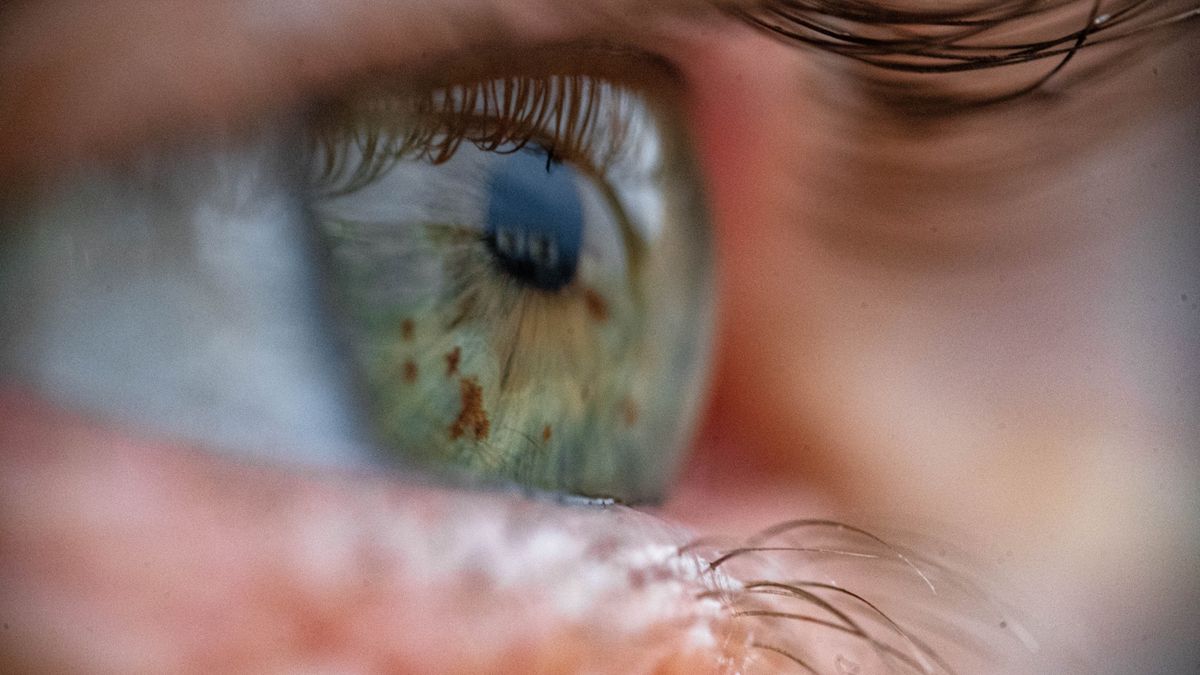
Scientists have identified never-before-seen cells in the human eye that could potentially help reverse vision loss caused by common diseases, such as macular degeneration.

The researchers discovered the cells in the retina, a light-sensitive structure at the back of the eye that is vital for vision. The cells were found in donated samples of fetal tissue.

The scientists also identified the same cells in lab-grown models of the human retina — and when they tried transplanting those models into mice with a common eye disorder, it restored the rodents’ vision.

“This research not only deepens our understanding of retinal biology but also holds immense potential for advancing therapeutic interventions in RD [retinal degeneration] diseases,” the researchers wrote in a paper describing the findings, which was published March 26 in the journal Science Translational Medicine.

Related: Scientists restore monkey’s vision with a patch made from human stem cells

The retina detects light and converts it into signals that the brain can then interpret to determine what we’re seeing. Deterioration of the retina is a leading cause of blindness worldwide. It can be triggered by many things, including aging, diabetes and physical injury, and the degeneration can lead to common eye diseases, such as macular degeneration and retinitis pigmentosa.

Current treatments for these conditions focus mainly on reducing the rate at which retinal cells deteriorate, and protecting those that are still healthy. However, there are currently no effective therapies that promote repair of the retina, which would effectively reverse the deterioration.

Get the world’s most fascinating discoveries delivered straight to your inbox.

A potential solution is to replace deteriorated cells with stem cells — cells that can mature to become any type of cell in the body under the right conditions. Yet, until now, scientists haven’t found suitable stem cells in the human retina to achieve this, the authors of the new study wrote.

In the new research, the team analyzed the activity of cells in the fetal retinal samples in the lab. The scientists discovered two types of retinal stem cells with promising regenerative properties: human neural retinal stem-like cells (hNRSCs) and retinal pigment epithelium (RPE) stem-like cells.

An image of a tissue stain of the fetal retina showing the stem cells within it.

This image shows retinal stem cells in dyed tissue from human fetuses. (Image credit: Jianzhong Su, State Key Laboratory of Eye Health, Eye Hospital, Wenzhou Medical University)

The researchers found that both types of cells, which were located in the outer edge of the retina, could clone themselves. However, only hNRSCs could turn into other types of retinal cells under the right conditions.

In a separate experiment, the researchers grew miniature replicas of the human retina in petri dishes. These 3D tissue models, known as organoids, better mimic the unique complexities of human organs than traditional animal models do.

An analysis of the cells within these organoids revealed that they contained hNRSCs similar to those found in the fetal tissue samples. The team also identified specific molecular chains of events that turned the stem cells into other retinal cells and regulated the repair process.

When transplanted into the retina of mice with a disease similar to retinitis pigmentosa, the stem cells from the organoids turned into the retinal cells needed to detect and process light signals. These new retinal cells ultimately improved the vision of the mice, compared with rodents that didn’t receive any transplanted cells. This effect was seen for the duration of the experiment, up to 24 weeks.

Taken together, these early findings suggest that hNRSCs could be used to develop new treatments for retinal eye disorders in humans. But more research will be needed to confirm the potential of these cells for restoring the vision of human beings.

Source link

Share. Facebook Twitter Pinterest LinkedIn Tumblr Email
Previous ArticleYolanda Saldívar, the woman convicted of killing Selena, is denied parole
Next Article Trump privately angry with national security adviser over group chat
Editor
  • Website

Related Posts

Lifestyle

Scientists race to collect the last seeds from a critically endangered tree before it goes extinct

June 8, 2026
Lifestyle

What’s the deepest cave in the world?

June 7, 2026
Lifestyle

‘Crystals’ of space-time could be the origins of certain rare black holes, theoretical study hints

June 7, 2026
Add A Comment

Comments are closed.

Categories
  • Entertainment
  • Lifestyle
  • News
  • Sports
  • Tech
  • Travel
Recent Posts
  • Scientists race to collect the last seeds from a critically endangered tree before it goes extinct
  • What’s the deepest cave in the world?
  • ‘Crystals’ of space-time could be the origins of certain rare black holes, theoretical study hints
  • AI could consume up 3% of world’s electricity the UN warns
  • Kaleidoscopic meteorite could be a piece of a ‘lost world’ from the early solar system — Space photo of the week
calendar
June 2026
M T W T F S S
1234567
891011121314
15161718192021
22232425262728
2930  
« May    
Recent Posts
  • Scientists race to collect the last seeds from a critically endangered tree before it goes extinct
  • What’s the deepest cave in the world?
  • ‘Crystals’ of space-time could be the origins of certain rare black holes, theoretical study hints
About

Welcome to Baynard Media, your trusted source for a diverse range of news and insights. We are committed to delivering timely, reliable, and thought-provoking content that keeps you informed
and inspired

Categories
  • Entertainment
  • Lifestyle
  • News
  • Sports
  • Tech
  • Travel
Facebook X (Twitter) Pinterest WhatsApp
  • Contact Us
  • About Us
  • Privacy Policy
  • Disclaimer
  • UNSUBSCRIBE
© 2026 copyrights reserved

Type above and press Enter to search. Press Esc to cancel.