Close Menu
  • Home
  • UNSUBSCRIBE
  • News
  • Lifestyle
  • Tech
  • Entertainment
  • Sports
  • Travel
Facebook X (Twitter) WhatsApp
Trending
  • NASA satellite captures wave of warm water hundreds of miles long that signals a devastatingly strong El Niño
  • 9 of the best technology conspiracy theories
  • Bizarre ‘bull’s-eye’ cloud rings appear above erupting volcano on Atlantic island — Earth from space
  • IBD is caused by a broken ‘inflammation brake’ in some patients
  • Hanging lamp in the form of a sandaled right foot: A 1,600-year-old bronze lamp with multilayered Christian symbolism
  • Never-before-seen shark that ‘walks’ on land discovered off Papua New Guinea
  • Diagnostic dilemma: Woman’s infertility may have been caused by rare semen allergy
  • James Webb telescope detects ‘galaxy-killing wind’ near the dawn of time
Facebook X (Twitter) WhatsApp
Baynard Media
  • Home
  • UNSUBSCRIBE
  • News
  • Lifestyle
  • Tech
  • Entertainment
  • Sports
  • Travel
Baynard Media
Home»Lifestyle»NASA warns of potential ‘catastrophic failure’ on leaking ISS — but Russia doesn’t want to fix it
Lifestyle

NASA warns of potential ‘catastrophic failure’ on leaking ISS — but Russia doesn’t want to fix it

EditorBy EditorNovember 23, 2024No Comments3 Mins Read
Share Facebook Twitter Pinterest LinkedIn Tumblr Reddit Telegram Email
Share
Facebook Twitter LinkedIn Pinterest Email

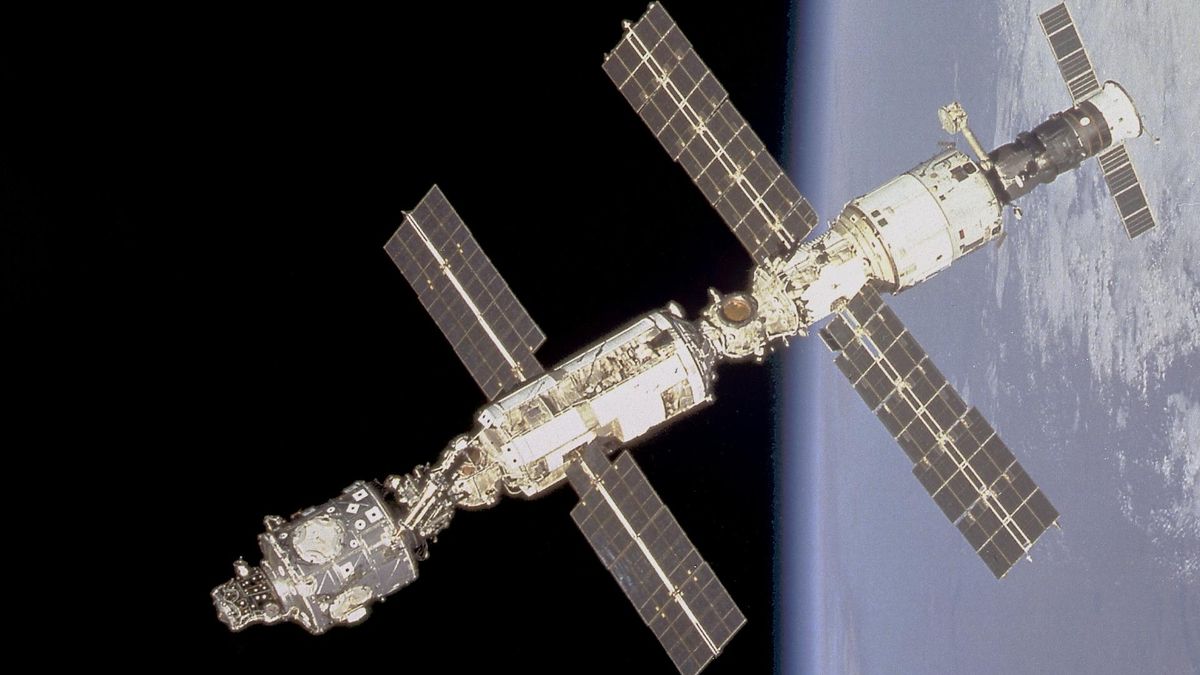
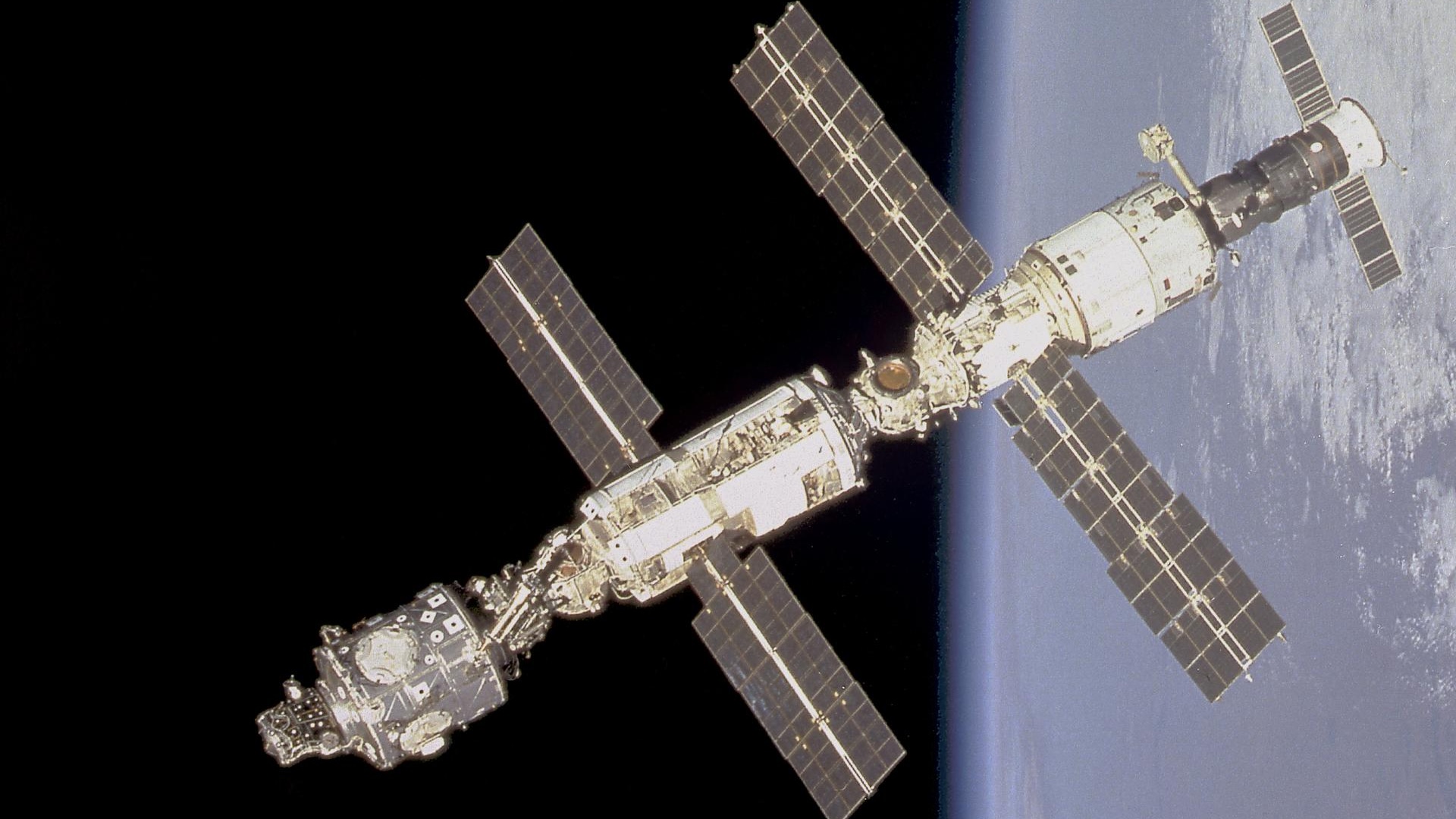
The International Space Station (ISS) is leaking — and major space agencies are divided over what to do about it.

The leak is located in a Russian segment of the station known as a PrK module, which connects Russia’s Zvezda service module to the space station’s main body. NASA and Russian space agency Roscosmos have known about the leak since at least 2019, but its underlying cause remains a mystery. Since its discovery, cosmonauts have taken various steps to minimize its impact, including sealing off the segment when it is not in use. But Roscosmos and NASA now disagree about the leak’s severity.

According to a recent NASA report, the leak has intensified to the point where it poses a risk to the ISS’s goal of operating until 2030. What’s more, some NASA officials believe it could lead to “a catastrophic failure” of the station, Bob Cabana, the chair of the agency’s ISS Advisory Committee, said during a public meeting.

However, Russian space officials have downplayed the severity of the leak, insisting that it will not jeopardize future ISS operations, according to CNN.

The ISS has been continuously occupied since November 2000. Most of its infrastructure is a quarter-century old, and it is possible that years of mechanical stress have caused tiny fissures to form in the walls of certain sections. Additional stress from colliding with small pieces of debris and micrometeors could also have contributed to the perforation.

Related: NASA offers SpaceX $843 million to destroy the International Space Station

NASA and Roscosmos have agreed to seal off the leaky segment if the rate of air loss becomes “untenable.” But they have not yet reached a consensus on what, exactly, qualifies as an untenable rate. Currently, air is escaping at a rate of around 2 to 2.5 pounds (0.9 to 1.1 kilograms) per day above the space station’s equilibrium, according to NASA. In April, it briefly spiked to 3.7 pounds per day (1.7 kg); if left unchecked, it could spike again.

Get the world’s most fascinating discoveries delivered straight to your inbox.

The agencies are reportedly working closely with one another to monitor the situation as it unfolds. And NASA plans to add an extra seat — called a “pallet seat” — aboard future SpaceX Crew Dragon spacecraft in case any astronauts need to evacuate.

“The station is not young,” NASA astronaut Michael Barratt said during a news briefing. “We will expect to see more wear and tear in various other places.”

The space station is expected to operate through to 2030, after which it will be deorbited into Earth’s atmosphere for a fiery farewell. NASA currently has no plans to build a replacement for the ISS and instead will focus on crewed missions to the moon and Mars, according to the agency.

Source link

Share. Facebook Twitter Pinterest LinkedIn Tumblr Email
Previous ArticleSean Hannity: Democrats were in shock after Trump won
Next Article Echo vs. Echo Dot: Which Alexa device should you buy during Black Friday?
Editor
  • Website

Related Posts

Lifestyle

NASA satellite captures wave of warm water hundreds of miles long that signals a devastatingly strong El Niño

June 23, 2026
Lifestyle

9 of the best technology conspiracy theories

June 23, 2026
Lifestyle

Bizarre ‘bull’s-eye’ cloud rings appear above erupting volcano on Atlantic island — Earth from space

June 23, 2026
Add A Comment

Comments are closed.

Categories
  • Entertainment
  • Lifestyle
  • News
  • Sports
  • Tech
  • Travel
Recent Posts
  • NASA satellite captures wave of warm water hundreds of miles long that signals a devastatingly strong El Niño
  • 9 of the best technology conspiracy theories
  • Bizarre ‘bull’s-eye’ cloud rings appear above erupting volcano on Atlantic island — Earth from space
  • IBD is caused by a broken ‘inflammation brake’ in some patients
  • Hanging lamp in the form of a sandaled right foot: A 1,600-year-old bronze lamp with multilayered Christian symbolism
calendar
June 2026
M T W T F S S
1234567
891011121314
15161718192021
22232425262728
2930  
« May    
Recent Posts
  • NASA satellite captures wave of warm water hundreds of miles long that signals a devastatingly strong El Niño
  • 9 of the best technology conspiracy theories
  • Bizarre ‘bull’s-eye’ cloud rings appear above erupting volcano on Atlantic island — Earth from space
About

Welcome to Baynard Media, your trusted source for a diverse range of news and insights. We are committed to delivering timely, reliable, and thought-provoking content that keeps you informed
and inspired

Categories
  • Entertainment
  • Lifestyle
  • News
  • Sports
  • Tech
  • Travel
Facebook X (Twitter) Pinterest WhatsApp
  • Contact Us
  • About Us
  • Privacy Policy
  • Disclaimer
  • UNSUBSCRIBE
© 2026 copyrights reserved

Type above and press Enter to search. Press Esc to cancel.