

NASA has added SpaceX‘s giant Starship rocket to a major commercial contract, putting the world’s most powerful launch vehicle in contention for future missions — even though the shiny spacecraft keeps exploding in mid-air, and has yet to deliver a single payload into space.
On March 28, the American space agency announced that Starship was being added to the NASA Launch Services (NLS) II contract, which lists all the privately built spacecraft that can be considered for future missions. Starship is the 10th rocket to be added to the contract, which also includes SpaceX’s Super Heavy and Falcon 9. Other listed rockets include United Launch Alliance’s new Vulcan Centaur and Northrop Grumman’s Pegasus XL, which has been used by NASA since the early 1990s.
The contract does not guarantee Starship’s use in any NASA missions. However, there is also no upper limit on how many times each rocket in the contract can be selected for missions between now and the end of the contract’s current lifespan in December 2032.
The launch vehicles listed in the NLS II contract are separated into three groups based on how they have performed in the past: Category 1 (high risk), Category 2 (medium risk) and Category 3 (low risk), with Category 3 rockets the most likely to be used in missions.
It is unclear which category Starship will be put in. However, Blue Origin’s New Glenn rocket, which was the most recent rocket to be added to the NLS II, was initially listed in Category 1, despite successfully making it to orbit on the first attempt in January. This suggests that Starship will likely be put in the same bracket, according to Space News.
Related: SpaceX rockets keep tearing blood-red ‘atmospheric holes’ in the sky, and scientists are concerned

SpaceX aims to have Starship operational in time for the third Artemis mission, currently slated for mid-2027, which will put humans back on the moon for the first time since 1972. However, the initial test flights may raise questions about that timeline.
The company’s CEO Elon Musk has repeatedly expressed a strong desire to use Starship to send humans to Mars.
Musk’s plans to expand Starbase — a spaceport in Texas dedicated to future Starship production and launches — in addition to his close ties to the Trump administration and incoming NASA administrator Jared Isaacman, may have influenced the decision to include Starship in NLS II despite its recent issues, Futurism reported.
Explosive tests
Starship is the world’s tallest rocket, standing 403 feet (123 meters) tall when perched upright on a launchpad. It is made up of two stages, both of which are designed to be reusable, in a similar way to SpaceX’s Falcon 9 rockets. To date, Starship has been launched eight times, with varying degrees of success.
The first test launch was carried out in April 2023. The rocket exploded around four minutes after liftoff, when engine failures caused it to go into an uncontrollable spin. Launch controllers then intentionally detonated the craft to prevent it from crashing back to the surface. However, the self-destruction took longer than expected and, as a result, large amounts of debris rained down on the area surrounding the launchpad, triggering a federal investigation and angering environmental groups.
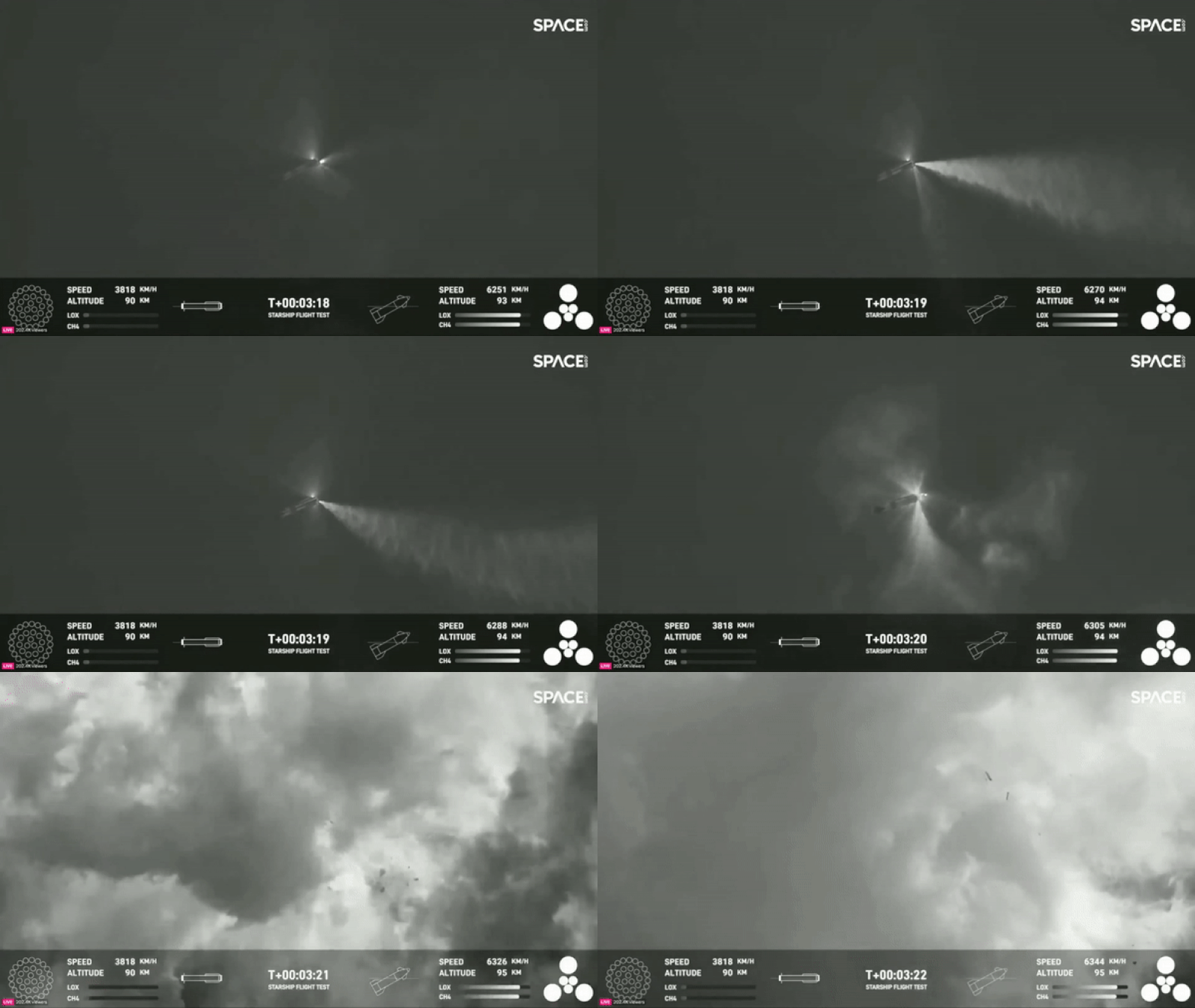
During the second test, in November 2023, two different parts of the rocket exploded. First when the rocket’s booster unexpectedly detonated shortly after separation, and again when the upper stage underwent a “rapid unscheduled disassembly.” The latter punched a temporary hole in the upper atmosphere, studies later revealed.
Nothing exploded during the third test launch. However, SpaceX lost control of the rocket shortly after it entered suborbital flight, and it crashed back to Earth at an unknown location in the Indian Ocean. The next three test flights were less eventful, although none of the rockets’ upper stages reached low-Earth orbit before crashing back into the same ocean.
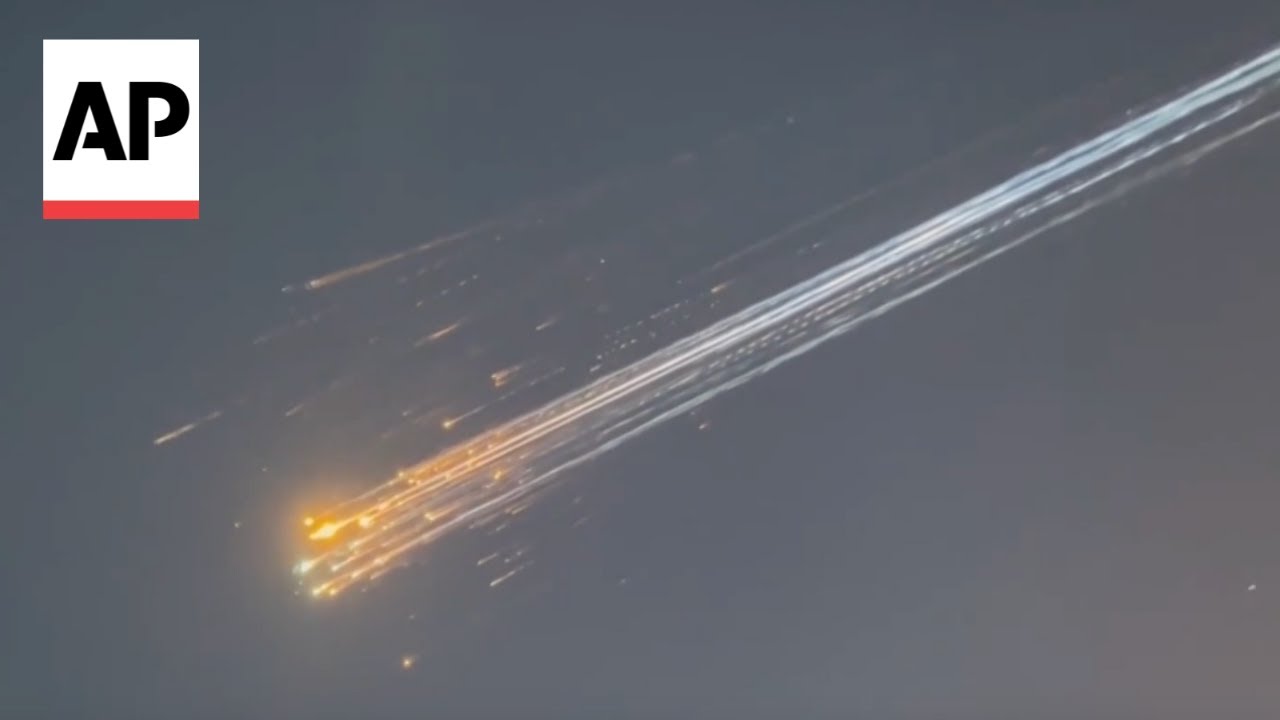
However, this year, Starship experienced back-to-back explosions during the seventh test flight on Jan. 16 and the eighth test flight on March 6. The former was arguably the most impressive detonation yet, creating a spectacular fireball above the Caribbean and littering several islands with shrapnel, while also releasing large amounts of atmospheric pollution.
Despite the setbacks, the tests have yielded some positive results. For example, during the fourth, fifth and sixth test flights, SpaceX was able to land the rocket’s first stage by catching it with robotic arms, like a pair of giant chopsticks. Every failed test also produces data that is useful to the scientists building the next iteration of the rocket.
The next test flight is scheduled for later this month, although the exact date is yet to be announced.
