Close Menu
  • Home
  • UNSUBSCRIBE
  • News
  • Lifestyle
  • Tech
  • Entertainment
  • Sports
  • Travel
Facebook X (Twitter) WhatsApp
Trending
  • New robotic heart mimics common, mysterious condition to help researchers study it
  • Canon EOS R6 III review: A wildlife wonder
  • Medieval babies and adults buried together in Sweden were not related, archaeologists discover — raising big questions about early Christian burial practices
  • NASA is creating a fifth state of matter on the ISS, thanks to an upgrade to a mini-fridge-sized quantum lab
  • New sodium metal battery design charges in just 4 minutes and retains its capacity for years
  • Quantum computing wielded to create extremely rare material critical to nuclear fusion
  • Scientists build tiny ‘diving suit’ for cockroaches, turning them into search-and-rescue cyborgs
  • Physicists develop the first working model of quantum mechanics using only ‘real’ numbers
Facebook X (Twitter) WhatsApp
Baynard Media
  • Home
  • UNSUBSCRIBE
  • News
  • Lifestyle
  • Tech
  • Entertainment
  • Sports
  • Travel
Baynard Media
Home»Lifestyle»Moon, Mars, and meteors: Why July 28 is the best night for skywatching all summer
Lifestyle

Moon, Mars, and meteors: Why July 28 is the best night for skywatching all summer

EditorBy EditorJuly 25, 2025No Comments3 Mins Read
Share Facebook Twitter Pinterest LinkedIn Tumblr Reddit Telegram Email
Share
Facebook Twitter LinkedIn Pinterest Email

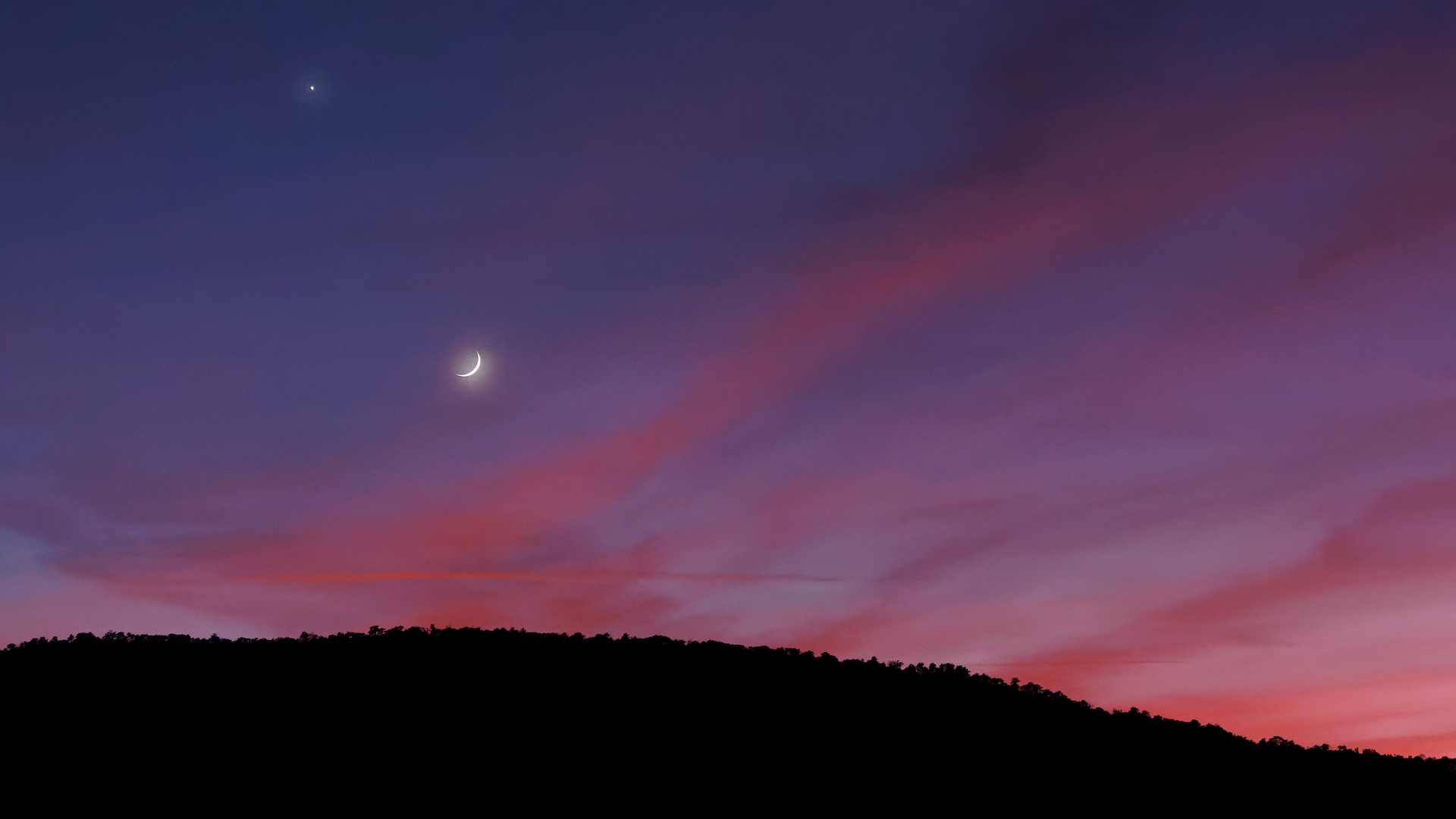
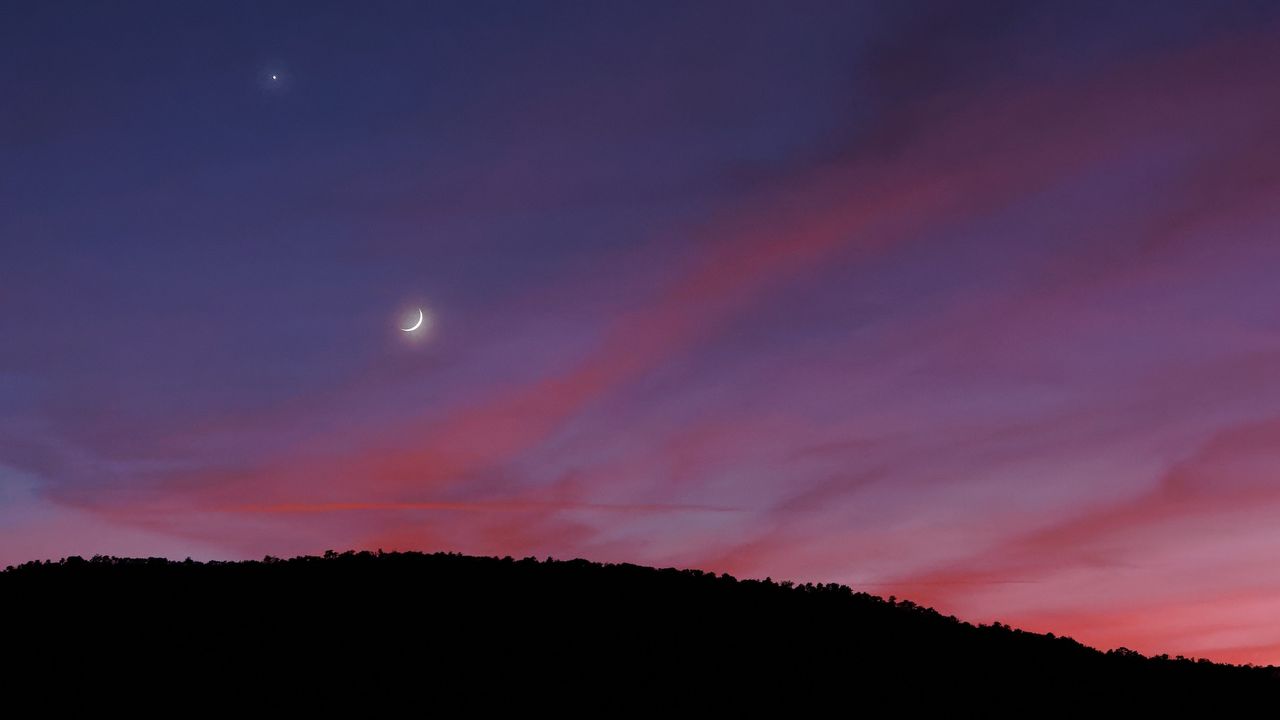
A beautiful crescent moon will appear close to Mars after dark on Monday, July 28. The dancing duo will make their debut about 45 minutes after sunset and will be visible from across the world — just as several meteor showers approach their peaks.

The conjunction between the 19%-illuminated waxing crescent moon and the Red Planet will take place above due west, making it visible to most people, although a park or open field will provide a better view. The gap between the moon and Mars will be about 1 degree — roughly the width of your little finger held at arm’s length.

Mars is well past its brightest point this year, but it remains a distinct, reddish dot in the twilight sky. The moon, meanwhile, will show Earthshine, a ghostly illumination of its night side caused by sunlight reflecting off Earth.


You may like

The spectacular sight of two of the brightest objects in the solar system alongside each other will come as meteor showers are beginning to dominate the sky. The peak of the Piscis Austrinid meteor shower will be in the early hours of July 28, when up to five meteors per hour will be visible under dark, clear skies. That makes it a minor affair, but it’s just one of four meteor showers approaching their peak.

Overnight on July 29-30 will be the peak of the Delta Aquariid and Alpha Capricornid meteor showers. While the former’s peak is known to be broad, up to 20 shooting stars per hour are possible. The latter adds another five per hour.

As a bonus, the crescent moon — together with Mars — will set a couple of hours after sunset, leaving the night skies dark and free of moonlight.

As if that weren’t enough, the Perseids — the year’s most prolific meteor shower — are arguably best viewed in late July. That’s because its peak night, Aug. 12-13, will be marred by a bright moon. August’s full Sturgeon Moon occurs on Saturday, Aug. 9, and on the peak night, an 84%-illuminated moon will shine brightly all night, making faint meteors hard to see.

Get the world’s most fascinating discoveries delivered straight to your inbox.

All of this makes July 28 arguably one of the best evenings for seeing “shooting stars” this summer. The best views will be from locations with low levels of light pollution, such as a Dark Sky Place or an area that appears dark on a light pollution map. Check local weather forecasts, allow your eyes to adjust to the darkness for at least 20 minutes, and avoid looking at smartphone screens or other artificial lights.

Source link

Share. Facebook Twitter Pinterest LinkedIn Tumblr Email
Previous ArticleUS-Mexico deal to resolve Tijuana River sewage crisis announced by EPA
Next Article DOJ Meets With Ghislaine Maxwell as Epstein Scrutiny Intensifies
Editor
  • Website

Related Posts

Lifestyle

New robotic heart mimics common, mysterious condition to help researchers study it

July 11, 2026
Lifestyle

Canon EOS R6 III review: A wildlife wonder

July 10, 2026
Lifestyle

Medieval babies and adults buried together in Sweden were not related, archaeologists discover — raising big questions about early Christian burial practices

July 10, 2026
Add A Comment

Comments are closed.

Categories
  • Entertainment
  • Lifestyle
  • News
  • Sports
  • Tech
  • Travel
Recent Posts
  • New robotic heart mimics common, mysterious condition to help researchers study it
  • Canon EOS R6 III review: A wildlife wonder
  • Medieval babies and adults buried together in Sweden were not related, archaeologists discover — raising big questions about early Christian burial practices
  • NASA is creating a fifth state of matter on the ISS, thanks to an upgrade to a mini-fridge-sized quantum lab
  • New sodium metal battery design charges in just 4 minutes and retains its capacity for years
calendar
July 2026
M T W T F S S
 12345
6789101112
13141516171819
20212223242526
2728293031  
« Jun    
Recent Posts
  • New robotic heart mimics common, mysterious condition to help researchers study it
  • Canon EOS R6 III review: A wildlife wonder
  • Medieval babies and adults buried together in Sweden were not related, archaeologists discover — raising big questions about early Christian burial practices
About

Welcome to Baynard Media, your trusted source for a diverse range of news and insights. We are committed to delivering timely, reliable, and thought-provoking content that keeps you informed
and inspired

Categories
  • Entertainment
  • Lifestyle
  • News
  • Sports
  • Tech
  • Travel
Facebook X (Twitter) Pinterest WhatsApp
  • Contact Us
  • About Us
  • Privacy Policy
  • Disclaimer
  • UNSUBSCRIBE
© 2026 copyrights reserved

Type above and press Enter to search. Press Esc to cancel.