Close Menu
  • Home
  • UNSUBSCRIBE
  • News
  • Lifestyle
  • Tech
  • Entertainment
  • Sports
  • Travel
Facebook X (Twitter) WhatsApp
Trending
  • Arthritis drug shows antiviral effects against RSV, the leading cause of infant hospitalization
  • Daddy longlegs may be capturing and devouring frogs in the tropical forests of South America
  • Google wants to release 64 million bacteria-riddled mosquitoes across California and Florida. Here’s why scientists are enthusiastic.
  • ‘In an unrecoverable state’: NASA confirms MAVEN spacecraft is officially dead after loss of signal behind Mars
  • 2 rivers merged to form the Euphrates 3.6 million years ago, eventually leading to the Fertile Crescent
  • NASA confirms fireball meteor exploded over northeastern US with force of 230 tons of TNT
  • Astronauts could use lightning-like plasma jets to kill germs on the moon and Mars, demo hints
  • First whole-genome sequence of a Greenland shark holds clues to their extreme longevity
Facebook X (Twitter) WhatsApp
Baynard Media
  • Home
  • UNSUBSCRIBE
  • News
  • Lifestyle
  • Tech
  • Entertainment
  • Sports
  • Travel
Baynard Media
Home»Lifestyle»Healthy breast cells can look like invasive cancer, complicating early diagnosis
Lifestyle

Healthy breast cells can look like invasive cancer, complicating early diagnosis

EditorBy EditorJanuary 2, 2025No Comments4 Mins Read
Share Facebook Twitter Pinterest LinkedIn Tumblr Reddit Telegram Email
Share
Facebook Twitter LinkedIn Pinterest Email

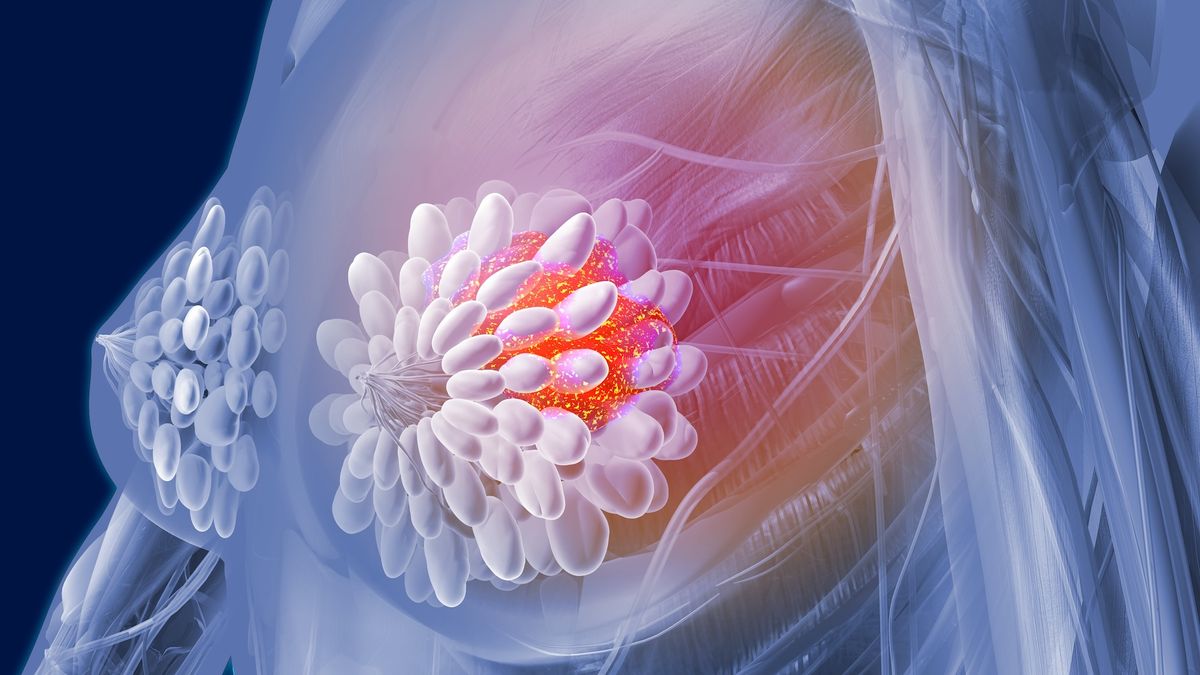
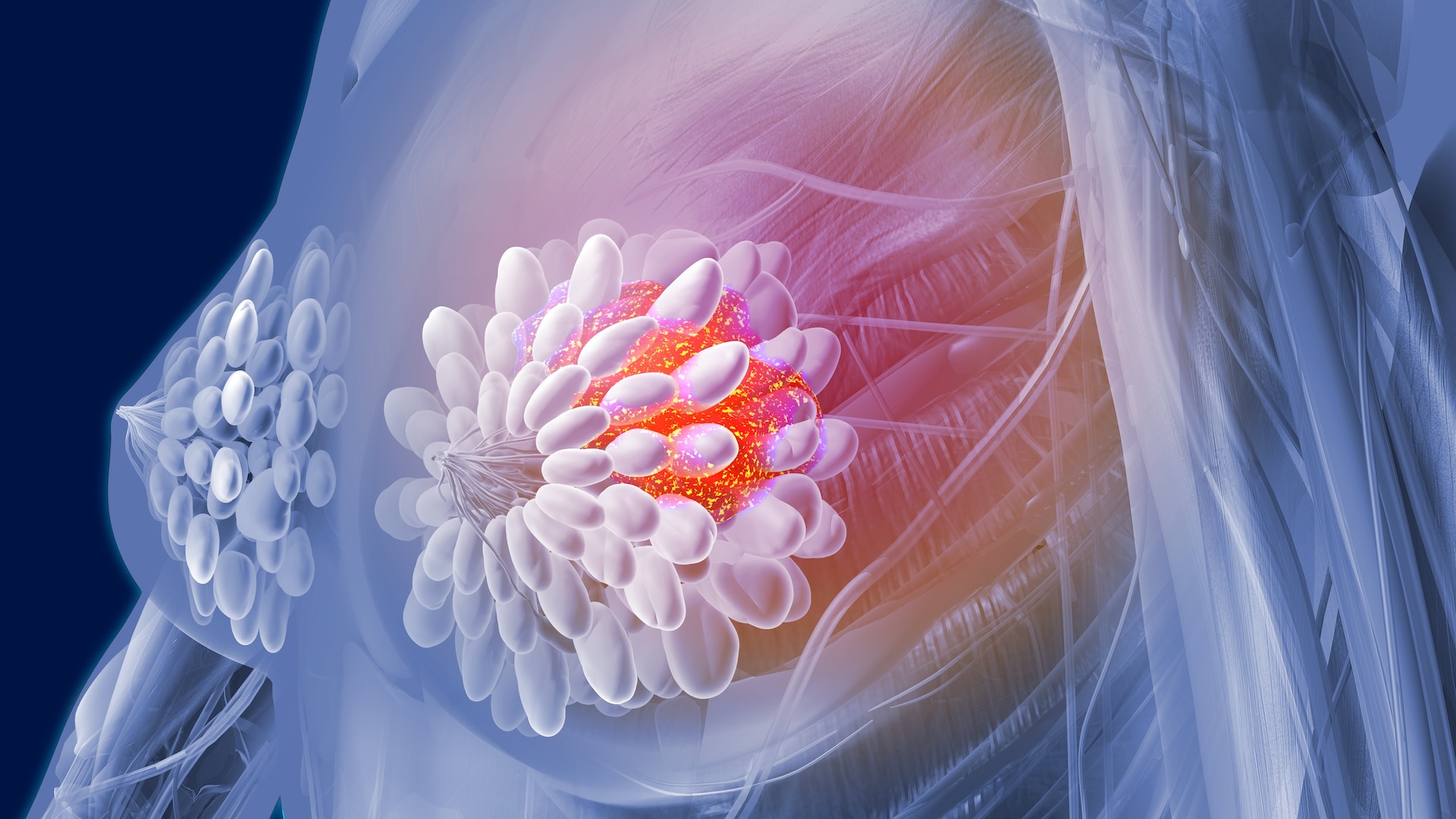
Most cancer cells have too many or too few chromosomes, distinguishing them from normal cells. But a new study shows that healthy breast tissues can also have cells with unusual copies of chromosomes.

The finding challenges how scientists classify cancerous cells and could influence how early breast cancer is identified in the future.

Each cell in the human body has 23 pairs of chromosomes — half inherited from the mother and half from the father. During cell division, each cell makes copies of these chromosomes to pass down to two daughter cells. But on rare occasions, such as during tumor development, this process may be derailed, resulting in an extra or missing copy — known as aneuploidy.

Related: Doctors no longer recommend ‘self-checks’ for breast cancer

Research has shown that about 9 in 10 solid tumors harbor some aneuploidy. However, aneuploidy in healthy cells was considered rare, and hence it was thought to be a valuable marker for screening for cancer. So scientists have begun developing screening methods that test for aneuploidy in patients’ blood and tissue samples. However, the approach has not been widely used in the clinic.

In the new study, published Nov. 20 in the journal Nature, scientists found that about 3% of the cells in the inner lining of a healthy breast, known as breast epithelial cells, are aneuploid. More than 80% of these aneuploid cells had changes in their DNA structure that may alter gene expression — how genes are switched on or off — and lead to diseases, such as invasive cancer.

“This was very unexpected,” study co-author Nicholas Navin, a professor at the University of Texas’ MD Anderson Cancer Center, told Live Science in an email. “We would have classified these cells as having invasive breast cancer based on these [DNA] aberrations.”

Get the world’s most fascinating discoveries delivered straight to your inbox.

Navin and his team analyzed more than 83,000 breast epithelial cells from 49 healthy women who had undergone breast reduction surgery and did not have cancer. They profiled the genetic makeup of these women and then used another test, called the assay for transposase-accessible chromatin sequencing (ATAC-seq), to look for any genetic anomalies characteristic of an invasive cancer.

To their surprise, the researchers found that some healthy breast epithelial cells contained changes similar to ones seen in cancer cells. For example, one healthy woman had 70 cells with extra copies of chromosome 1 and 73, as well as missing copies of chromosome 16.

The most frequent chromosome changes in these healthy women were extra copies in chromosome 1, and losses of chromosomes 16, 10 and 22, which scientists consider the hallmarks of an invasive cancer. These changes are often associated with distinct types of cells in the milk ducts that lead to different breast cancers. For example, losses of chromosomes 16 and 22 are often associated with breast cancers that are brought on by levels of the hormone estrogen, also known as estrogen-receptor (ER)-positive breast cancer. A loss of chromosome 10, meanwhile, is associated with ER-negative breast cancer.

“We did not expect to find these chromosomal events in normal breast tissues,” Navin said. The loss of chromosome 16 has been used to identify invasive breast cancer.

It’s not clear yet whether the women in the study will develop breast cancer. Now, “the question is whether women with higher frequencies of aneuploid epithelial cells or CNA (copy number alteration) events are at higher risk for developing breast cancer,” Navin said.

The discovery also led the scientists to speculate that distinct types of breast cancers could originate from certain healthy cells in the female breast.

Navin and his team are now investigating whether aneuploidy could be used to identify tissue in healthy women that are more likely to develop tumors.

This article is for informational purposes only and is not meant to offer medical advice.

Source link

Share. Facebook Twitter Pinterest LinkedIn Tumblr Email
Previous Article'He reels it in on the biggest stage of all!' | Dobey lands the Big Fish in semis
Next Article Best earbuds deals: Save up to 68% on fitness earbuds
Editor
  • Website

Related Posts

Lifestyle

Arthritis drug shows antiviral effects against RSV, the leading cause of infant hospitalization

June 4, 2026
Lifestyle

Daddy longlegs may be capturing and devouring frogs in the tropical forests of South America

June 3, 2026
Lifestyle

Google wants to release 64 million bacteria-riddled mosquitoes across California and Florida. Here’s why scientists are enthusiastic.

June 3, 2026
Add A Comment

Comments are closed.

Categories
  • Entertainment
  • Lifestyle
  • News
  • Sports
  • Tech
  • Travel
Recent Posts
  • Arthritis drug shows antiviral effects against RSV, the leading cause of infant hospitalization
  • Daddy longlegs may be capturing and devouring frogs in the tropical forests of South America
  • Google wants to release 64 million bacteria-riddled mosquitoes across California and Florida. Here’s why scientists are enthusiastic.
  • ‘In an unrecoverable state’: NASA confirms MAVEN spacecraft is officially dead after loss of signal behind Mars
  • 2 rivers merged to form the Euphrates 3.6 million years ago, eventually leading to the Fertile Crescent
calendar
June 2026
M T W T F S S
1234567
891011121314
15161718192021
22232425262728
2930  
« May    
Recent Posts
  • Arthritis drug shows antiviral effects against RSV, the leading cause of infant hospitalization
  • Daddy longlegs may be capturing and devouring frogs in the tropical forests of South America
  • Google wants to release 64 million bacteria-riddled mosquitoes across California and Florida. Here’s why scientists are enthusiastic.
About

Welcome to Baynard Media, your trusted source for a diverse range of news and insights. We are committed to delivering timely, reliable, and thought-provoking content that keeps you informed
and inspired

Categories
  • Entertainment
  • Lifestyle
  • News
  • Sports
  • Tech
  • Travel
Facebook X (Twitter) Pinterest WhatsApp
  • Contact Us
  • About Us
  • Privacy Policy
  • Disclaimer
  • UNSUBSCRIBE
© 2026 copyrights reserved

Type above and press Enter to search. Press Esc to cancel.