
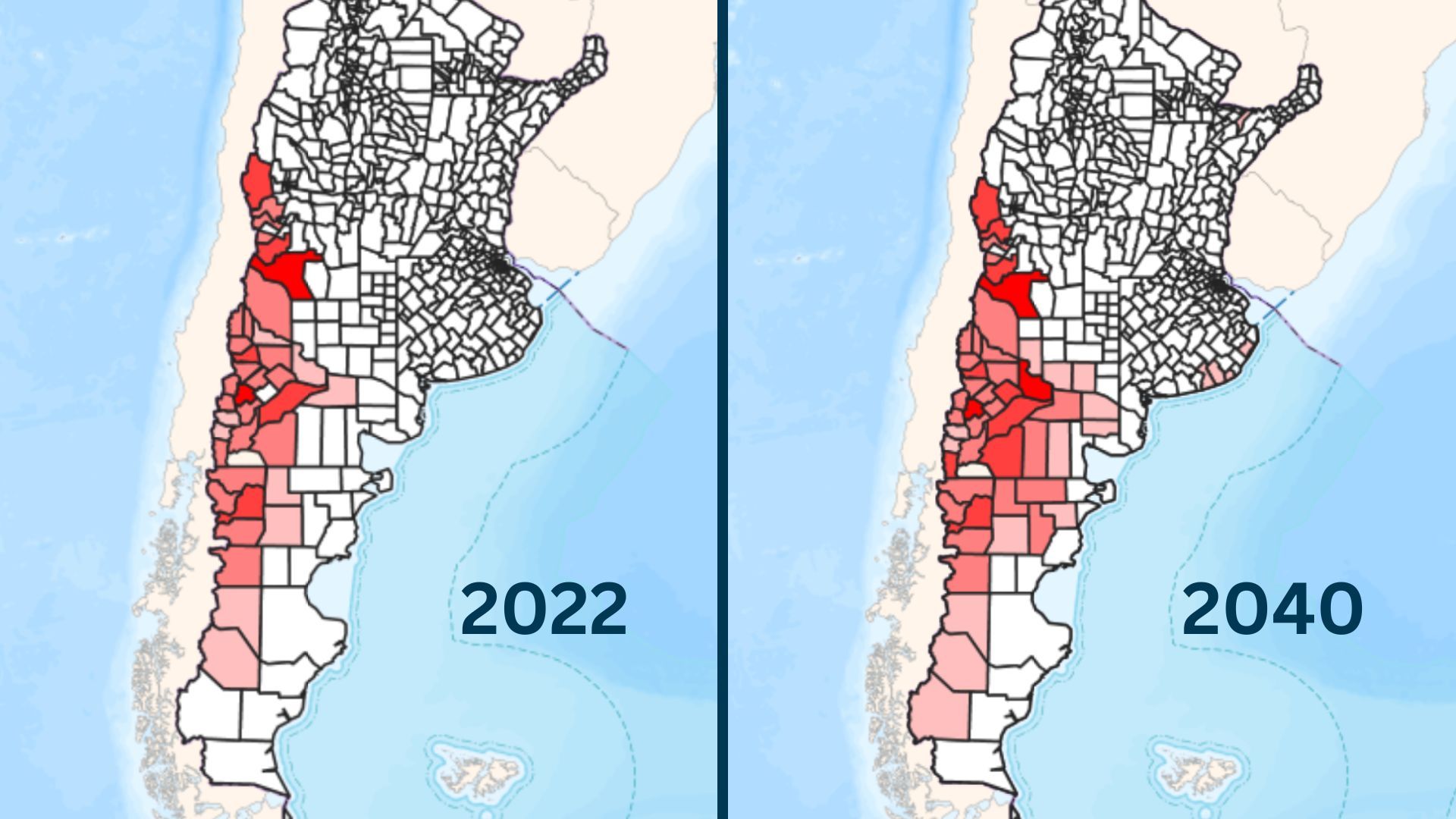
Climate change is likely to shift the distribution of virus-carrying rodents, potentially increasing the risk of spillover, when viruses make the jump from animals to humans.
This will likely expose populations to diseases that they haven’t encountered before and raise the risk of outbreaks, researchers warn.
With a case mortality rate of up to 50%, HCPS is considered one of the most severe forms of hantavirus disease, while the infections that strike in Europe and Asia have lower fatality rates.
Climate change is affecting rodent host populations
Scientists studying hantavirus risk in southern South America have so far identified 11 genotypes linked to human disease across 13 native rodent species, said Juan Diego Pinotti, a postdoctoral researcher for Argentina’s National Council of Research, based at the Institute of Animal Diversity and Ecology at the National University of Córdoba. Each strain of the virus has evolved within a specific rodent species, enabling that species to carry the virus while not falling sick from it.
The natural “reservoir” for Andes virus, the long-tailed pygmy rice rat (Oligoryzomys longicaudatus), typically lives in the humid forests and shrublands of the southern Andes in Chile and Argentina. The virus is spread to humans primarily through contact with the urine, feces, or saliva of an infected rodent.
Climate models predict that changing weather patterns over the next few decades may expand the long-tailed pygmy rice rat’s habitat eastward, toward Argentina’s Atlantic coast, where the vast majority of the country’s people live.
“More intensive surveillance and testing are needed across provinces, because the virus might be reaching new areas without us finding out,” Pinotti, who worked on the models, told Live Science.
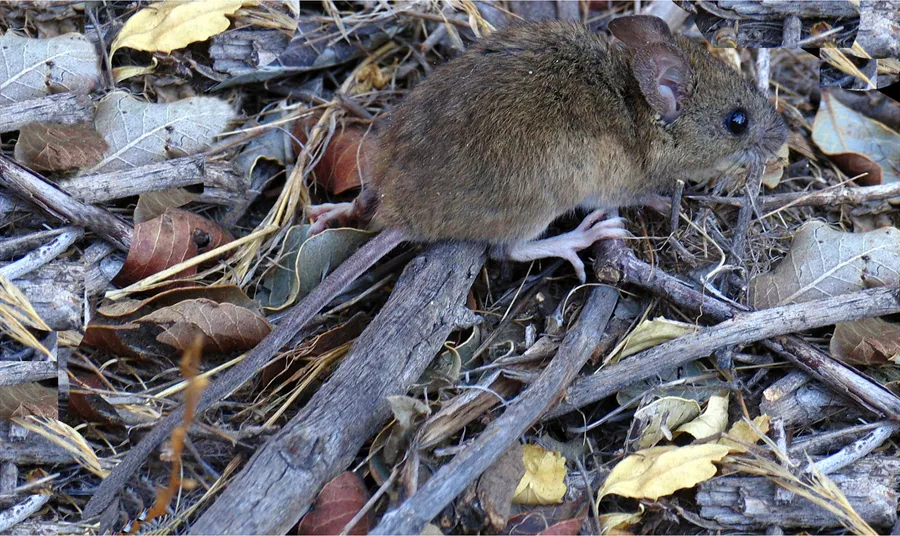
The long-tailed pygmy rice rat (Oligoryzomys longicaudatus) is the animal “reservoir” of the Andes virus.
El Niño-La Niña fluctuations may further reinforce this pattern. In central and southern Argentina, El Niño years usually bring increased rainfall, which stimulates vegetation growth, meaning rodents have access to abundant food sources and shelter, driving rapid population expansion.
“That in turn interacts with what the winters are like,” said Veronica Andreo, a researcher for Argentina’s National Council of Research, working at the Gulich Institute. “If the winter is more severe, fewer mice might survive. If it’s a bit milder, more mice can survive and pass on to the next generation.”
Beyond hantavirus: other viruses on the rise
Researchers used machine learning to map how climate projections, changing rodent populations, and shifts in people’s land use could alter the distribution and transmission of arenaviruses in South America over the next 20 to 40 years. They found that climate-induced shifts in temperature and precipitation, coupled with the expansion of agriculture, will likely increase spillover risk as viruses spread into new regions.
The researchers hope the models will help public health officials understand the need to prepare for outbreaks of these diseases as climate change drives more extreme weather patterns.
Always the most important thing is prevention — epidemiological surveillance and education of the population.
Juan Diego Pinotti, postdoctoral researcher for Argentina’s National Council of Research
“These are high impact diseases, but they are fairly neglected in terms of how much research is ongoing about them, or whether they are on the radar of public health officials,” said study lead author Pranav Kulkarni, a veterinary epidemiologist at the University of California, Davis (UC Davis) Weill School of Veterinary Medicine.
Notably, the Centers for Research in Emerging Infectious Diseases, part of the U.S. National Institutes of Health, would have been researching these diseases but was shuttered last year.
Continued surveillance is critical
As climate change reshapes disease risk, data gathering and surveillance will be crucial for improving outbreak preparedness. Better regional coordination and data sharing could help countries identify shifting hotspots earlier and build more effective public health responses, said Kulkarni.
“If we can come up with that sort of infrastructure, especially in countries which will probably be affected by this, then there would be more robust modeling, more accurate predictions, and a more informative way of creating health policy,” Kulkarni told Live Science.
More research is needed to fully understand the diversity of viral genotypes and rodent species that exist in South America’s southern cone, said Andreo. “We still need to understand how all the different reservoirs and viruses interact, and whether the viruses can jump from one reservoir to another,” Andreo told Live Science. Some New World hantaviruses, such as the Laguna Negra genotype and the Lechiguanas genotype, are known to have multiple reservoirs.
Additionally, two new hantavirus genotypes have been identified in Argentina in recent years, added Pinotti.
“Always the most important thing is prevention — epidemiological surveillance and education of the population,” Pinotti told Live Science. Yet, funding cuts to Argentina’s health and science sectors have jeopardized disease surveillance programs, research capacity, and the ability to carry out large-scale, long-term studies into zoonotic and vector-borne diseases.
“When these teams see their operational capacity reduced,” Andreo said, “the entire early warning network that makes it possible to detect outbreaks before they escalate is weakened.”
This article is for informational purposes only and is not meant to offer medical advice.
